Aglio Olio: 7 Flavorful Tips for Perfect Pasta Every Time
Exploring the Richness of Aglio Olio: A Culinary Delight
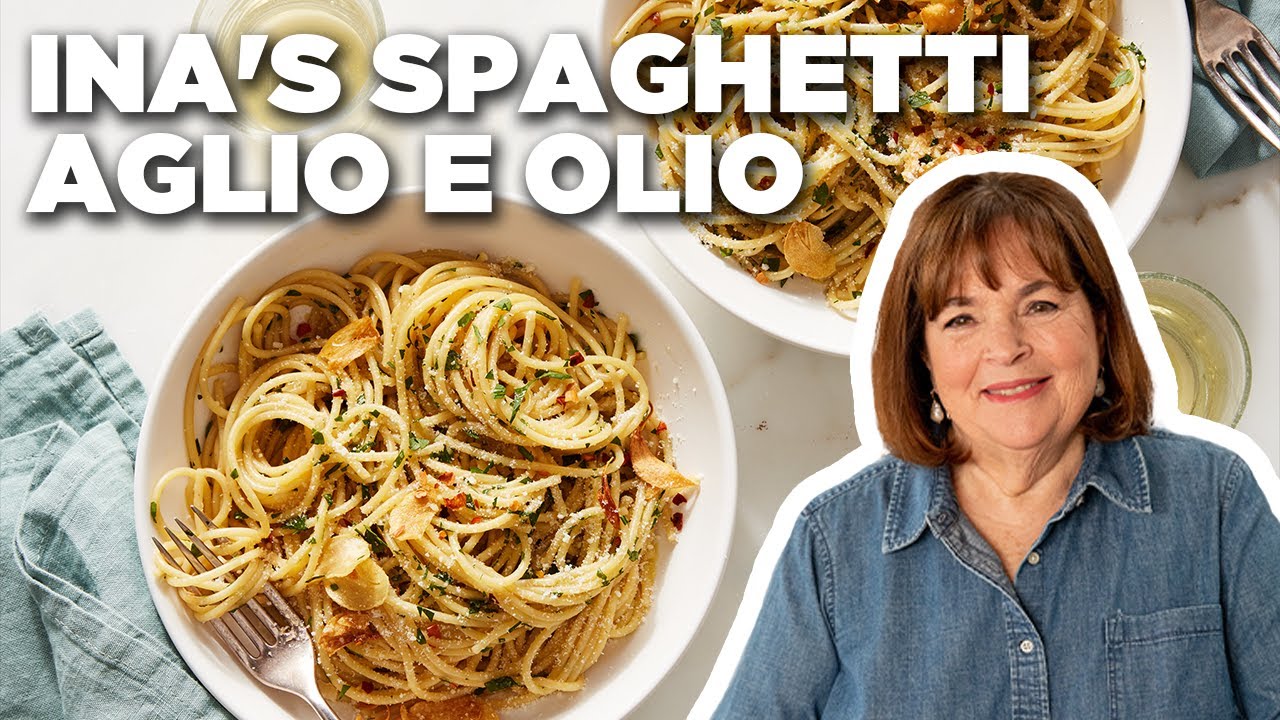
Have you ever craved a dish that is not just simple, but also bursting with flavor? Among the countless Italian pasta preparations, aglio olio stands out for its elegance and ease. This dish, which literally translates to “garlic and oil,” has been celebrated for centuries, lauded not only for its straightforward preparation but also for its rich taste and satisfying nature. 🍝
The Essence of Aglio Olio
The beauty of aglio olio lies in its minimal ingredient profile: just garlic, olive oil, and pasta. Yet, this simplicity allows for a depth of flavor that few other recipes can match. While other pasta dishes often require a long list of ingredients, aglio olio is refreshingly direct. The key lies in selecting high-quality components, particularly the olive oil, which serves as the foundation of this beloved dish.
Ingredients that Make Aglio Olio Shine
To bring your aglio olio to life, consider the following essential ingredients:
- Garlic: Fresh garlic is the star of the dish, providing aromatic depth. The art lies in sautéing it just enough to release those beautiful flavors without burning.
- Olive Oil: A good extra-virgin olive oil is crucial. Not only does it enrich the sauce, but it also enhances the overall health benefits of the dish by providing healthy fats.
- Pasta: Traditional choices include spaghetti or linguine. Opt for quality pasta, as it retains the sauce better.
- Parsley: Fresh flat-leaf parsley adds a delightful freshness that balances the dish’s rich flavors.
- Red Pepper Flakes: For those who enjoy a bit of heat, adding a pinch of red pepper flakes can elevate the flavor profile without overshadowing the garlic.
Simple Yet Sophisticated Cooking Methods
Cooking aglio olio involves a few fundamental steps that exemplify its elegance:

1. Boil the Pasta: Start by cooking your chosen pasta until al dente, which ensures it will absorb the flavors of the sauce without becoming mushy.
2. Sauté the Garlic: In a separate pan, heat a generous amount of olive oil over medium heat. Sauté thinly sliced garlic until golden but not burnt, as burnt garlic can create a bitter taste.
3. Combine with Pasta: Once the pasta is cooked, drain it (reserving some pasta water) and add it to the garlic oil mixture. Toss well to ensure the pasta is evenly coated, adding pasta water as needed to achieve the desired consistency.
4. Garnish and Serve: Finish by stirring in freshly chopped parsley and red pepper flakes. The final touch can include a sprinkle of grated Parmesan cheese, although traditional aglio olio typically doesn’t feature cheese.
How to Enhance Your Aglio Olio Experience
The versatility of aglio olio allows for various enhancements to elevate your dish further:
- Add Protein: Consider incorporating shrimp or chicken for a heartier meal. The subtle flavors of the garlic and oil meld beautifully with the savory notes of protein.
- Experiment with Vegetables: Sautéed seasonal vegetables, such as zucchini or asparagus, can add color and nutrition. They complement the dish while adding a vibrant touch.
- Use Specialty Oils: Drizzling a flavorful chili-infused oil or a touch of truffle oil right before serving can add depth to your aglio olio.
- Infused Olive Oils: Consider using infused olive oils, such as basil or lemon, to enhance the aromatic quality and flavor of the dish. This can transform a simple aglio olio into an exquisite culinary experience.
- Serve with Bread: Pairing aglio olio with fresh garlic bread allows the diner to enjoy every last drop of the flavorful oil.
- Incorporate Nuts: Toasted pine nuts or walnuts can add a delightful crunch and richness to the dish. They also provide an interesting textural contrast to the softness of the pasta.
- Garnish Creatively: Adding edible flowers or making a simple herb oil can provide a stunning visual presentation and freshness.
- Mix in Citrus: A squeeze of lemon or zest can brighten up the dish, enhancing the overall flavor without being overpowering.
These enhancements not only maintain the integrity of aglio olio but also invite new flavors and textures that can surprise and delight your palate. What you’ll discover next might surprise you…
Aglio Olio vs. Other Pasta Dishes
When compared to more complex dishes such as lasagna or carbonara, aglio olio offers distinct advantages:
Ease of Preparation: Unlike lasagna, which requires multiple layers and elements, aglio olio can be prepared in under 30 minutes, making it perfect for a quick weeknight meal or a last-minute dinner party solution.
Flavor Focus: While sauces like carbonara can be rich and heavy, aglio olio delivers a light yet satisfying flavor, opening the door for various pairings and sides.
Culinary Techniques to Perfect Aglio Olio
Here are some tips to enhance your skills in preparing aglio olio:
- Temperature Control: Keeping the heat at medium allows for optimal garlic sautéing; too high and it burns. A well-controlled temperature ensures perfect garlic flavor without bitterness.
- Timing of Additions: Adding your herbs only at the end preserves their flavor profile, enhancing the dish’s freshness.
- Pasta Quality: Use bronze-extruded pasta for a rougher texture, which better holds sauces. Explore options like bronze-extruded pasta to elevate your dish further.
Gastronomic History of Aglio Olio
The roots of aglio olio can be traced back to traditional Italian cuisine, particularly in Naples and surrounding regions. The dish encapsulates the Mediterranean’s bounty, showcasing its simplicity while exemplifying the rich flavors of garlic and olive oil. Historical mentions highlight its adaptability and popularity, especially among those who sought nourishing yet uncomplicated meals.
Presentation: Elevating Your Aglio Olio
The presentation of aglio olio can make a significant difference in how the dish is perceived. Serve it in a large, warm bowl, garnished generously with parsley and a drizzle of olive oil. You can also consider using beautiful serving utensils to enhance the dining experience. A well-set table with these simple touches elevates the casual nature of aglio olio to a dining occasion.
Practical Tools for Aglio Olio Preparation
Utilizing the right kitchen tools is essential for mastering aglio olio. Consider investing in:
- A Good Chef’s Knife: For slicing garlic evenly, ensuring even cooking. A top-notch knife will enhance your prep time and safety.
- Non-Stick Skillet: Ideal for sautéing garlic without sticking, which preserves its flavor and makes for easier cleanup.
- Pasta Pot: A large pot with a good strainer will allow you to cook pasta effectively and drain water easily.
- Microplane: For grating cheese or citrus zest, enhancing the flavor complexity of your aglio olio.
Final Thoughts on Enhancing Aglio Olio
As you delve into the world of aglio olio, you’ll discover not only recipes but a way to express your culinary creativity. The dish’s inherent simplicity enables every cook to personalize it, whether through the addition of protein, vegetables, or garnishes. By mastering the essentials of aglio olio and exploring various enhancements, you will elevate your cooking while impressing friends and family alike.
Next time you find yourself longing for a pasta dish, consider the charm of aglio olio. Its unmatched ease and potential for personalization make it a beloved choice in kitchens worldwide. From its rustic origins to modern interpretations, aglio olio continues to be a canvas for culinary innovation.
Preparing Delicious Aglio Olio
Have you ever wondered how a dish with merely a few simple ingredients can be transformed into a culinary masterpiece? 🌟 Aglio olio, a classic Italian pasta dish, epitomizes this concept. Combining garlic, olive oil, and pasta creates a dish that is not only rich in flavor but also remarkably easy to prepare. But that’s not all; let’s dive deeper into the enchanting world of aglio olio and explore its nuances, variations, and tips for elevating this beloved recipe.
The Essence of Aglio Olio
Aglio olio translates to “garlic and oil” in Italian, and that’s exactly what it is—simple, yet profoundly satisfying. The primary ingredients typically include:
- Spaghetti: The traditional pasta choice for this dish.
- Garlic: Sliced or minced, providing depth and flavor.
- Extra virgin olive oil: The base that carries the flavors.
- Red pepper flakes: For a hint of heat, customized to your preference.
- Parsley: Chopped for a fresh garnish.
Unlike other complex recipes that might involve a long cooking process or numerous ingredients, aglio olio demonstrates that simplicity can indeed yield delicious results. Its ease of preparation is a distinguishing factor that sets it apart from more elaborate dishes.
The Cooking Technique
The technique for preparing aglio olio is straightforward, yet it requires attention to ensure perfectly cooked pasta and garlic that is just the right amount of golden brown. Here’s how you can prepare it:
- Cook your spaghetti in salted boiling water until al dente, following the package instructions.
- While the pasta cooks, heat the extra virgin olive oil in a large pan over medium heat.
- Add the minced garlic to the oil once it’s hot, allowing it to sauté gently. Be careful not to let it burn—golden brown is the goal!
- Once the garlic has browned, add the red pepper flakes.
- Drain the pasta, reserving some of the pasta water.
- Combine the drained pasta with the garlic oil mixture, adding a small amount of reserved pasta water to achieve the desired consistency.
- Finish with a sprinkle of freshly chopped parsley and savor the simplicity of flavors!
Compared to more complicated pasta dishes, aglio olio stands out for its delightful balance of flavors achieved through this efficient cooking method. A well-executed aglio olio allows the quality of ingredients to shine through without overpowering the palate.
Enhancing Your Aglio Olio
There are numerous ways to elevate your aglio olio experience. Here are some ideas to consider:
- Substitute with Whole Wheat Pasta: For added fiber and nutrients.
- Incorporate lemon zest: A sprinkle of freshly grated lemon zest can brighten and enhance flavors unexpectedly.
- Use homemade garlic oil: Infusing olive oil with roasted garlic beforehand can intensify the garlic flavor without the risk of burning.
- Stir with a Pasta Fork: A slotted pasta fork can help combine the ingredients seamlessly.
- Add roasted vegetables: Bell peppers or cherry tomatoes roast beautifully, adding color and nutrition to the dish.
- Finish with Parmesan cheese: Adding a sprinkle of freshly grated cheese can enhance the overall flavor and add creaminess.
- Complement with grilled shrimp or chicken: Incorporating protein turns your aglio olio into a more filling meal.
- Explore new herbs: Try introducing different herbs, such as basil or thyme, to create a unique twist.
- Serve in warmed bowls: Warming the serving dishes can keep the pasta hotter longer and enhance the dining experience.
By integrating these ideas, you will not only improve the presentation and flavors of your aglio olio but also enjoy a more memorable dining experience.
Nutritional Benefits of Aglio Olio
Beyond its delightful taste and ease of preparation, aglio olio possesses significant nutritional benefits. The dish predominantly features olive oil, which is rich in healthy fats, particularly monounsaturated fats that can help improve heart health. Garlic, another key ingredient, has been linked to various health benefits, such as boosting the immune system and reducing blood pressure.
Compared to many creamy pasta dishes, aglio olio often contains fewer calories and saturated fats, making it a healthier choice while still delivering satisfaction. Additionally, by incorporating whole wheat pasta or adding vegetables and proteins, you can further enhance its nutritional profile.
Variations of Aglio Olio
What you’ll discover next might surprise you… Aglio olio is adaptable to numerous variations that cater to different tastes. Here are some exciting ideas:
- **Aglio Olio e Peperoncino**: The classic version featuring only garlic, oil, and chili flakes.
- **Aglio Olio with Anchovies**: Introducing anchovies adds an umami flavor that enriches the entire dish.
- **Seafood Aglio Olio**: Adding shrimp, squid, or clams creates an aromatic seafood delight.
- **Vegetable Aglio Olio**: Incorporate seasonal vegetables like zucchini or asparagus for extra nutrition.
These variations keep the dish exciting while honoring the original aglio olio essence. You can adjust the ingredients to play with flavor profiles that suit your palate, ensuring that every plate remains unique and delicious.
The Role of Quality Ingredients
The freshness and quality of your ingredients can dramatically influence the final flavor of your aglio olio. Always opt for high-quality extra virgin olive oil; its rich flavor is essential. Additionally, the garlic should be fresh to ensure its aromatic properties are maximized. Avoid pre-minced garlic, as its flavor diminishes over time.
Compared to using processed pasta sauces, preparing aglio olio from scratch allows you to control the depth of flavor and the healthfulness of the dish. Finding a reliable source of fresh Italian ingredients can be a wonderful way to enhance your cooking experience.
Tips for Perfect Aglio Olio
To ensure perfecting your aglio olio every time you make it, consider the following tips:
- Use salted water: Ensuring that the pasta water is well-salted enhances flavor through the cooking process.
- Timing is key: Add the garlic to the oil when the oil is hot but not smoking. Monitor closely to avoid burning.
- Save pasta water: Adding pasta water helps to create an emulsion, giving the dish a rich texture.
- Don’t skip garnishes: Fresh parsley or a sprinkle of grated cheese can elevate your dish visually and flavor-wise.
These small adjustments can make a significant difference in enhancing the overall experience of enjoying aglio olio.
The Cultural Significance of Aglio Olio
Within Italian culture, aglio olio represents the essence of *cucina povera*, or “poor kitchen,” highlighting a frugal approach that celebrates flavor without luxury ingredients. Its simplicity can be traced back to rustic roots, allowing for creative interpretations that honor its tradition.
Aglio olio has transcended its simple beginnings to become a beloved dish worldwide, symbolizing comfort and home-cooked goodness. Whether enjoyed in an Italian trattoria or prepared in your kitchen, its cultural significance is palpable in every bite. 🌍
Final Thoughts on Aglio Olio
As you embark on your culinary journey with aglio olio, remember that the beauty of this dish lies in its versatility. Embrace your creativity, experiment with flavors, and always return to the foundational elements that make it a classic. Happy cooking! 🍽️
Why Choose Aglio Olio for Your Next Meal?
Why Choose Aglio Olio for Your Next Meal?
Have you ever found yourself craving a simple yet delightful dish that offers depth of flavor with minimal ingredients? 🥄 Aglio Olio is the perfect answer to that culinary dilemma. Originating from the culinary traditions of Italy, this classic pasta dish highlights the harmony of three primary ingredients: garlic, olive oil, and pasta. What makes aglio olio particularly compelling is its ability to satisfy the palate without overwhelming it, creating a culinary experience that is both simple and elegant.
The Essence of Aglio Olio
Aglio Olio translates to “garlic and oil,” which succinctly encapsulates the essence of the dish. While there are numerous pasta recipes that involve heavy sauces or complicated cooking techniques, aglio olio embraces simplicity. This minimalist approach not only allows the flavors of the ingredients to shine but also makes it an accessible option for home cooks of all skill levels.
Unlike more complex dishes, where layers of flavor can sometimes distract from the primary ingredients, aglio olio achieves a perfect balance. Every bite delivers the robust flavor of garlic, complemented by the rich taste of high-quality olive oil, making it a staple in many Italian households. But that’s not all! The beauty of aglio olio lies in its versatility, allowing for various adaptations to suit personal taste preferences while still retaining its foundational identity.
Core Ingredients of Aglio Olio
The beauty of aglio olio is in its minimalism. The essential ingredients are:
- Spaghetti: The traditional pasta used, although other types like linguine can also work.
- Garlic: Fresh garlic is paramount for authentic flavor.
- Olive Oil: A good quality extra virgin olive oil elevates the dish.
- Red Pepper Flakes: For that slight kick, though it can be optional.
- Parsley: Freshly chopped parsley adds a burst of freshness.
Each of these ingredients contributes not only flavor but also health benefits. For instance, olive oil is rich in antioxidants and possesses anti-inflammatory properties, while garlic is known for its cardiovascular benefits. This juxtaposition of taste and nutrition makes aglio olio a wholesome choice for any meal.
Cooking Techniques for Maximum Flavor
Preparation of aglio olio is straightforward, making it an excellent dish for both beginners and seasoned cooks. The key steps involve:
- Cooking the Pasta: Start by bringing salted water to a boil and cook the spaghetti until al dente. This ensures the pasta remains firm and can adequately absorb flavors.
- Sautéing the Garlic: In a separate pan, heat the olive oil over medium-low heat. Adding minced garlic at this stage allows it to infuse the oil without burning, which could lead to bitterness.
- Combining: Once the pasta is cooked, reserve some pasta water. Mix the drained pasta with the infused oil and garlic, using the reserved water to achieve the desired consistency.
By mastering these techniques, you can achieve a flawless aglio olio that speaks volumes about Italian culinary traditions. 🥖
Enhancing the Flavor of Aglio Olio
Despite its simplicity, aglio olio offers ample opportunity for enhancement. Here are several ways to elevate your dish:
1. Experiment with Different Oils
For a unique twist, consider using flavored oils, such as chili oil, for a spicier take on aglio olio. This not only adds heat but also a depth of flavor that complements the garlic beautifully.
2. Incorporate Fresh Herbs
While parsley is traditional, other fresh herbs like basil or oregano can add distinct notes and aromas. Throw in some chopped basil just before serving to create a fresh and fragrant experience.
3. Add Proteins
For a heartier meal, consider adding grilled shrimp or chicken. Their unique flavors harmonize well with the garlic and olive oil, making it a satisfying option without compromising the dish’s integrity.
4. Use High-Quality Ingredients
The flavor profile of aglio olio heavily relies on the quality of its ingredients. Choosing a reputable brand of extra virgin olive oil is paramount. This not only enhances the dish but also elevates the overall dining experience.
5. Incorporate Lemon Zest
Adding lemon zest or a squeeze of lemon juice before serving brightens the dish while maintaining its simplicity. The citrus adds a refreshing note that balances the richness of the olive oil.
6. Cheeses to Consider
A sprinkle of fresh Parmigiano-Reggiano or Pecorino Romano can introduce a savory and nutty flavor, enhancing the overall experience. Ensure to use freshly grated cheese for the best results.
7. Toasted Breadcrumbs
For added texture, crispy toasted breadcrumbs can be sprinkled on top. Not only do they provide a pleasing crunch, but they also absorb some of the oil, creating a richer flavor profile.
8. Seasonal Vegetables
Incorporating seasonal vegetables such as zucchini or cherry tomatoes adds vibrancy. Sauté them lightly in the garlic oil prior to adding the pasta, creating a balanced and colorful dish.
These enhancements allow for personalization while respecting the core identity of aglio olio. With its adaptable nature, this dish retains its charm regardless of modifications.
Variations of Aglio Olio
While traditional aglio olio is undeniably delightful, exploring variations can transform the dish into something even more unique. Here are a few ideas to consider:
- Aglio Olio with Spinach: Incorporating sautéed spinach not only boosts nutrition but also adds a beautiful color contrast.
- Aglio Olio with Anchovies: Anchovies add a savory depth that complements the garlic perfectly, enhancing the umami notes of the pasta.
- Aglio Olio with Sun-Dried Tomatoes: These provide a sweet and tangy flavor, creating a delightful seasonal twist.
Each of these variations allows you to keep the soul of aglio olio intact while introducing new flavor dimensions. The adaptability of this recipe truly shines when experimenting with various ingredients.
Essential Tools for Perfecting Aglio Olio
While the ingredients create the flavor profile, certain tools can significantly improve the cooking process. Here are some essential utensils to keep in your kitchen:
1. Chef’s Knife
A sharp chef’s knife is essential for mincing garlic with precision, ensuring an even distribution of flavor in your dish.
2. Large Pot
A large pot is necessary for boiling pasta. It ensures that the pasta has enough room to move around, allowing it to cook evenly.
3. Skillet
A non-stick skillet is ideal for sautéing garlic and cooking proteins. The even heat distribution prevents burnt garlic and promotes a perfect sauté.
4. Pasta Tongs
Pasta tongs are perfect for easily transferring cooked pasta to your skillet without damage, ensuring you’re left with perfectly intact noodles.
5. Microplane
A microplane is useful for zesting lemons or grating cheese, offering a fine result that enhances the dish. Fine particles integrate better, intensifying flavors.
Equipped with the right tools, your journey with aglio olio becomes more efficient and enjoyable. 🥗 The quality of your preparation directly reflects the final dish.
The Health Benefits of Aglio Olio
Beyond its delightful taste, aglio olio presents numerous health benefits. This dish is not only satisfying but also promotes good health.
Since it’s made primarily with olive oil and garlic, aglio olio supports heart health through its high levels of unsaturated fats and antioxidants. Garlic is renowned for its ability to reduce blood pressure and improve cholesterol levels, making this dish a health-conscious choice.
The nutrition from olive oil and garlic, combined with the carbohydrates from pasta, creates a balanced meal that supports energy levels without excessive ingredients. This makes aglio olio an excellent option for those seeking vitality from their meals.
Pairing Wine with Aglio Olio
When it comes to pairing wine with aglio olio, you want to enhance the experience without overpowering the dish. A crisp white wine, such as Pinot Grigio or Sauvignon Blanc, complements the garlic and olive oil’s richness beautifully, creating a harmonious dining experience.
The acidity in these wines cuts through the fat, balancing the meal perfectly. For those who prefer red, a light Chianti can offer a contrasting profile that still respects the delicate flavor of aglio olio.
Pairing the right wine can transform your dinner into a dining experience, making a simple aglio olio meal feel gourmet.
Conclusion: The Allure of Aglio Olio
As you delve deeper into the world of aglio olio, its allure becomes undeniable. With its rich Italian heritage and simplicity, this dish opens the door to endless culinary possibilities while providing a wholesome dining experience. Whether you’re adding seasonal ingredients or enhancing flavors with herbs and spices, aglio olio remains a dish that celebrates the beauty of simplicity at its finest. Enjoy exploring the different facets of this remarkable recipe, and let your culinary creativity unfold!
