Amish vs Mennonite: 7 Key Differences You Should Know
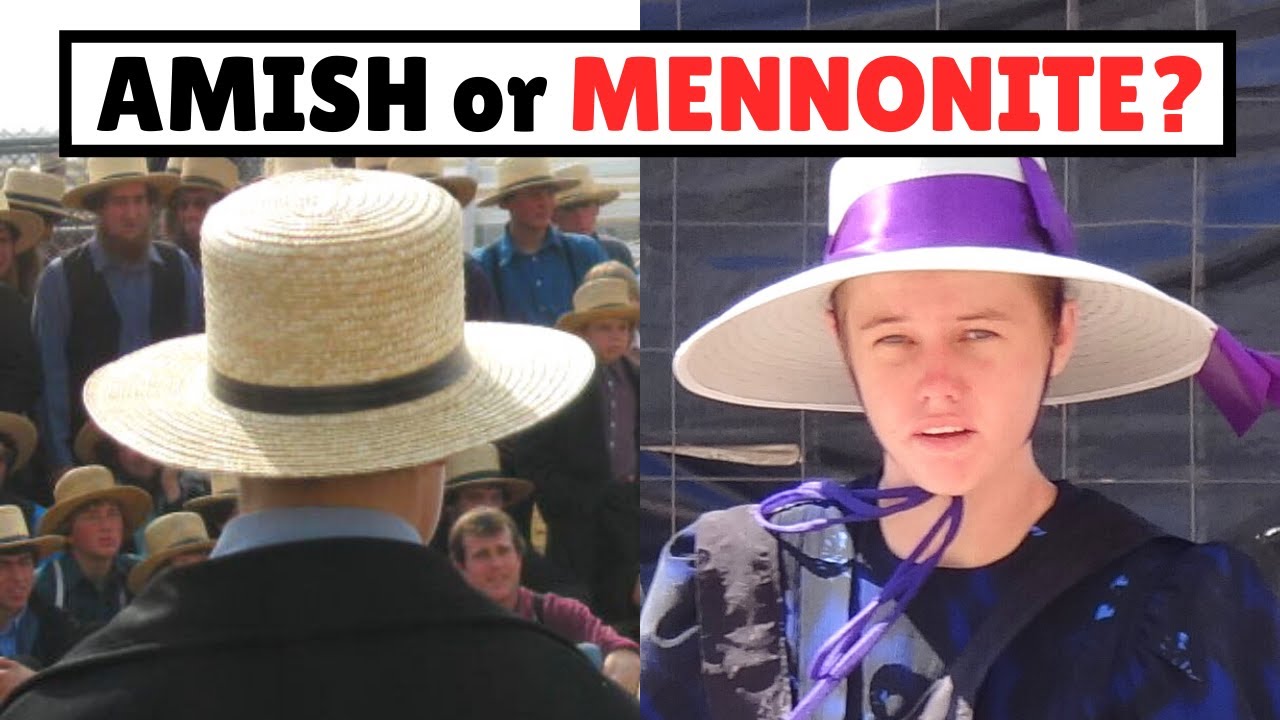
Amish vs Mennonite: Understanding the Differences
Amish vs Mennonite: Understanding the Differences
Have you ever wondered about the distinct lifestyles of the Amish and Mennonites? 🤔 While both are known for their unique communities and traditional values, they have inherent differences that set them apart. This comprehensive guide delves deep into the Amish vs Mennonite debate, exploring their beliefs, practices, and how they adapt to modern society.
Historical Background
The Amish and Mennonite communities originated from the Anabaptist movement in Europe during the 16th century. This movement sought to return to a more authentic Christian faith, emphasizing adult baptism and a life devoted to Jesus. The split between Amish and Mennonites came in the late 17th century, primarily due to differing views on modernization and church governance.
Amish Origins
The Amish community formed as a breakaway group led by Jakob Ammann. They sought a stricter interpretation of Christian teachings and emphasized separation from the world, which has led to a lifestyle reflecting simplicity and humility.
Mennonite Origins
Conversely, Mennonites, influenced by Menno Simons, maintained a more flexible approach. They are often more open to modern technologies and engagement with broader society while still upholding core Christian values.


Core Beliefs and Practices
Both groups share fundamental Christian beliefs but differ significantly in their interpretations and applications of these beliefs.
The Amish Perspective
The Amish adhere strictly to their interpretation of the Bible, which translates into their distinctive way of life. Some of their core beliefs include:
- Separation from Society: The Amish emphasize a lifestyle apart from the mainstream culture, often refusing conveniences like electricity and modern vehicles.
- Community and Family Values: They prioritize family and community, viewing them as fundamental to their faith and survival.
- Simple Living: Their emphasis on modesty extends to their dress and lifestyle choices, showcasing simplicity and functionality.
The Mennonite Perspective
Mennonites, while also valuing community and family, generally hold a more modern stance. Their core beliefs include:
- Engagement with Society: Mennonites often participate in societal and political processes, believing in the importance of being active citizens.
- Emphasis on Service: Many Mennonites are known for their humanitarian efforts and commitment to peace and service.
- Varied Practices: Unlike the Amish, practices vary widely among different Mennonite groups, leading to diverse dress codes and technology use.
Lifestyle Comparisons
Understanding the living conditions and day-to-day activities can illuminate further distinctions between Amish and Mennonite communities.
Amish Lifestyle
The Amish are famous for their traditional lifestyle, which includes:
- Transportation: Predominantly use horse-drawn buggies, which reflects their commitment to simplicity.
- Home and Farm: Farming is essential. They focus on organic methods, operating small family farms.
- Education: Amish communities typically run their own schools until the eighth grade and place high value on practical skills.
Mennonite Lifestyle
Mennonite communities often incorporate more mainstream influences:
- Transportation: Use modern cars and public transportation, which allows for greater mobility.
- Home and Work: Many Mennonites work in various professions, contributing to local economies while maintaining a commitment to family.
- Education: Mennonites generally pursue higher education and encourage a broader learning curriculum.
Beliefs About Modern Technology
Technology plays a pivotal role in differentiating Amish and Mennonite lifestyles. How each group integrates technology reflects their cultural priorities.
Technology in Amish Communities
Amish communities are known for their aversion to many forms of technology, especially those that promote individualism or non-community living. This includes:
- Banned Technologies: Items like televisions and computers are generally banned due to their potential to foster worldly distractions.
- Selective Adoption: Some technologies, like mobile phones, may be used, but often under strict community guidelines and for specific purposes.
Technology in Mennonite Communities
Mennonites display a more diverse relationship with technology, leading to innovative practices:
- Embracing Modern Tools: Many groups actively use technology for communication, business, and educational purposes.
- Digital Platforms: Some Mennonites maintain a present online, engaging in social media while emphasizing responsible usage.
Complementary Tools with Amish and Mennonite Practices
Combining modern tools with the principles of Amish vs Mennonite can enhance daily life, making tasks easier and more efficient. Here are ten actionable ideas to consider:
- Organic Farming Tools: Equip your farm with tools that align with Amish agricultural techniques. Consider resources like RealTree for insights on sustainable farming.
- Community Collaboration Apps: Use platforms like Slack to enhance communication within large family or community gatherings.
- Health and Wellness Programs: Incorporate fitness applications to track physical health in line with Mennonite community values focused on stronger bodies.
- Traditional Craft Workshops: Leverage online resources like Etsy to find workshops that teach traditional crafts practiced within either culture.
- Shared Resources for Child Education: Organize community learning circles that blend Amish teaching methods with modern educational resources.
- Environmental Sustainability Tools: Use eco-friendly apps like Think Dirty to select sustainable products in line with Amish values.
- Collaboration with Local Farmers: Encourage partnerships with local Mennonite farms to source products that align with both community values.
- Virtual Church Services: Adopt multimedia tools that allow broader access to church teachings, enhancing community engagement.
- Seasonal Education Programs: Create platforms for seasonal crafts or classes focused on traditional skills unique to each group.
- Online Community Building: Build a digital presence that respects traditional values while fostering wider community engagement.
Complementary Tool Breakdown
1. Community Collaboration Apps
- Enhances communication within Amish and Mennonite communities by connecting members easily.
- Facilitates shared activities and planning events.
- Promotes the sharing of resources and responsibilities.
- Encourages collective decision-making aligned with community values.
2. Shared Resources for Child Education
- Utilizes both traditional and modern educational resources for holistic learning experiences.
- Encourages community-led initiatives that instill values from both cultures.
- Fosters mentorship opportunities among the different generations.
- Ensures that educational practices remain relevant and engaging for children.
Conclusion: The Impacts and Influence of Amish vs Mennonite
The debate between Amish vs Mennonite is a rich exploration of distinct beliefs, lifestyles, and values. Understanding their differences sheds light on their adaptation to modern challenges and the constant balancing of tradition and progress. As these communities navigate their paths, they continue to inspire the world with their unique approaches to faith, family, and community life.
For further insights, you may explore the following resources:
Common Misconceptions About the Amish and Mennonites
Amish vs Mennonite: Exploring the Differences
Have you ever wondered about the differences and similarities between the Amish and Mennonites? 🤔 Both groups share roots in the Anabaptist movement but exhibit distinct lifestyles, beliefs, and practices. In this article, we will delve deep into the historical background, lifestyle choices, religious beliefs, and modern adaptations of these two fascinating communities.
Historical Background
The origins of the Amish and Mennonites trace back to the 16th-century Protestant Reformation. While they both emerged from the same Anabaptist roots, key events in history shaped their paths in different ways.
- The Mennonites were named after Menno Simons, a leader who emphasizes baptism and pacifism.
- The Amish, established by Jacob Ammann, focused on separation from mainstream society.
Key Historical Events
Understanding the milestones in their history helps clarify their current practices. For example:
- 16th Century: The Anabaptist movement begins, advocating for adult baptism.
- 1693: The Amish movement diverges from the Mennonites, establishing its distinct community rules.
- 20th Century: Both groups face modern challenges, leading to adaptations that shape their present-day lifestyles.
Beliefs and Values
At the core of both the Amish and Mennonite communities lie their religious convictions, though they express them differently.
Amish Beliefs
Amish communities emphasize a literal interpretation of the Bible and prioritize a lifestyle of simplicity and humility. They discourage technology and prefer to maintain isolation from modern society. The central tenets include:
- Separation from the World: A central theme in Amish life is to remain distinct from worldly influences.
- Community and Family: They place a strong emphasis on family values and community support.
Mennonite Beliefs
Mennonites, while also valuing community, tend to be more adaptable to modernity. Some key beliefs include:
- Peace and Nonviolence: A commitment to peacekeeping and nonviolent practices is pivotal.
- Engagement with Society: Unlike the Amish, many Mennonites are integrated into broader society while maintaining their faith-based values.
Lifestyles: Daily Practices
The daily lives of the Amish and Mennonites reflect their values and beliefs, manifesting in several practical ways.
Amish Lifestyle
The Amish are known for their traditional lifestyle. Here are some key practices:
- Clothing: Simple, homemade garments, often in solid colors, that reflect their values.
- Transportation: Predominantly use horse-drawn buggies and avoid cars to maintain separateness.
- Technology: They shun modern technology, opting for simpler tools that preserve their way of life.
Mennonite Lifestyle
Mennonite lifestyles can vary widely, with some communities embracing modern conveniences. Key distinctions include:
- Clothing: Generally modest but allows for contemporary styles while maintaining simplicity.
- Transportation: Most Mennonites use cars and other modern vehicles, integrating with society.
- Technology Use: More acceptance of technology in daily life, depending on the community.
Community Structure
Both the Amish and Mennonites live in community-oriented structures but differ in their governance and relationships with each other.
Amish Community Structure
Amish communities are organized around a strong local church, where decisions follow a consensus model. Their leaders, known as bishops, play a critical role in maintaining the community’s norms.
Mennonite Community Structure
Mennonite congregations can range from rural to urban settings and often have a more defined bureaucratic structure that allows for broader engagement in societal matters.
Education
Education is another area where Amish and Mennonites significantly diverge.
Amish Education
Amish children typically attend local one-room schools until the eighth grade, focusing on practical skills rather than academic achievement. Social and moral education takes precedence.
Mennonite Education
Mennonites often pursue higher education, with many attending public or private institutions, emphasizing scholarly pursuits.
Complementary Tools for Exploring Amish and Mennonite Cultures
To enrich your understanding of Amish and Mennonite lifestyles, consider these complementary tools and resources that can deepen your insights:
1. Books and Documentaries
Books like “The Amish” by Donald B. Kraybill, along with documentaries such as “The Amish: Shunned,” provide in-depth perspectives on both communities.
2. Cultural Tours
Consider exploring local tours within Amish and Mennonite communities. Many organizations offer guided experiences that highlight their way of life. Look for reputable options on websites like Visit PA: Amish Country.
- Authentic Experience: Engage directly with community members for a true insight.
- Local Crafts: Discover handmade goods and learn about traditional methods.
- Food Culture: Savor traditional meals and learn about culinary practices.
- Historical Context: Guides often provide rich historical narratives, enhancing understanding.
3. Online Forums and Communities
Participating in online communities like Reddit’s r/Amish can provide varied perspectives and personal stories from those who have interacted with these communities.
4. Workshops on Traditional Crafts
Engage in workshops that focus on traditional Amish crafts, such as woodworking or quilting. These experiences often maximize appreciation of their methodologies.
5. Online Courses
Consider taking online courses on cultural anthropology or religious studies that cover Anabaptist traditions, often found on platforms like Coursera.
6. Agricultural Experiences
Participating in agricultural programs or volunteering on farms within these communities can provide practical insights into their lifestyles.
7. Social Media Engagement
Follow social media accounts that discuss Amish and Mennonite life, which often showcase day-to-day activities and community events.
8. Local Resource Centers
Visiting local museums or cultural resource centers can further educate and provide tangible evidence of their histories. Many areas have museums dedicated to storytelling about Amish and Mennonite life.
- Educational Resources: Access extensive libraries and archives of community records.
- Cultural Exhibits: Explore artifacts and exhibitions that illustrate their historical context.
- Workshops: Participate in educational programs that include hands-on experiences.
- Networking Opportunities: Engage with experts and historians who specialize in Anabaptist studies.
9. Local Cuisine Tastings
Taste testing traditional Amish and Mennonite meals at local eateries that focus on farm-to-table practices can deepen your appreciation of their culinary heritage.
10. Community Events and Fairs
Attending local fairs or festivals can be a delightful way to engage with both communities while enjoying their crafts, food, and traditions.
The Role of Technology in Amish and Mennonite Life
While technology is often shunned by the Amish, the Mennonites embrace it in a manner that blends tradition with modernity. Understanding this difference can clarify why the Amish remain markedly distinct in their adoption of tools compared to the Mennonites.
Amish Approach to Technology
The Amish typically limit their use of technology to maintain community integrity. For them, the reliance on horse-drawn buggies and traditional farming methods serves to strengthen familial bonds.
Mennonite Approach to Technology
Mennonites view technology as a necessary tool that can serve their community in positive ways. They often use it for educational and communicative purposes, ensuring that it enhances rather than detracts from their values.
Conclusion: Understanding the Distinctions
In conclusion, while both the Amish and Mennonites share a foundation in the Anabaptist tradition, they diverge in beliefs, practices, and lifestyle choices. By exploring their differences thoughtfully, we can appreciate the rich cultural tapestry that makes up their communities. With tools that complement the Amish and Mennonite experience, you can enhance your understanding, whether through education, immersion, or engagement. So, the next time you encounter their communities, you’ll have profound insights into the threads that connect and separate them.
For further reading, you can explore the practices of Amish culture and get to know more about the Mennonite traditions.
Conclusion of the Discourse: Significance of Understanding
Amish vs Mennonite: A Comprehensive Comparison
What sets apart the Amish and Mennonite communities? 🤔 These two groups, rooted in similar Christian traditions, have distinct cultural practices and lifestyles. Understanding their differences can enrich your knowledge of American religious diversity and community living.
Historical Background of the Amish and Mennonite Communities
The Amish and Mennonites both originated from the Anabaptist movement in the 16th century. However, their historical paths diverged significantly. The Amish were primarily influenced by Jacob Ammann in the late 17th century, leading to a more conservative outlook, while Mennonites have a broader spectrum of beliefs and practices.
Origins of the Amish
The Amish people settled in North America in the early 18th century, primarily in Pennsylvania. Their retreat from mainstream society emphasizes a commitment to simplicity, humility, and community life, leading them to reject many modern technologies.
Roots of the Mennonite Faith
Mennonites also immigrated to North America around the same time but generally embrace more modern technologies and lifestyles. They focus on peace, social justice, and community service, reflecting a more progressive interpretation of their beliefs.
Core Beliefs and Practices
Both the Amish and Mennonite communities uphold similar core beliefs such as adult baptism, nonviolence, and a strong emphasis on community. However, the interpretation and application of these beliefs vary.
Amish Beliefs and Practices
- Separation from the World: The Amish believe in living separately from modern society to maintain their religious values.
- Humility and Simplicity: Their lifestyle is marked by simplicity in dress, technology, and daily activities.
- Community Orientation: Community is central; they work closely together and support each other in times of need.
Mennonite Beliefs and Practices
- Engagement with Society: Mennonites often engage more actively with the outside world, participating in social justice issues.
- Diverse Worship Styles: Their worship services can vary widely, accommodating a range of styles from traditional to contemporary.
- Focus on Service: Giving back to the community through service is a strong value in Mennonite teachings.
Cultural Differences
The cultural distinctions between the two groups are profound. While both maintain a strong sense of community, the ways in which they express and preserve that community are markedly different.
Dress Codes
Amish attire is often uniformly plain, consisting of simple, functional clothes that serve practical purposes. On the other hand, Mennonites may wear plain clothes as well, but some embrace more contemporary fashion while still adhering to modesty.
Technology
Amish communities largely reject modern technology, whereas many Mennonites find ways to integrate technology into their lives, like using tractors for farming, which enhances productivity without compromising their beliefs.
Transportation Practices
Transportation methods are also different between the groups. The Amish predominantly use horse-drawn buggies, which represent their commitment to traditionalism. Conversely, Mennonites generally use cars and trucks, allowing for easier access to the broader community.
Community Structures
Understanding the community structure of each group reveals how they function socially. The Amish prefer to maintain a close-knit community focused on mutual aid. Mennonite communities, while also supportive, may have a broader engagement with other community members, including non-Mennonites.
Community Life Among the Amish
- Mutual Aid: The Amish support each other through communal work, especially in times of personal struggle.
- Business Practices: Many Amish run family-owned businesses that serve both their community and the wider public.
- Education: Education is typically limited to eighth grade, focusing on practical skills relevant to their lifestyle.
Mennonite Community Engagement
- Community Service: Mennonites frequently participate in service projects that benefit their local and global community.
- Education: Many Mennonite families place a higher emphasis on formal education, sending their children to various institutions.
- Business Innovation: Mennonites often embrace modern business practices, including technology integration.
Social Interactions and Family Life
Family is central to both communities, but the way family life is structured can differ significantly. The Amish typically have larger families and a strong emphasis on family roles and hierarchy.
Family Dynamics in Amish Culture
In Amish families, traditional roles are usually maintained. Men typically handle farming and external affairs, while women manage the home and children’s education. Children are taught the values of hard work and community from a young age.
Mennonite Family Structures
Mennonites often adopt more egalitarian family structures where men and women can share responsibilities. Children may have more freedom in choosing their paths, including educational and career options.
Education Approaches: Amish vs. Mennonite
The education systems in both communities reflect their cultural values and beliefs. The Amish prioritize basic education with a focus on practical skills, while Mennonites may pursue higher education and diverse academic disciplines.
Amish Educational Systems
- Limited Formal Education: Amish students typically attend one-room schools until the eighth grade.
- Focus on Practical Skills: Lessons emphasize vocational training relevant to their lifestyle.
- Religious Instruction: Curriculum is heavily intertwined with religious teachings.
Mennonite Educational Methods
- Diverse Educational Opportunities: Mennonite families often support education beyond high school, including college.
- Variety in Teaching Styles: Classroom settings might differ widely depending on the congregation’s beliefs.
- Encouragement of Critical Thinking: Mennonites tend to instill a sense of inquiry and discussion in their education systems.
Complementary Tools to Enhance Amish vs. Mennonite Understanding
Understanding the nuances of Amish vs. Mennonite life can be enhanced through various tools and resources. Here are some suggestions on how to deepen your appreciation of both communities.
- Documentaries: View documentaries focused on Amish and Mennonite life to visually capture their lifestyle. Check out “American Hollow” for an engaging perspective.
- Books on Anabaptist History: Reading books on the Anabaptist movement can provide context. Look for “The Anabaptist Story” for foundational knowledge.
- Cooking Classes: Explore traditional Amish and Mennonite recipes through cooking classes, bringing their culinary traditions into your home.
- Online Forums: Join online forums or communities discussing these groups to engage in meaningful conversations.
- Local Tours: Participate in local tours that focus on Amish and Mennonite regions to experience their community life firsthand.
- Photography Books: Books like “Amish Life” showcase the visual aspects of their culture through stunning photography.
- Social Media Groups: Follow social media pages dedicated to Amish and Mennonite lifestyles to stay updated and connect with enthusiasts.
- Research Articles: Access scholarly articles that provide deeper insights into the practices, beliefs, and lifestyles of these communities.
- Workshops or Craft Fairs: Participate in workshops or fairs to learn about traditional crafts and trades, experiencing their culture firsthand.
- Language Resources: Equip yourself with resources on Pennsylvania Dutch or other dialects to understand communications better.
Detailed Insights on Suggested Tools
Books on Anabaptist History
- Foundational Knowledge: These books offer insight into the origins and evolution of both communities.
- Contextual Understanding: Helps understand the theological differences that shape daily lives.
- Rich Illustrations: Many offer visual elements that convey the essence of the communities.
- Recommended Readings: Some texts include suggested additional readings for deeper exploration.
Workshops or Craft Fairs
- Hands-on Experience: Engage in crafts that are part of the Amish or Mennonite tradition, enriching your cultural understanding.
- Community Interaction: Meet locals and learn from them directly, enhancing your contextual knowledge.
- Buying Local Crafts: Support their economy by purchasing handmade goods while enjoying cultural authenticity.
- Food and Fun: Enjoy traditional foods and festivities that accompany these events.
Final Thoughts on Amish vs. Mennonite
Understanding the Amish vs. Mennonite communities provides valuable insights into their unique cultures and practices. Each group offers distinct advantages, but both reflect rich traditions that have evolved over centuries. By appreciating these differences and exploring how they complement one another, you can gain a deeper respect for their ways of life.
This comprehensive exploration of Amish and Mennonite cultures has shed light on their commonalities and divergences. Engaging with both communities offers rich opportunities for understanding diverse worldviews and religious practices.
