Who Wrote the Book of Psalms? 7 Key Authors Revealed
Who Wrote the Book of Psalms?
📜 The Book of Psalms is a timeless collection of sacred songs and hymns that hold great religious significance for many. But who penned these beautiful verses? The authorship of the Book of Psalms is attributed to a variety of figures throughout its chapters, with some of the most prominent contributors being King David, Asaph, and the Sons of Korah. In this article, we will explore this diverse authorship and what it means for the interpretation and significance of these ancient writings.
The Contributions of King David
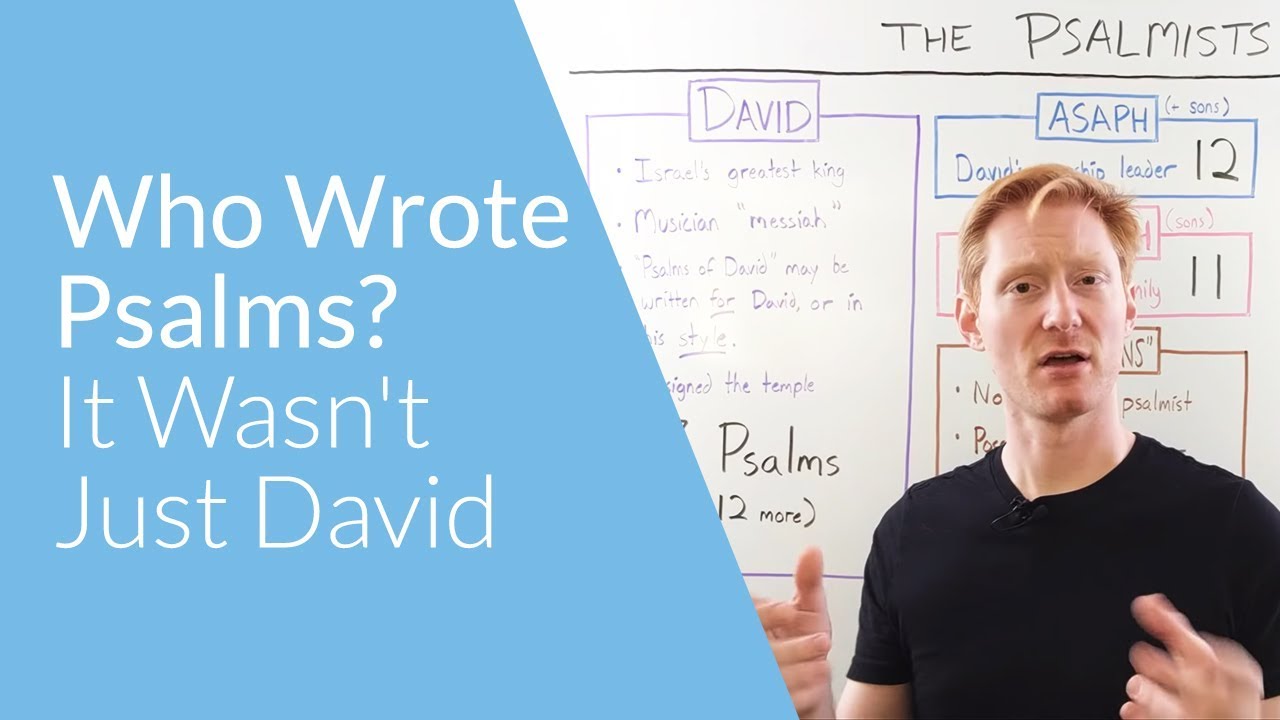
King David is perhaps the most well-known author of the Psalms, with many scholars attributing at least 73 of the 150 Psalms directly to him. David, famous for his poetic talent, was a skilled musician and often expressed his thoughts and feelings through his compositions. His intimate relationship with God is evident in the heartfelt lyrics he penned, which touch upon themes of despair, joy, and divine love. The depth of emotion in these Psalms makes them relatable across generations.
Identifying Other Contributors
While David played a significant role, he was not alone in his contributions. Several other figures are credited with writing or compiling Psalms. This includes:
- Asaph: A Levite singer and worship leader in David’s court. He is credited with 12 Psalms, notably Psalms 50 and 73-83.
- The Sons of Korah: This group of Levitical singers contributed at least 11 Psalms, expressing themes of worship and reflection.
- Solomon: David’s son, believed to have authored Psalm 72 and possibly Psalm 127, further deepening the biblical narrative.
- The Anonymous Authors: Some Psalms remain unattributed, showcasing the collective nature of worship in ancient Israel.
Psalms’ Themes and Messages
The Book of Psalms serves various purposes within the religious community, from personal reflection to communal worship. Key themes include:


- Worship and Praise: Many Psalms, like Psalm 150, focus on glorifying God and celebrating His majesty.
- Lamentation: Several Psalms, such as Psalm 22, express sorrow and seek divine intervention during times of distress.
- Thanksgiving: Other Psalms give thanks for God’s blessings, emphasizing gratitude in worship.
Exploring the Historical Context
The historical context of the Psalms plays a vital role in understanding their messages. Many Psalms were written during monumental events in Israel’s history, providing insight into the cultural and religious practices of ancient Israel. For instance, David’s Psalms often reflect the struggles of his reign, such as fleeing from King Saul or dealing with personal sin. Understanding these elements can enhance one’s appreciation of the text.
The Role of the Psalms in Worship
The Psalms have deeply influenced both personal devotion and corporate worship across various religious traditions. Many hymns sung in churches today are adaptations of psalms, demonstrating their enduring impact. Compared to modern worship music, the Psalms offer a direct connection to the historical roots of faith, allowing worshippers to engage both emotionally and spiritually.
Combining the Psalms With Modern Tools
By using the Book of Psalms alongside various tools, individuals can deepen their understanding and appreciation of its messages. Here are ten ideas on how to enhance your study experience:
- Bible Study Apps: Apps such as YouVersion and Olive Tree allow for deeper exploration of the Psalms, offering commentaries and parallel translations.
- Psalms Playlists: Create a playlist of worship songs that draw inspiration from the Psalms to meditate on their messages.
- Commentaries and Study Guides: Use resources like the Psalms Commentaries to gain scholarly insights.
- Group Discussion: Organize group meetings where members can discuss their interpretations and applications of specific Psalms.
- Meditation Tools: Apps like Insight Timer can help guide meditation practices focused on particular Psalms.
- Artistic Expression: Engage in drawing or journaling inspired by the themes of specific psalms.
- Online Courses: Enroll in courses that focus on the study and interpretation of Psalms, enhancing your understanding.
- Sermon Resources: Utilize sermon notes or resources based on Psalms to enrich personal preaching or teaching.
- Prayer Books: Use books that incorporate Psalms into daily prayers to interweave biblical content into your prayer life.
- Social Media Sharing: Post daily verses from the Psalms on social media platforms to engage with others in reflective discussions.
Deep Dive Into #2: Psalms Playlists
Creating a Psalms Playlist is an innovative way to integrate these hymns into daily life.
- Emotional Connection: Music can trigger emotional connections, enhancing your understanding of psalm themes.
- Accessible Worship: Easily access worship songs inspired by Psalms anytime.
- Variety of Interpretations: Discover different musical styles, showcasing various interpretations of the same psalm.
- Community Engagement: Share your playlist with others as a communal way to reflect on the Psalms together.
Exploring More About the Psalms
To better understand the significance of the authorship of the Book of Psalms, consider diving into additional content. For instance, Bible Gateway provides access to various translations and resources. This can further enrich one’s understanding of these ancient texts.
The Literary Style of the Psalms
The Psalms exhibit a unique literary style, characterized by parallelism and vivid imagery. The use of poetic devices enhances their emotional and spiritual messaging. By juxtaposing ideas and executing rhythmic patterns, the Psalms create an artful connection to their themes.
Interestingly, unlike contemporary poetry, which may rely on intricate forms, Psalms focus on accessibility to allow worshippers of all backgrounds to connect with the text. This quality makes them timeless and relevant for today’s audience.
Why The Book of Psalms Remains Relevant
Despite its ancient origins, the Book of Psalms continues to resonate with modern readers. The emotional spectrum found within its verses allows individuals to find solace, hope, and guidance. The adaptability of its themes means anyone can relate to the struggles and joys articulated, bridging the gap between the distant past and contemporary life.
FAQ About the Book of Psalms
Curious about its authors or use in modern faith? Here are some FAQs that might enlighten you:
Who wrote most of the Psalms?
Most scholars attribute Psalm authorship primarily to King David, with significant contributions from Asaph and the Sons of Korah.
How can I study the Psalms effectively?
Utilizing apps, commentaries, and engaging in discussions can provide a well-rounded study approach to the Psalms.
What are some popular Psalms for worship?
Psalms such as 23, 46, and 91 are frequently used in worship settings for their comforting messages.
Modern Adaptations of the Psalms
The influence of the Book of Psalms can be seen in modern literature, music, and other forms of artistic expression. Many musicians draw inspiration from particular psalms, crafting songs that resonate with their themes, making the message applicable for contemporary audiences.
What you’ll discover next may surprise you: the enduring legacy of the Psalms can be felt in various cultural expressions today, reflecting the universality of their messages.
How to Incorporate Psalms into Daily Life
Incorporating the teachings of the Psalms into daily life can take many forms. Engage with them during quiet time, allowing the text to shape your thoughts and prayers, or recite selected verses throughout the day for meditation and reflection. The versatility of the Psalms can enhance personal and communal worship experiences.
Final Thoughts on the Book of Psalms
The Book of Psalms remains a significant compilation of spiritual truths and expressions of faith. Its diverse authorship not only highlights the communal aspect of worship but also encourages individual reflection on the nature of divine connection. Embrace these ancient writings, allowing them to inspire your understanding of spirituality, worship, and personal connection with the divine.
Who Wrote the Book of Psalms? 🕊️
Have you ever pondered the origins of the beloved hymns and prayers found in the Book of Psalms? This collection, which holds a unique place in both Jewish and Christian traditions, is rich with poetic expressions of faith, lament, praise, and worship. Understanding who wrote the Book of Psalms can deepen your appreciation for these profound works. Let’s dive into the authors and the fascinating history behind their creation!
David: The Primary Contributor
King David is often recognized as the principal author of the Book of Psalms, credited with composing around half of its 150 chapters. His personal experiences, from shepherding to kingship, influenced his writings profoundly. David’s psalms express a range of emotions, reflecting his gratitude, fear, and ultimate trust in God. Examples such as Psalm 23 encapsulate his intimate relationship with the Divine.
Psalms of David
Among the psalms attributed to David are:
- Psalm 23: A declaration of faith about God’s guidance through life’s challenges.
- Psalm 51: A profound expression of repentance after his sin with Bathsheba.
- Psalm 139: A meditation on God’s omnipresence and knowledge.
These works showcase not only David’s literary skill but also his heartfelt relationship with God. By employing prayer and music, David connected with his people and provided a legacy that continues to inspire.
Other Notable Contributors
While David stands out, he is not the only author of the Psalms. Multiple figures contributed to this rich anthology.
Moses
Interestingly, Moses is credited with writing Psalm 90, which is a meditation on the transience of human life and the grandeur of God’s eternity. His psalm serves as a sobering reminder of mortality and our reliance on God’s mercy.
Asaph
Asaph, a prominent musician during David’s rule, contributed twelve psalms (73-83). These narratives often address communal grief and national struggles, reflecting the Israelite history and their covenant with God.
The Sons of Korah
Collectively, the Sons of Korah composed several psalms (42-49, 84-88) that highlight themes of longing for God and the beauty of worship. Their works convey a deep yearning and often evoke the church’s collective experience.
The Unknown Authors and Their Influence
Many psalms remain anonymous, showcasing the community’s voice rather than individual authorship. These works resonate across time, reflecting the shared human experience. Examples of these include:
- Psalm 46: Celebrating God as a refuge and strength.
- Psalm 100: An invitation to joyful worship.
These psalms invite reflection and connection on a level that resonates across generations.
Comparing the Psalms to Other Literary Forms
When considering the immense literary value of the Book of Psalms, it is beneficial to compare it with other poetic and lyrical forms. For example, unlike secular poetry, which may focus on personal experience, the Psalms weave together both personal and communal expressions of faith, thus enriching their impact.
Character and Structure
The structure of psalms often differs from contemporary poetry. Many utilize parallelism, a stylistic device that emphasizes and enhances ideas through repetition and variation. This method not only aids memorization but also deepens the emotional impact on the reader or listener.
Complementary Tools and Services to Enhance Your Engagement
By combining the insights from the Book of Psalms with various complementary tools, you can enhance your engagement with these sacred texts. Here are some practical applications:
1. Bible Study Apps
Using apps like YouVersion allows for easy access to different translations and study resources, helping you dive deeper into the psalms.
2. Online Commentaries
Accessing scholarly perspectives through platforms like Bible Gateway Commentaries can add richness to its interpretation.
- Variety of perspectives on each psalm.
- In-depth historical context and analysis.
- Application suggestions for contemporary life.
- Available for various denominations and beliefs.
3. Devotional Materials
Incorporating devotional books that focus on the Psalms encourages regular reflection and meditation, enhancing your spiritual practice.
4. Music Streaming Services
Listening to worship music inspired by psalms through platforms like Spotify can uplift your spirit and deepen your worship experience.
5. Community Discussions
Engaging in group discussions, whether in physical or virtual settings, allows for sharing insights and personal interpretations, fostering a communal sense of worship.
6. Journaling
Combining the psalms with a journaling practice can help articulate your prayers and reflections, providing a tangible connection to scripture.
7. Sermons and Teachings
Listening to or attending sermons that focus on the psalms will offer fresh insights and applications for your own life.
8. Visual Art Engagement
Creating or appreciating visual art inspired by the Psalms can engage your heart and mind in unique ways. Using platforms like Canva helps in designing beautiful worship materials that visualize your insights.
- User-friendly interface for graphic design.
- Templates that cater to various artistic needs.
- Ability to create visuals for personal or communal worship.
- Perfect for enhancing social media engagement with faith-based content.
9. Meditation Guides
Utilizing guided meditation resources that center around the Psalms can deepen your prayer life and enhance spiritual mindfulness.
10. Bible Memorization Tools
Tools like Scripture Typer can help memorize key psalms, enabling deeper internalization and reflection.
The Ongoing Impact of Psalms
The Book of Psalms continues to echo through centuries, shaping worship and personal devotion. Its authors, particularly David and lesser-known voices like Asaph and the Sons of Korah, crafted poignant reflections that resonate even today. Their influence can be seen in hymns, contemporary worship music, and personal prayers.
Final Thoughts
Exploring the continuum of authorship, themes, and uses of the Book of Psalms illuminates its richly woven tapestry of faith. Whether you’re seeking moments of joy, comfort in grief, or upliftment in worship, the psalms offer a timeless resource. Embracing these texts alongside modern tools will not only enhance your understanding but also transform your spiritual journey.
To further explore the depths of these beautiful compositions, consider integrating them into your daily practices with the tools shared above. The journey through the psalms holds the potential to profoundly shape your faith and understanding.
Various Authors and Their Contributions
Who Wrote the Book of Psalms?
Have you ever wondered about the profound wisdom encapsulated within the Book of Psalms? 🕊️ This ancient text, revered in both Judaism and Christianity, holds a rich tapestry of emotions, prayers, and songs. Its authorship remains a fascinating topic of discussion. In this article, we delve into the various contributors and explore how to intelligently enhance your understanding of this sacred text.
The Diversity of Authors in the Book of Psalms
The Book of Psalms is not the work of a single author; rather, it is a collection attributed to multiple contributors across various periods. This anthology consists of 150 psalms, each uniquely reflecting the author’s experiences and spirituality. Here are some key figures recognized for their contributions:
King David: The Principal Contributor
King David is often regarded as the principal author of the Psalms. Traditionally, around 73 psalms are attributed to him, expressing his deep relationship with God, his struggles, and his joys. His poetic style is deeply emotional and profoundly relatable, capturing the essence of human experience.
Asaph: The Seer and Musician
Another significant contributor is Asaph, a musician and seer. Approximately 12 psalms are credited to him. These psalms often reflect themes of worship, national lament, and divine justice, showcasing a different perspective among the psalmists.
The Sons of Korah
The Sons of Korah, a group of Levitical musicians, contributed around 11 psalms. Their works often emphasize worship and community, making them integral to the praise rituals of ancient Israel.
Solomon: The Wise King
King Solomon, known for his wisdom, is attributed with writing two psalms, characterized by their reflections on wisdom and the human condition, further enriching the overall thematic variety of the Book.
Anonymous Contributors
In addition to the named authors, many psalms remain anonymous. These texts represent the voices of the community and the collective experience of worshippers throughout Israel’s history.
The Historical Context of the Psalms
Understanding who wrote the Book of Psalms also requires an appreciation for the historical backdrop. Many psalms were birthed out of tumultuous periods, such as the Babylonian exile or times of national distress. This context deepens the reader’s engagement with the text.
Complementary Tools and Resources for Studying the Psalms
To truly appreciate the depth and beauty of the Book of Psalms, consider employing some complementary tools. These resources not only enhance your understanding but also engage with the text in meaningful ways. Here’s how:
1. Bible Study Apps
Using Bible Gateway allows readers to compare translations of the psalms. This can reveal nuances in language and interpretation, enriching the overall experience.
2. Commentary Resources
Engaging with biblical commentaries like those found on Biblical Archaeology Society provides historical insights and scholarly interpretations to enhance your understanding of the psalms.
- In-depth Analysis: Gain scholarly insights into themes and historical contexts.
- Cultural Background: Understand the cultural and religious background in which the psalms were written.
- Verse-by-Verse Commentary: Allows for a deeper dive into the language and meanings of specific passages.
- Engagement with Experts: Provides access to expert opinions on disputes and themes found in the psalms.
3. Meditation and Prayer Guides
Meditation apps, like Headspace, can help incorporate psalms into daily meditation practices, enhancing spiritual engagement and reflection.
4. Discussion Forums
Participating in forums, such as those on Reddit’s Christianity subreddit, can foster discussions that deepen one’s understanding through community insights.
5. Online Courses
Platforms like Coursera offer courses focused on biblical studies that include extensive material on the Book of Psalms.
6. Historical Texts
Exploring ancient texts and the history of Israel can provide critical context. Resources like JSTOR can be a treasure trove of academic papers on cultural contexts.
7. Devotional Books
Books focusing on devotional readings of the psalms offer reflections that can inspire personal application and deeper understanding. Consider using Amazon for a range of options.
8. Audio Bibles
Listening to audio versions of the psalms via apps like YouVersion can enhance the auditory experience of the text.
- Enhanced Engagement: Engaging with the text while listening can deepen emotional connections.
- Memorization Aid: Listening to psalms in audio format can assist in memorization.
- Accessibility: Provides an accesible format for those on-the-go.
- Multilingual Options: Allows for immersion in different translations or languages.
9. Study Groups
Joining or forming study groups focused on the psalms fosters shared learning and perspectives that deepen understanding.
10. Journaling
Keeping a journal as you reflect on each psalm can help internalize lessons and insights from the text.
Interaction with Other Biblical Texts
The Book of Psalms frequently interacts with other biblical texts. For instance, aligning readings from the Psalms with passages from the New Testament can reveal the consistent themes of faith, hope, and divine love present throughout the Bible. By using who wrote the book of psalms together with other sections of scripture, you will achieve a more nuanced understanding of these shared themes.
Practical Applications of the Psalms
In your daily life, the psalms can serve as sources of comfort and inspiration. Here are a few practical applications:
- Daily Reflections: Select a psalm to reflect on each day as a source of encouragement.
- Prayer: Incorporate verses into your prayers to articulate your feelings effectively.
- Worship: Use the psalms in personal or congregational worship settings to enhance spiritual experiences.
- Teaching: Introduce the concepts of the psalms in educational settings, whether formal or informal.
Navigating the Complexity of Authorship
Understanding who wrote the book of Psalms involves grappling with its complexities and richness. Each author’s unique perspective contributes to the overall tapestry of the text, allowing readers to find various meanings and applications within their personal and communal worship practices. The collaborative nature of the psalms creates a divine dialogue—one that remains relevant and alive in modern times.
Engaging with the Psalms in the Modern World
Psalms continues to resonate today; its authors teach us to express our thoughts, prayers, and emotions. The exploration of their messages can lead to profound personal growth and community bonding. Embracing this ancient text allows for reflective practices that nurture spiritual and emotional wellness.
