Who were the Puritans: 5 key facts you should know
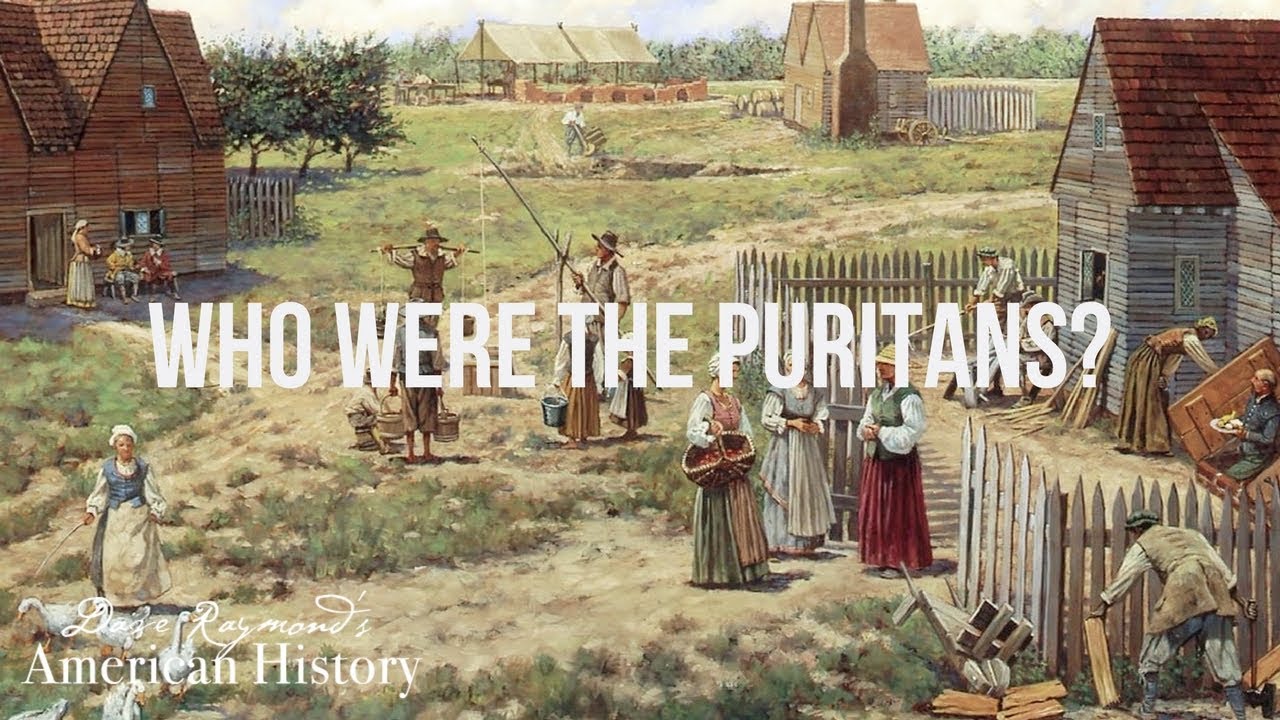
Who Were the Puritans
🐦 The **Puritans** emerged as a significant religious and cultural group in the late 16th and early 17th centuries, primarily in England. Known for their strict theological beliefs and a desire for reform within the Church of England, the Puritans played an essential role in the shaping of early American society and government. But you might ask, what exactly drove their mission? This article dives deep into the world of the Puritans, their beliefs, practices, and influences on both England and the New World, capturing their journey and legacy.
Origins of Puritanism
The term “Puritan” arose from the need to emphasize the desire for a “purified” church that aligned more closely with biblical doctrines. Their origins can be traced back to the reformative movements of the Protestant Reformation, where reframing how faith was practiced became crucial. As a sect within the larger Protestant framework, Puritans advocated for simplification of worship and greater personal piety. Unlike their contemporaries, who were satisfied with the established Church of England, Puritans believed that true worship could only be achieved through further reforms.
Key Beliefs and Values
- Grace and Predestination: The Puritans held a strong belief in the concept of grace, suggesting that salvation was given by God’s sovereign will rather than human effort. This led to the idea of predestination, where only a few were chosen for salvation.
- Bible as the Ultimate Authority: They believed that the Bible was the ultimate authority in all matters of faith, necessitating a focus on scriptural interpretation and personal understanding of the text.
- Moral Living: Living a life in accordance with God’s law was paramount. They emphasized piety, good works, and a communal sense of responsibility—values that significantly influenced their community structures.
Puritan Society and Governance
Puritans sought to combine church and state in a way that fostered their values. This belief was enacted in the **Massachusetts Bay Colony**, established in 1630, where they intended to create a “city upon a hill”—a symbol of their religious and societal ideals. Rather than viewing the government as a separate entity, Puritans believed it should uphold religious morals.
Life in Puritan Communities
Day-to-day life in Puritan communities was marked by a strong work ethic, communal involvement, and austere living. Local governance was typically structured via town meetings, allowing for a sense of collective decision-making. Education gained importance as well, with the establishment of institutions like Harvard College in 1636, aimed at training clergy. The commitment toward literacy arose from the belief that every individual should read the Scriptures, highlighting their desire for personal interpretation.


Difference from Other Groups
While the Puritans sought reformation, they often clashed with *Separatists*, who believed complete separation from the Church of England was necessary. Unlike Puritans, Separatists established independent congregations rather than trying to reform the existing church. A notable group among them was the Thirteen Colonists, who became known as Pilgrims after their exodus to America in search of religious freedom. Their arrival in 1620 set the stage for many pivotal events in American history.
Puritan Beliefs in Modern Context
Although the term “Puritan” might conjure images of rigid moral codes and oppressive conformity, their legacy has evolved. Today, the core values of diligence, responsibility, and community reflect in various cultural domains across America. Their emphasis on education paved the way for a system that values critical thinking and literacy. “What you’ll discover next might surprise you…”—their influence is evident even in modern democratic practices, where a strong moral compass and community involvement are foundational elements.
Complementary Educational Tools to Understand Puritanism
Understanding the **Puritans** can be enhanced with educational tools and resources. Consider integrating the following tools alongside your exploration of Puritan beliefs:
- Online Text Databases: Access to primary source materials such as the JSTOR library can provide invaluable insights into Puritan writings and literature.
- Documentaries and Films: Visual media provide engaging narratives of the Puritan experience, helping to contextualize their societal impact. Platforms like Netflix or Amazon often have valuable content.
- Historical Maps: Understanding Puritan migration patterns can be beneficial. Websites such as Digital History offer resources that visually depict geographic shifts.
- Educational Apps: Combining history lessons with engagement can be achieved through apps dedicated to early American history, helping make learning interactive.
In-depth Look at Documentaries and Films
Documentaries can serve as powerful educational tools for understanding the Puritan ethos. Below are a few reasons why:
- Visual Storytelling: They provide a narrative context that can make historical events more relatable.
- Expert Commentary: Features historians and scholars who can dissect Puritan beliefs and impact comprehensively.
- Access to Primary Sources: Often visualizes letters, diaries, and records from the era that bring context to the content.
- Broader Cultural Context: Helps relate the Puritan experience to more extensive historical movements in a woven tapestry of history.
Primary Sources as Educational Tools
Accessing primary sources has never been easier. Platforms such as JSTOR facilitate the exploration of literature and documents from the Puritan era. By diving into these works, one can:
- Engage with Authentic Text: Reading unfiltered documents offers insight into the Puritan mindset.
- Foster Critical Analysis: Encourages the development of analytical skills through historical interpretation.
- Understand Ideological Differences: Analyzing opposing views from within the same time frame and context can lead to a richer understanding.
- Inspires Research: Acts as a springboard for further exploration, encouraging connections to modern religious and social contexts.
The Cultural Impact of Puritanism
The influence of Puritanism goes beyond historical context. Over the years, their principles have subtly integrated into various aspects of American life. Key elements such as community service, hard work, and a sense of governance based on moral law can be traced back to their traditions. But that’s not all—modern discussions about morality often reflect Puritan ideals without even recognizing the connection.
Conclusion
In unpacking the question of who were the Puritans, we can appreciate their multifaceted influence on American culture, governance, and societal norms. By utilizing modern educational tools like primary sources from JSTOR and engaging documentaries, learners and enthusiasts alike can access a rich tapestry of Puritan history. Aspects of their legacy continue to resonate even today, informing how we view community, governance, and morality. Explore more, dive deeper, and uncover the enduring impact of the Puritans on our contemporary world!
This HTML-formatted article structure focuses on the Puritans, exploring historical context, beliefs, societal structures, and their implications today, while incorporating various educational resources that complement the topic effectively.
Historical Context of the Puritans
In the late 16th and early 17th centuries, the term Puritan became synonymous with a movement seeking to reform the Church of England. In a period marked by religious turmoil and societal changes, the Puritans emerged not just as a religious faction but also as a significant cultural force within England and later, the American colonies. 🕰️ Their desire for a “purer” form of worship and life made them stand out against the backdrop of the Tudor monarchy’s efforts to consolidate religious power.
Origins of the Puritan Movement
The Puritan movement originated from within the Church of England, known for its Anglican roots. Many Puritans believed the Reformation was incomplete and sought to clean the church of its remaining Catholic practices. Unlike their more radical counterparts, the separatists, who pushed for total disassociation from the Church of England, the majority sought to reform it from within. This quest set off a wave of conflict that would shape their identity and drive them toward eventual migration. 🔍
Persecution and Migration
By the 1620s, Puritans faced increasing persecution under King Charles I, who actively opposed their reforms. The harsh measures encouraged many to flee, leading to the Great Migration (1620-1640), where thousands settled in New England. The city of Boston quickly became a crucial hub for Puritan life, characterized by a strict moral code guided by their interpretation of Christian doctrine. This migration established a profound American legacy shaped by their values and beliefs.
Core Beliefs and Values of the Puritans
The beliefs of the Puritans can be summed up by several key principles that defined their community and mission. Their insistence on living a devout life influenced not only religious practices but also social norms throughout their territories.
Predestination and Grace
Central to Puritan theology was the concept of predestination. They believed that God had predetermined who would achieve salvation. This belief led to a culture focused on piety, encouraging individuals to live in a manner that demonstrated their worthiness of salvation. Their doctrine of grace emphasized that salvation was a gift from God, unearned through personal actions but necessitating a life aligned with biblical teachings.
Moral Purity and Community Life
Puritans placed a strong emphasis on moral conduct shaped by their interpretation of the Bible. This belief permeated every aspect of life, from family dynamics to public policy. The community often enforced strict rules to ensure that personal behavior reflected collective values, creating an integrated society where civic and religious duties were intertwined. 🙏
The Impact of Puritanism on American Culture
The influence of the Puritans extends far beyond their immediate theological beliefs; their values have been woven into the fabric of American culture. Understanding their contributions can help contextualize modern American society.
Education and Literacy
One of the most significant legacies of the Puritan movement is their commitment to education. They believed that individuals should read the Bible and interpret its teachings for themselves. This commitment led to high literacy rates among Puritan communities and the establishment of some of the first schools and colleges in America, including Harvard University. 🎓
Work Ethic
The Puritan work ethic, emphasizing hard work, diligence, and frugality, has profoundly impacted American values. This work ethic influenced not only individual habits but also the development of economic systems in America, making it synonymous with success and personal responsibility.
Modern Interpretations and Misconceptions of Puritanism
With time, perceptions of Puritanism have evolved, and numerous misconceptions exist today. Clarifying these can enhance our understanding of their historical and cultural significance.
Puritanism vs. Legalism
Many view Puritans as overly harsh or legalistic; however, it’s essential to differentiate between their desire for moral integrity and contemporary perceptions of legalism. The Puritan goal was to foster genuine piety, not mere adherence to rules. Unlike some modern movements that emphasize rigid interpretations, Puritanism sought a heartfelt devotion to God. 🌟
Modern Puritanism
Some groups today identify as Modern Puritans, embracing the name to signify their dedication to spiritual discipline and ethical living. These communities use the term to connect to the historical roots of their convictions while adapting to contemporary issues such as social justice, community service, and interfaith dialogue.
Complementary Tools and Resources for Understanding Puritanism
To further explore the pertinent themes surrounding who were the Puritans, various tools and resources can enhance your understanding. Here are some ideas illustrating how different resources can complement your study of Puritan culture and beliefs. 📚
1. Academic Journals
- Utilize online databases like JSTOR to find scholarly articles on Puritan history.
- Research topics on Puritan theology to gain a deeper understanding of their beliefs.
2. Documentaries and Films
- Explore documentaries focused on American history to see the impact of Puritanism on modern society.
- Watch dramatizations of Puritan life to gain a visual context that can enhance your understanding.
- Example Resource: The PBS series “American Experience” often highlights periods influenced by Puritan culture.
- This can provide engaging visuals that complement your readings on Puritanism.
3. Online Courses
- Platforms like Coursera offer courses in American History that delve into the impact of Puritanism.
- Consider enrolling in a course about the early American colonies to get a well-rounded view.
4. Historical Fiction
- Reading historical novels centered on Puritan life allows you to immerse yourself in the era while understanding social dynamics.
- Look for authors who specialize in historical fiction set in early America.
5. Primary Source Documents
- Access archives that contain primary documents such as sermons, letters, and records from Puritan leaders.
- Utilizing such materials allows you to see how Puritan values were expressed in personal writings.
6. Community Discussions
- Engaging in forums or local history groups can provide insights and spark discussions related to Puritanism.
- Such discussions can offer varying perspectives on their complex legacy.
7. Online Blogs and Websites
- Follow blogs dedicated to American history or religious studies to keep updated about new perspectives on Puritanism.
- These platforms can be valuable for connecting with historians and enthusiasts alike.
8. Podcasts
- Listen to podcasts such as “History Extra” that delve deeper into topics regarding Puritan influence.
- Podcasts can provide a convenient way to absorb information while on the go.
- Example Resource: Many educational podcasts explore the complexities of Puritan theology and its ramifications on modern thought.
- These discussions can add nuance to your understanding of Puritan ethics.
9. Local Religious Studies
- Establish connections with local religious institutions that may host seminars or talks focused on Puritan heritage.
- These events allow for direct engagement with scholars and community members interested in Puritan theology.
Conclusion
Understanding who were the Puritans involves more than studying their belief system; it requires examining their socio-political context and their lasting impact on American culture. From their commitment to moral integrity to their role in shaping education, the legacy of the Puritans continues to resonate today. Utilizing various tools—from documentaries and online courses to primary sources—can significantly deepen your understanding of this fascinating group. Only by exploring their complexities can we appreciate how they helped define a nation. 🌎
Beliefs and Practices of the Puritans
The Puritans: A Historical Overview ✝️
The Puritans were a religious group that emerged during the late 16th century as a reform movement within the Church of England. They sought to purify the church of remnants of Roman Catholicism, advocating for a return to a more sincere and dedicated practice of Christianity. This desire for reform led them to embrace values such as individual piety, community ethics, and rigorous moral standards. The Puritans played a pivotal role in the early history of the United States, particularly in New England, where they established some of the first colonies.
But who were the Puritans really? The term “Puritan” was often used pejoratively to describe their strict moral codes, which often led to conflicts with more moderate groups. However, their influence on American culture and governance is undeniable.
The Origins of Puritanism
Puritanism originated in the late 1500s in England, during a time when the Anglican Church was undergoing significant change. Many Puritans were disillusioned by what they perceived as the church’s failure to fully reform. They wanted to eliminate vestiges of Catholicism, such as elaborate rituals and hierarchical church governance. More specifically, they sought to simplify worship and promote personal interpretation of the scriptures. This movement led to a significant schism and the eventual establishment of separational groups, which sought political asylum from persecution.
The Influence of the Reformation
The rise of Puritanism was greatly influenced by the Protestant Reformation. Figures like Martin Luther and John Calvin established core tenets, such as justification by faith alone and the “priesthood of all believers,” that resonated with Puritan beliefs. These ideas emphasize individual scripture reading and interpretation, which were central to Puritan ideology.
Key Puritan Beliefs and Values
The Puritans held a distinctive set of beliefs that defined their way of life and religious practice. Understanding these values can help to illuminate their lasting influence.
1. The Sovereignty of God
Puritans strongly believed in the sovereignty of God, meaning that God has absolute power and authority over all aspects of the universe. They emphasized the importance of relying on God’s will and providence.
2. Predestination and Salvation
Central to Puritan thought was the doctrine of predestination, which taught that God had chosen certain individuals for salvation, while others were destined for damnation. This belief fostered a sense of humility and deep introspection among the Puritans, as they sought signs of their own elect status.
3. The Importance of Scripture
For the Puritans, the Bible was the ultimate authority on all matters of faith and practice. They believed that scripture should be studied diligently and applied to everyday life.
The Puritans in America
The Puritans’ journey to the New World was motivated by a quest for religious freedom. In 1620, a group of Puritans, known as the Pilgrims, set sail on the Mayflower, seeking to establish a community based on their religious principles. They landed in what is now Plymouth, Massachusetts.
The Massachusetts Bay Colony
Shortly after, in 1630, another group of Puritans established the Massachusetts Bay Colony. They aimed to create a “city upon a hill,” a model of Christian living intended to inspire others. Unlike mere settlers, the Puritans aimed to establish a theocratic society where Biblical principles guided all aspects of life.
Governance and Society
The Puritan society was characterized by a strong sense of community and collective responsibility. They established a covenant with God, entrusting their society to divine guidance while emphasizing moral integrity and communal ethics. Their governance structure also reflected these ideals, with laws heavily influenced by their religious beliefs.
The Enduring Legacy of the Puritans
The Puritans’ impact on American society is profound and far-reaching. Their ethical framework, emphasis on education, and democratic ideals laid the groundwork for many societal norms in contemporary America.
Education and Literacy
One striking contribution of the Puritans was their emphasis on education. They believed that reading the Bible was crucial and therefore set up public schools to ensure widespread literacy. This focus on education led to the establishment of some of the first higher education institutions, including Harvard College in 1636.
Work Ethic and Individualism
The Puritan work ethic, which prioritizes diligence and frugality, has been integrated into the American cultural fabric. Their belief in hard work as a form of worship influenced later American attitudes towards labor and success.
Understanding Puritan Culture
Puritan culture was rich and multifaceted, incorporating strict moral codes with a commitment to community engagement. They celebrated Thanksgiving, for instance, as a time of gratitude for God’s blessings.
Religious Practices
Puritans were known for their heartfelt worship services, which typically included sermons, prayer, and singing of psalms. They discouraged elaborate church rituals and decorative art, preferring simplicity that reflected their views on spirituality.
Family Life
Family was central to Puritan society, with a clear structure emphasizing parental authority, education, and moral upbringing. Parenting was seen as a sacred task with a focus on instilling Puritan values in children.
The Decline of Puritan Influence
By the late 17th century, the influence of the Puritans began to decline due to several factors, including the rise of religious pluralism and the Enlightenment’s emphasis on reason. Events such as the Salem witch trials also tarnished their reputation, showcasing the dangers of extreme religious fervor.
Religious Pluralism and the Great Awakening
The Great Awakening in the 18th century brought a wave of revivalism that challenged Puritan orthodoxy, encouraging a more personal and emotional approach to faith. This period laid the groundwork for further religious diversity in America.
Complementary Strategies for Understanding Puritanism
To deepen your understanding of the Puritans, consider engaging with complementary tools and resources. Here are some effective strategies:
1. Historical Documentaries
Watching well-researched historical documentaries can provide visual context to the events of Puritan history. They often include interviews with historians and can offer insight into Puritan life.
2. Online Courses
Engage with platforms like Coursera that offer courses on American history and the Puritan influence on modern society. These courses typically cover:
- Diverse Perspectives: Gain insights from various historians.
- Interactive Learning: Enjoy video lectures and quizzes to consolidate knowledge.
- Accessible Materials: Access course documents that provide in-depth readings.
- Flexible Learning: Take courses at your own pace, making education convenient.
3. Discussion Forums
Participating in online forums allows for engaging discussions about Puritan influence. Websites like Reddit feature numerous communities focused on history.
4. Books and Literature
Reading books by scholars such as Nathaniel Hawthorne can offer a fictional glimpse into Puritan life, alongside historical analysis. Explore both classic novels and contemporary historical interpretations.
5. Museums and Historical Sites
Visiting locations like Plimoth Plantation provides immersive experiences into the Puritan lifestyle, allowing you to witness re-enactments and learn directly from historians.
6. Podcasts
Numerous history-focused podcasts dive into Puritan topics, discussing their beliefs and cultural contributions. Listening to these on the go can enhance your understanding.
7. Academic Journals
Delving into academic journals can shed light on the latest research surrounding the Puritans. Look for publications dedicated to early American history.
8. Documentaries and Analysis Tools
Utilize critical analysis resources to review historical documentaries. Services such as Rotten Tomatoes feature critic reviews and audience feedback, which can help you choose the best documentaries on Puritanism for your research.
- Review Aggregation: Discover how audiences rated specific documentaries about the Puritans.
- Diverse Critiques: Read critic reviews to understand different perspectives.
- Time-Saving: Quickly evaluate the best viewing options.
- Historical Significance: Find out which documentaries highlight key events in Puritan history.
9. Social Media Groups
Engage with social media groups dedicated to American history. Platforms like Facebook host groups where like-minded individuals share knowledge and resources about the Puritans.
10. Visual Arts
Explore visual representations of Puritan life through paintings and artifacts available in online galleries, enhancing your visual and cultural understanding.
Embracing Puritan Values Today
While the Puritans may not be as prominent today, their values still resonate in various aspects of modern American life. From the strong emphasis on community service to the focus on individual morality and family responsibility, the influence of their beliefs continues to shape societal values.
Pursuing A Puritan Work Ethic
Adopting the Puritan work ethic can lead to increased productivity and a greater sense of purpose. This mindset encourages individuals to approach work with diligence and responsibility, ensuring that efforts contribute to the greater good.
Fostering Community Engagement
The Puritan commitment to community responsibilities underscores the importance of civic engagement. Participating in local organizations and projects reinforces mutual support and accountability.
Conclusion
The Puritans were much more than a historical group; they embodied a set of beliefs and values that continue to influence American society today. Understanding who were the Puritans helps us appreciate their role in shaping modern concepts of community, morality, and education. By exploring their legacy through various tools and resources, we can gain insight into the historical context that has shaped our contemporary world.
The Legacy of the Puritans
Who Were the Puritans? 🌟
The Puritans were a religious group that emerged in the late 16th century, profoundly influencing both religion and society in the United States. But what specifically made their beliefs and practices stand out? Let’s explore their legacy and how it continues to resonate today.
Origins of the Puritan Movement
The **Puritans** originated from the Church of England, seeking to “purify” the church of its remaining Catholic practices. Discontent with the status quo, they wanted to return to a simpler, more devout form of worship rooted in the scriptures. This desire for reform can be traced back to the broader Protestant Reformation, which questioned the teachings of the Catholic Church.
Historical Context
Emerging during the reign of Queen Elizabeth I in the late 1500s, the Puritan movement was part of a wider critique against the established church. Puritans faced persecution for their beliefs, leading some to seek refuge in the Americas, which further shaped their ideology. Such historical settings highlight a **society in transition**, where religious conviction was often at odds with political authority.
Core Beliefs and Practices of the Puritans
At the heart of **Puritan beliefs** was a commitment to scripture as the ultimate authority. They emphasized individual covenant with God, which fostered a deep sense of personal responsibility for one’s moral and spiritual life.
Emphasis on Scriptures
Puritans believed that every individual bore the responsibility to interpret the Bible, which encouraged literacy and education. This emphasis on the written word shaped their communities and is an important aspect of their legacy.
Value of Hard Work and Discipline
Moreover, they valued hard work and discipline, seeing these qualities as manifestations of **godly living**. The Puritan work ethic laid the groundwork for what many define as American capitalism today. This perspective can be likened to modern productivity tools like Notion or Trello, which promote organization and discipline in work settings. However, the core focus for the Puritans was a spiritual one, deeply intertwined with their belief in **divine providence**.
Community and Governance
**Puritan communities** were known for their strong sense of community and cooperation. Town meetings and congregational governance were vital aspects of their social structure, allowing members to participate actively in communal decision-making. This form of governance can be seen as a precursor to American democratic principles.
The Role of the Church
The **Congregational Church** was central to Puritan life, serving not just as a place of worship, but also as a community center. This tight-knit community dynamic can be compared to modern coworking spaces that foster collaboration and connection among individuals. Just like today’s coworking spaces, Puritan communities thrived on **shared values and collective efforts**.
Puritan Influence on American Society
The legacy of the **Puritans** extends beyond religious practices. Their views on education, moral integrity, and community governance have left lasting marks on American civilization. For instance, their emphasis on public education paved the way for modern schooling systems.
Education and Literacy
They established some of the first schools in America, reflecting their belief that everyone should be able to read the Bible. This foundational approach to education is echoed in platforms like Khan Academy, which emphasize accessible learning. By utilizing such educational resources alongside an understanding of Puritan values, one can achieve a deeper appreciation for the need for informed citizenship and personal development.
Resistance and Legacy
Despite their significant contributions, Puritans also faced resistance, particularly due to their strict moral codes, which at times led to persecution of dissenters. The infamous **Salem Witch Trials** are a stark example of the dangers of extremism in their religious fervor. This cautionary tale mirrors the need for balanced beliefs in contemporary society.
Modern Reflection
Today, many argue that the **Puritan work ethic** continues to influence American culture, particularly in business and professional settings. Unlike other cultures that may prioritize leisure, American society often reflects a commitment to productivity, which some trace back to Puritan values. This relationship illustrates how historical perspectives can shape contemporary practices.
Complementary Tools to Enhance Understanding of Puritan Legacy
To deepen your understanding of **who were the Puritans** and their significant contributions, consider the following complementary tools and resources:
- History.com – Provides detailed articles and videos on Puritan history.
- Encyclopædia Britannica – Offers scholarly articles on Puritan beliefs.
- Learning.com – Educational resources that relate back to Puritan values on literacy.
- Khan Academy – Leverage their history modules along with Puritan studies for a comprehensive view.
- Podcasts on Puritanism to explore individual stories and beliefs.
- Goodreads for book recommendations on Puritan literature.
Idea Breakdown for Key Tools
Encyclopædia Britannica
- Offers extensive scholarly articles that dive deep into Puritan beliefs.
- Includes timelines and maps to visually understand the Puritan migration.
- Regularly updated content ensures you have the latest scholarship available.
- Accessible to both casual readers and serious students of history alike.
Khan Academy
- Interactive history modules help visualize the era of the Puritans.
- Supplementary quizzes can help reinforce your understanding of the material.
- Flexibility of online learning allows you to study at your own pace.
- Bridges the gap between historical events and contemporary relevance.
Conclusion: Understanding the Enigma
The **Puritans** remain a fascinating topic due to their profound impact on society. Their beliefs, commitment to education, and community governance have left an indelible mark on American culture. As you explore their legacy, combining resources like official educational platforms and historical websites can greatly enhance your understanding. As we engage with their story, we see reflections of values that continue to shape our lives today. By knowing who were the Puritans, we gain insight into the complexities of our foundational society.
