The prayer to the blessed virgin mary: essential guide and 5 key steps
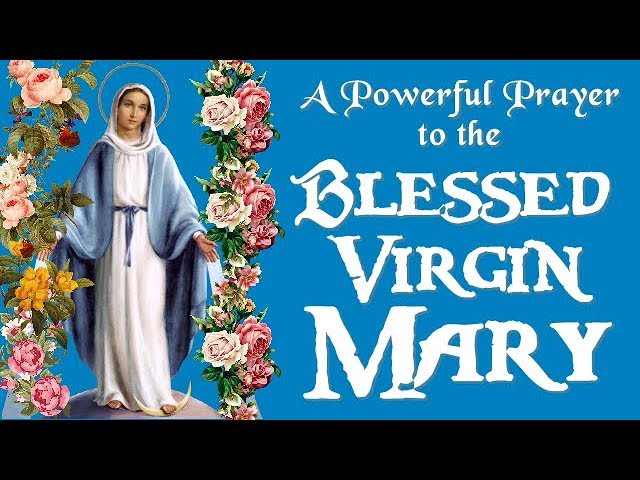
Understanding the prayer to the blessed virgin mary: meaning, texts, and how to pray
For many Christians across the world, the prayer to the blessed virgin mary is a simple yet profound way to seek comfort, ask for help, and grow closer to Jesus through his mother. Whether you grew up hearing the Hail Mary or you are new to Marian devotion and curious about its place in Christian life, this guide offers a clear, friendly introduction to what the prayer is, why it matters, and how to pray it in a grounded, practical way.
Below you will find essential background, the most common Marian prayers, the beliefs that underpin them, step-by-step guidance for daily practice, and helpful answers to frequently asked questions. The goal is not to overwhelm, but to help you pray with confidence and understanding—at home, in church, or quietly on the bus.
What is the prayer to the blessed virgin mary?
In everyday language, “the prayer to the blessed virgin mary” usually refers to well-known Marian prayers such as the Hail Mary, the Memorare, and Sub tuum praesidium. These are short, beautiful prayers that ask Mary—Mother of Jesus and first disciple—to pray for us, point us to her Son, and help us to follow him more faithfully. Christians use them for many reasons: comfort in grief, peace in anxiety, gratitude for blessings, help with decisions, or simply to keep Jesus and his gospel at the centre of daily life.
At its heart, the prayer to the blessed virgin mary is about intercession. Christians ask Mary to pray with and for them, just as they might ask a friend to pray for them. The focus remains on God; Mary’s role is to accompany, guide, and intercede. This is why you’ll often hear the short phrase “pray for us” at the end of Marian prayers: it places Mary beside us as a companion who leads us to Christ.


Where does this practice come from? A concise history
Devotion to Mary developed early in Christian history. The oldest known Marian prayer, Sub tuum praesidium (“Under your protection”), is found in Greek papyri from around the third century. Over time, the Hail Mary took shape, combining scriptural lines from Luke’s Gospel (“Hail, full of grace” and “Blessed are you among women”) with a later petition asking Mary to “pray for us now and at the hour of our death.” The Memorare emerged in its familiar form by the seventeenth century, expressing trust in Mary’s help for those who seek her intercession.
Today, the prayer to the blessed virgin mary is part of everyday life for many Christians—especially within the Catholic Church and several Eastern and Anglican traditions. Some people pray these prayers on their own; others include them in structured devotions such as the Rosary or the Angelus.
Key beliefs behind Marian prayer
To understand the prayer to the blessed virgin mary, it helps to note a few guiding beliefs:
- Intercession, not worship: Christians ask Mary to pray for them, but they worship God alone. This distinction is crucial.
- Biblical roots: The opening of the Hail Mary comes almost word-for-word from the Gospel of Luke, acknowledging Mary’s unique role in salvation history.
- Mary points to Christ: In the New Testament, Mary’s words and actions consistently direct people to Jesus (“Do whatever he tells you”). Marian prayer follows the same pattern.
- Communion of Saints: Christians believe that those who have died in Christ continue to pray for the Church. Marian intercession sits within this wider communion.
If you’d like to explore a concise doctrinal overview, the Catechism of the Catholic Church on the Blessed Virgin Mary outlines Mary’s role in Christian faith and how intercession is understood. For the wording of the Hail Mary as commonly used in English, the USCCB page with the Hail Mary text and explanation is a reliable reference.
Core texts used in the prayer to the blessed virgin mary
Here are the three most widely used texts associated with the prayer to the blessed virgin mary, along with a short note on each.
1) The Hail Mary
Perhaps the best-known form of the prayer to the blessed virgin mary, the Hail Mary draws from Luke 1:28 and 1:42 and adds a request for intercession. It thanks God for choosing Mary to bring Christ into the world and asks her to pray for us. Many people use it on its own or as part of the Rosary.
2) The Memorare
This classic prayer expresses trust in Mary’s help: no one who sought her intercession was left unaided. People turn to it during urgent needs, illness, or times of anxiety. It embodies the heart of the prayer to the blessed virgin mary: confident, gentle, focused on God’s mercy.
3) Sub tuum praesidium (“Under your protection”)
As the oldest known Marian prayer, Sub tuum praesidium is brief and ancient, asking for protection and help. Its simplicity makes it easy to remember for daily moments when you want to keep the prayer to the blessed virgin mary close at hand.
If you want an accessible overview of how the Hail Mary evolved and how different traditions pray it, the article Hail Mary – history, forms, and usage is a useful starting point.
How to pray the prayer to the blessed virgin mary step by step
There is no single “correct” way to pray; God meets you where you are. Still, these steps can help you pray the prayer to the blessed virgin mary with focus and peace:
- Set your intention: In a sentence or two, say why you are praying—gratitude, a loved one’s health, strength for a difficult conversation, or simply to be close to Jesus.
- Choose a text: Pick the Hail Mary, the Memorare, or Sub tuum praesidium. You might alternate them on different days.
- Slow your pace: Read or recite the words calmly. Let the phrases sink in; pause briefly after each line.
- Hold a person or situation in mind: Picture those you are praying for, and entrust them to Mary’s care and God’s mercy.
- End with silence: Sit quietly for a moment. Notice any promptings—perhaps a practical step you can take, a person to call, or a need to forgive.
- Close with trust: Conclude with a simple line such as “Mary, lead me to your Son.”
Many people weave the prayer to the blessed virgin mary into a morning or evening routine. Others pray it while commuting, walking, or during a lunch break. If you find routine helps, choose a place and time each day. If you prefer variety, keep a prayer card handy and use the words whenever a need arises.
Incorporating the Rosary and the Angelus
The Hail Mary is the main prayer of the Rosary, a meditative devotion that reflects on key moments in the life of Christ. If you are new to the Rosary, start small: one decade (ten Hail Marys) while reflecting on a single mystery. The Angelus is another short devotion traditionally prayed in the morning, at noon, and in the evening, recalling the Incarnation. Both are fruitful ways to embed the prayer to the blessed virgin mary in daily life.
When to use it and how it helps
People turn to the prayer to the blessed virgin mary in all seasons of life. Common moments include:
- Seeking courage before a challenging meeting or exam
- Finding comfort while grieving or feeling anxious
- Giving thanks after good news
- Praying for family members, friends, or those who are ill
- Asking for help in discerning a decision or new direction
Spiritually, Marian prayer can cultivate humility, compassion, and trust in God. Practically, it can create a small “breathing space” in your day, slowing your thoughts and easing worry. If you are exploring how to pray more regularly, you may also find it helpful to read about the wider Christian invitation to continual prayer; see this guide to the meaning of “pray without ceasing” for simple, everyday ideas that complement Marian prayer.
Examples and wording tips for the prayer to the blessed virgin mary
If you are beginning, it may help to pair a traditional text with a simple personal intention. Here are examples that keep the prayer to the blessed virgin mary natural and heartfelt:
- “Mary, Mother of Jesus, please pray for my family as we face this change. Help us to trust God’s plan.”
- “Blessed Mother, be with me in this anxiety. Lead me to your Son’s peace.”
- “Our Lady, I thank God for this new opportunity. Pray that I may serve others with kindness.”
You can also adapt your language slightly while keeping the spirit of the prayer to the blessed virgin mary intact. For instance, if you are hesitant about fixed formulas, try a short spontaneous line such as “Mary, pray with me for courage,” and then say a Hail Mary slowly. Over time, you may find that the rhythm of the traditional words carries you when your own words do not come easily.
When your prayer life feels dry, it may help to return to basic biblical promises about God’s love and care. This short reflection on Bible verses about God’s love for you can refresh your trust before you begin the prayer to the blessed virgin mary.
Common mistakes to avoid with the prayer to the blessed virgin mary
As you practise, a few gentle cautions can keep the prayer to the blessed virgin mary balanced and life-giving:
- Forgetting the focus: Marian prayer points to Jesus. If you find yourself anxious about “getting it right,” pause and remember the goal is to draw closer to Christ.
- Rushing: The words are short; the fruit often comes from saying them slowly. One calm Hail Mary can be better than many hurried ones.
- Treating prayer like a transaction: Prayer is a relationship, not a deal. Ask confidently, but also trust and be open to the way God answers.
- Overcomplicating it: You do not need special objects to begin. A rosary can help, but a quiet minute and sincere heart are enough.
- Neglecting Scripture: Marian devotion flourishes alongside the Bible. Consider pairing your devotion with a short Gospel reading.
Recommended external resources
- Catechism of the Catholic Church: Mary’s role and intercession – authoritative teaching on why and how Christians honour Mary.
- USCCB: The text of the Hail Mary and a brief explanation – the standard English wording and context.
- Hail Mary – history, forms, and usage – overview of origins and variations across traditions.
Frequently asked questions about the prayer to the blessed virgin mary
Is the prayer to the blessed virgin mary the same as worship?
No. Worship belongs to God alone. The prayer to the blessed virgin mary is a request for intercession—asking Mary to pray for us—similar to asking a friend at church to pray for you. The aim is to be led to Christ, not to replace him.
Can non-Catholics say the prayer to the blessed virgin mary?
Yes. Many Christians outside the Catholic Church honour Mary as the mother of Jesus and first disciple. Anglicans, some Lutherans, and Eastern Christians often use Marian prayers in ways appropriate to their traditions. If you are unsure, speak with a trusted pastor or spiritual guide in your community.
Do I need a rosary to pray the prayer to the blessed virgin mary?
No. A rosary can help you keep track of repeated prayers and focus your meditation, but it is not required. One slow, attentive Hail Mary is a perfectly good way to keep the prayer to the blessed virgin mary part of your day.
Is there a best time of day for Marian prayer?
Choose a time you can keep. Morning and evening are popular because they frame the day, but many people use the prayer to the blessed virgin mary at lunchtime, while commuting, or when a need arises. Consistency matters more than the clock.
What should I do if my mind wanders?
Gently return to the words without frustration. If it helps, set a small intention at the start (“I’m praying for my friend’s surgery”) and come back to it when you notice your attention drifting. The calm repetition of the prayer to the blessed virgin mary often steadies the mind over time.
How often should I pray it?
There is no fixed rule. Some people say a few Hail Marys daily; others pray the Rosary regularly; many turn to the prayer to the blessed virgin mary when a need arises. Start small, be consistent, and let your practice grow naturally.
Conclusion on the prayer to the blessed virgin mary
The heart of the prayer to the blessed virgin mary is simple: it is a humble request for Mary’s prayers, so that we may grow in faith, hope, and love, and follow Jesus more closely. Through short, well-loved texts such as the Hail Mary, Memorare, and Sub tuum praesidium, Christians find a steady path to peace amid daily responsibilities and challenges.
Whether you are just beginning or returning after a long pause, let your practice be calm and steady. Say the prayer to the blessed virgin mary slowly, set a clear intention, and finish with a moment of silence. Over time, you may notice a quiet strengthening of trust, compassion, and courage. Above all, remember that Marian prayer always leads to Christ. If it helps you love God and neighbour more, you are on the right track.
May the prayer to the blessed virgin mary become a gentle companion on your journey—helping you to rest in God’s love, ask for what you need with confidence, and take the next good step with grace.
