Prayer to Saint Rita: Essential, Complete Guide with 3 Prayers
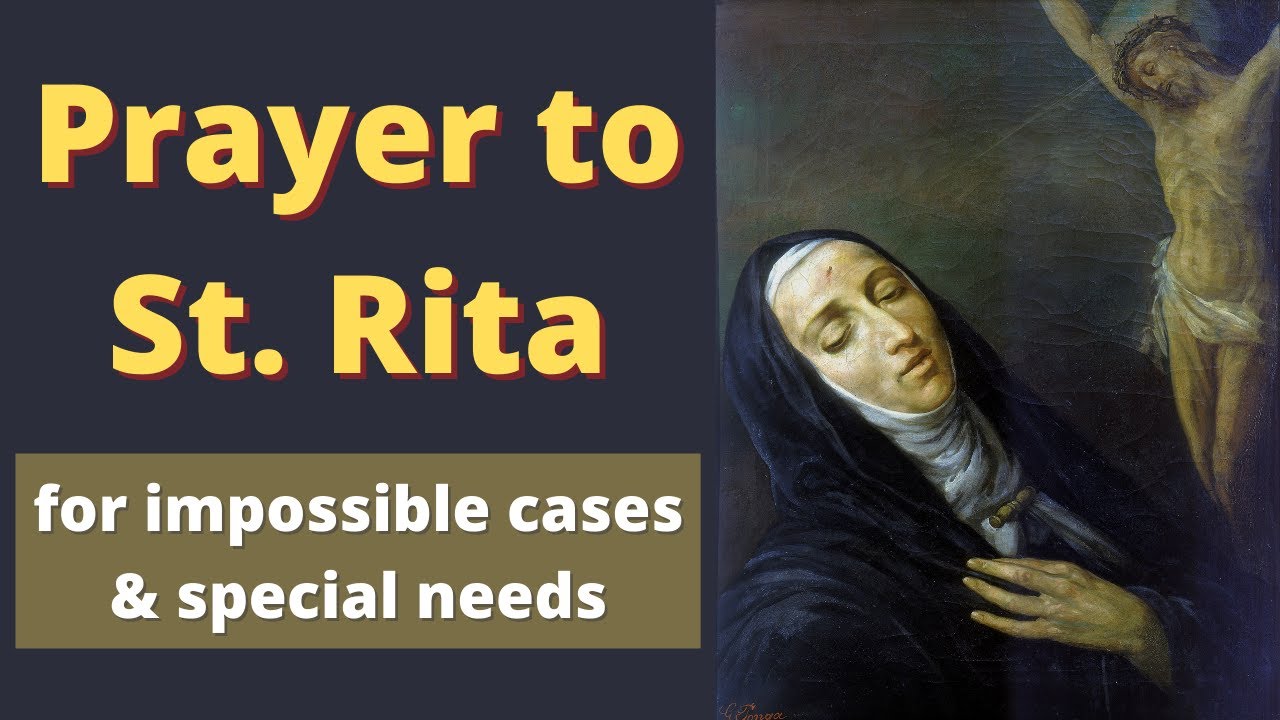
Prayer to Saint Rita: meaning, origins, and how to pray
The Prayer to Saint Rita is a cherished devotion for many Christians seeking hope in difficult circumstances. Often called the patron saint of impossible causes, Saint Rita of Cascia is turned to when situations feel tangled, hearts are wounded, or reconciliation seems out of reach. In this guide, we explore who Saint Rita is, why people pray through her intercession, and practical ways to make the Prayer to Saint Rita part of your everyday spiritual life.
Whether you are facing a strained relationship, illness, financial uncertainty, or a personal struggle, the Prayer to Saint Rita invites you to bring your needs to God with trust and persistence. This article offers background, simple steps, and thoughtful tips so you can pray with clarity, confidence and a sense of peace.
Who is Saint Rita of Cascia?
Before entering the specifics of the Prayer to Saint Rita, it helps to know the story of the woman behind the devotion. Saint Rita was born in the 14th century in Roccaporena, near Cascia, Italy. Her life was marked by hardship: she endured a difficult marriage, the loss of her husband to violence, and later the death of her two sons. Despite suffering, Rita embraced forgiveness, sought reconciliation, and devoted herself to prayer and works of charity.
As an Augustinian nun, she became known for her humility, patience and deep unity with Christ. Tradition holds that she received a small wound on her forehead resembling a thorn, symbolising her sharing in the sufferings of Jesus. Because she bravely trusted God in the most painful situations, many people turn to the Prayer to Saint Rita when facing what seems humanly impossible. Her feast day is celebrated on 22 May.


What is the Prayer to Saint Rita used for?
The Prayer to Saint Rita is not a magical formula; it is a way of asking for Saint Rita’s intercession, trusting that God hears every sincere petition. People often pray when:
- Family relationships are strained or broken, and reconciliation is needed.
- There is a serious illness or chronic pain in the family.
- Work is unstable, or a livelihood is at risk.
- There is anxiety, grief, or loneliness that feels overwhelming.
- Forgiveness seems difficult, especially after betrayal or injustice.
Saint Rita is affectionately invoked as the “advocate of the hopeless”. Through the Prayer to Saint Rita, many ask for the grace to persevere, to act wisely, and to accept God’s timing. The heart of this devotion is not only obtaining what we ask but also growing in trust, patience and charity as we wait.
How to pray the Prayer to Saint Rita
There is no single correct way to offer the Prayer to Saint Rita. What matters most is sincerity and faith. If you are new to this devotion, the following simple approach can help:
- Find a quiet moment, whether at home, in a chapel, or during a walk. Breathe slowly to become present to God.
- State your intention clearly. If your situation is complicated, summarise it in a single sentence you can return to.
- Ask Saint Rita to intercede for you, as a friend of God who understands suffering and complex trials.
- Offer a set prayer or your own words. The Prayer to Saint Rita can be formal or personal; both are welcome.
- Conclude with gratitude, even before you see results, trusting that God is at work.
Suggested structure for a simple prayer
If you prefer a guided format for your Prayer to Saint Rita, try this template and adapt it to your voice:
“Loving God, you filled Saint Rita with faith, courage and patience. Through her intercession, I bring before you this intention: [state your intention]. In my weakness, grant me strength; in my confusion, give me wisdom; and in my fear, fill me with peace. Saint Rita, faithful friend in times of trial, pray for me. Help me forgive where I must, persevere where I should, and hope when I cannot see the way ahead. May God’s will be done in my life. Amen.”
You can repeat this Prayer to Saint Rita daily. Some people like to light a candle, place a small image of Saint Rita nearby, or keep a journal of intentions and answered prayers. These are optional aids to focus your heart.
Novena and other devotions to Saint Rita
Many devotees pray a nine-day novena to Saint Rita, especially leading up to her feast on 22 May or when facing a particularly challenging situation. A novena is a simple commitment: the same short Prayer to Saint Rita, or a variation, repeated for nine consecutive days, with a specific intention in mind.
To deepen a novena, consider reflecting on one virtue each day. For example:
- Day 1: Trust in God’s goodness
- Day 2: Patience in suffering
- Day 3: Courage to act rightly
- Day 4: Forgiveness and reconciliation
- Day 5: Humility and honesty
- Day 6: Perseverance in prayer
- Day 7: Charity in words and deeds
- Day 8: Peace in anxiety
- Day 9: Gratitude and surrender to God’s will
Some also combine the novena with the Rosary or with a short reading from the Gospels. You might end each day’s Prayer to Saint Rita by saying, “Saint Rita, advocate of the impossible, pray for us.”
When and where to say the Prayer to Saint Rita
You can pray at any time, but many find the early morning or evening best for focus. The Prayer to Saint Rita is suitable in church, at home, or during a commute—God meets you where you are. If there is a church or shrine dedicated to Saint Rita near you, visiting can bring added encouragement. Marking her feast day with the Prayer to Saint Rita is also meaningful, as is praying on anniversaries or difficult dates when you need comfort and courage.
Mindset and etiquette: praying with faith and balance
Approach the Prayer to Saint Rita with honesty, humility, and hope. Intercessory prayer is an act of trust, not a transaction. A balanced approach includes:
- Faith, without superstition: words are not charms; they are an offering of the heart.
- Perseverance, without impatience: keep praying, but also rest in God’s timing.
- Action, guided by prayer: let your Prayer to Saint Rita inspire practical steps where possible—making amends, seeking help, or changing habits.
- Community, when needed: invite a trusted friend or faith community to pray with you.
Common mistakes to avoid
Because the Prayer to Saint Rita is often associated with “impossible causes,” it can attract extremes. Consider these gentle cautions:
- Do not treat prayer as a guarantee. God answers every prayer, though not always as we expect.
- Avoid substituting prayer for responsibility. If you need medical, legal, or financial advice, seek it promptly.
- Resist the urge to make bargains with God or to repeat words without attention. Simplicity and sincerity matter.
- Do not isolate yourself. Share your burden with someone you trust if you are in distress.
Examples of intentions for the Prayer to Saint Rita
To help you shape your own Prayer to Saint Rita, here are example intentions people commonly hold:
- “For healing in my marriage and the grace to forgive hurts we have caused.”
- “For employment that provides stability and respects my dignity.”
- “For strength as I undergo treatment, and peace for my family.”
- “For reconciliation with a friend after a painful misunderstanding.”
- “For wisdom in a complicated decision where I cannot see the path forward.”
Bringing the Prayer to Saint Rita into daily life
Regular prayer shapes our habits, our words, and our outlook. To integrate the Prayer to Saint Rita into daily life, you might set a recurring reminder at a time when you can pause quietly. Pair the devotion with a short piece of Scripture, such as a Gospel scene of Jesus bringing peace into turmoil, or a psalm of trust. Doing so grounds the Prayer to Saint Rita in the wider story of God’s care.
It also helps to remember that prayer and action work together. If your intention involves mending a relationship, consider writing a note of apology or extending a small act of kindness. If your intention is about health, schedule the appointment you have been delaying. Prayer strengthens the will to do good. For a broader understanding of steady prayer in the Christian tradition, see this clear reflection on the meaning of praying without ceasing, which can inspire your daily rhythm alongside the Prayer to Saint Rita.
When your intention requires moral or spiritual change, combine your Prayer to Saint Rita with an honest examination of conscience and, where appropriate, the sacrament of reconciliation. You may also find practical direction in this gentle guide on how to repent for your sins, which complements the humility and hope at the heart of the Prayer to Saint Rita.
How the Prayer to Saint Rita relates to forgiveness and reconciliation
Saint Rita is renowned for her commitment to forgiveness, especially when reconciliation seemed impossible. If your intention concerns a long-standing conflict, the Prayer to Saint Rita can be a starting point for inner healing. Pray for the grace to see the other person as God sees them, for the courage to apologise where needed, and for protection from bitterness. Even if reconciliation is not immediately possible—or safe—your Prayer to Saint Rita can help you move from resentment towards peace.
Balancing hope and surrender
Every intention carried into the Prayer to Saint Rita involves hope—hope for healing, clarity, provision, or peace. Hold that hope firmly. At the same time, cultivate surrender: a trust that God may answer in unexpected ways or unfold a longer path of growth. Many people find it helpful to end their Prayer to Saint Rita with a short act of surrender: “Lord, I place this in your hands.” This balances desire with trust and prevents discouragement when answers are slow to appear.
Recommended external resources
- Biography of Saint Rita of Cascia on Wikipedia for historical context and a concise overview of her life and veneration.
- Saint Rita of Cascia page on Catholic.org including traditional prayers and devotional practices.
- Shrine of Saint Rita of Cascia (Philadelphia) with pastoral resources, prayer intentions, and information about novenas.
- Encyclopaedia Britannica entry on Saint Rita of Cascia offering a neutral, well-sourced summary of her life and legacy.
Related articles
Frequently asked questions about Prayer to Saint Rita
Is the Prayer to Saint Rita only for Catholics?
No. While Saint Rita is a Catholic saint, many Christians from different traditions appreciate her witness of forgiveness and perseverance. Anyone who wishes to ask for her intercession and to entrust their need to God can pray the Prayer to Saint Rita respectfully.
Do I need a specific text to pray the Prayer to Saint Rita?
Not necessarily. There are beautiful traditional texts you can use, but a sincere, personal prayer works just as well. If you find comfort in set words, choose a version that helps you focus. If you prefer your own voice, use a simple structure: praise, intention, request for intercession, and trustful surrender.
How long should I keep praying about the same intention?
Perseverance is encouraged. You might dedicate a novena (nine days) or even a longer season to one intention. Continue the Prayer to Saint Rita as long as it helps you trust God and act with courage. If you feel stuck, ask a trusted friend or spiritual guide to pray with you and to help you discern next steps.
Can the Prayer to Saint Rita replace professional help?
No. Prayer and practical help go hand in hand. If you face medical, psychological, legal, or financial issues, seek qualified assistance promptly. The Prayer to Saint Rita can give you strength, wisdom and peace while you take responsible action.
What if my prayer seems unanswered?
Unanswered prayer can be painful. Keep bringing your intention to God and remain open to guidance. Sometimes the answer is a change of heart, a new door opening, or the grace to bear a situation with serenity. The Prayer to Saint Rita nurtures trust even when the outcome is different from what we hoped.
Is there a best time of year to say the Prayer to Saint Rita?
You can pray at any time. Many people find added meaning around 22 May, her feast day, or during Lent, when themes of forgiveness and conversion are prominent. But daily life provides countless moments to offer the Prayer to Saint Rita with faith and simplicity.
Conclusion on Prayer to Saint Rita
The Prayer to Saint Rita is a steady companion when life feels impossible. Inspired by a woman who met suffering with courage and mercy, it offers a way to bring every need—large or small—into God’s presence with trust. Through this devotion, many find the strength to forgive, the patience to persevere, and the peace to accept God’s timing.
Whether you pray a novena, follow a simple daily routine, or lift a spontaneous petition in a busy moment, the Prayer to Saint Rita can gently reshape your outlook. It reminds you that you are not alone, that grace is available, and that hope is reasonable even when answers are slow.
As you begin or renew this practice, consider pairing the Prayer to Saint Rita with Scripture, honest reflection, and practical steps towards healing or resolution. May this devotion support you in seeking reconciliation, making wise choices, and trusting the God who brings light into the most complicated corners of our lives.
Saint Rita, faithful intercessor and friend in hardship, pray for us.
