Prayer to mary that never fails: complete, practical guide (5 steps)
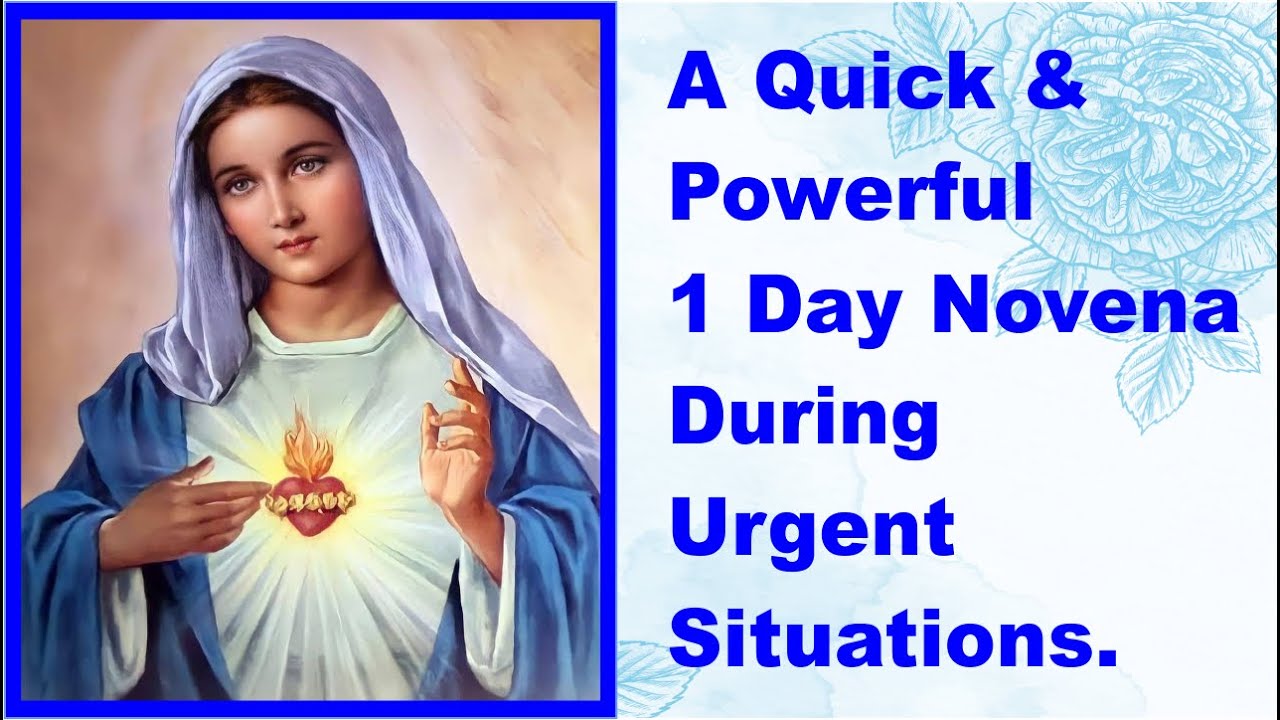
Prayer to mary that never fails: meaning, traditions and how to pray
Many people search for a prayer to mary that never fails when they need comfort, courage, or help in a difficult moment. In Christian tradition, especially within the Catholic Church, turning to Mary is a time-honoured way of asking for her motherly intercession before God. While the phrase itself can sound absolute, the heart of this devotion is not magic or guarantees, but trust: believers bring their needs to Mary, confident that she prays with them and for them, and that God hears every sincere plea.
This article explains what people usually mean by a prayer to mary that never fails, where the idea comes from, how to pray with clarity and faith, and how to integrate Marian devotion into everyday life. You will also find classic prayers, step-by-step guidance, practical examples, common mistakes to avoid, and reliable resources for going deeper.
What people mean by “prayer to mary that never fails”
When someone speaks about a prayer to mary that never fails, they typically refer to one of two things. First, the long-standing reputation of certain Marian prayers—especially the Memorare—for being powerful in times of urgent need. Secondly, the lived experience of many believers who say they have received light, strength, or specific help after turning to Mary’s intercession.
In Catholic teaching, Mary is not worshipped; worship belongs to God alone. Rather, Christians ask Mary to pray for them, in the same way one might ask a trusted friend to pray—only Mary’s friendship is bound up with her unique role as the Mother of Jesus and a model disciple. For a concise, official overview of Mary’s place in Christian faith, see the Second Vatican Council’s teaching in Lumen Gentium, Chapter VIII: Mary in the life of the Church (Vatican II, Lumen Gentium).


So why do some call a particular devotion a prayer to mary that never fails? The expression points to confidence: the belief that turning to Mary with faith and perseverance will always draw you closer to God’s will and bring real grace—though not always the exact outcome you first imagined. The “never fails” aspect is therefore best understood as Mary’s unfailing care and God’s unfailing love, rather than a guarantee of any specific result.
Key prayers associated with this tradition
The Memorare: the classic prayer to mary that never fails
Among Marian devotions, the Memorare has been cherished for centuries. Its words themselves mention that “never was it known” that anyone who sought Mary’s help was left unaided—hence its association with a prayer to mary that never fails. The Memorare in English is often prayed as follows:
“Remember, O most gracious Virgin Mary, that never was it known that anyone who fled to your protection, implored your help, or sought your intercession, was left unaided. Inspired by this confidence, I fly unto you, O Virgin of virgins, my Mother; to you do I come, before you I stand, sinful and sorrowful. O Mother of the Word Incarnate, despise not my petitions, but in your mercy hear and answer me. Amen.”
You can learn more about the Memorare’s history and wording here: the Memorare (background and text). For many, this prayer is their go-to form of a prayer to mary that never fails when they need urgent help or reassurance.
The Rosary: a daily path into the mysteries of Christ
The Rosary is a scriptural prayer that meditates on the life of Jesus through the eyes of Mary. While it is not usually labelled a prayer to mary that never fails, countless Christians attest that regular Rosary prayer steadies the heart, clarifies decisions, and brings peace. It is particularly helpful when you cannot find the words for your own petitions: the rhythm of the Hail Marys and the meditations on the mysteries carry you. For a clear, practical guide, see how to pray the Rosary (EWTN guide).
Novena practices often called a prayer to mary that never fails
A novena is a nine-day sequence of prayer for a particular intention. Some Marian novenas—such as the “Unfailing Novena to the Immaculate Heart of Mary”—are popularly associated with the idea of a prayer to mary that never fails. The structure is simple: choose your intention, pray a set prayer (like the Memorare or Hail Marys) each day for nine days, and add your personal petition. The key is perseverance, openness to God’s will, and concrete acts of charity alongside your prayer.
Other ancient Marian prayers
Beyond the Rosary and novenas, many turn to earlier texts such as the “Sub tuum praesidium” (“We fly to thy protection”), one of the oldest Marian prayers known, and the “Salve Regina” (“Hail, Holy Queen”). These prayers can be woven into your routine and, combined with heartfelt petition, can form your own personal prayer to mary that never fails. For historical notes, see Sub tuum praesidium (history and translations) and the US bishops’ overview of Marian prayers and devotions.
How to pray a prayer to mary that never fails: step by step
If you feel drawn to pray in this way, here is a practical approach. Use these steps with any Marian devotion you choose, whether the Memorare, the Rosary, or a novena.
- Clarify your intention. Write it down in one or two sentences. Be honest and specific, but keep your heart open: “Lord, through Mary’s intercession, please guide me to the best outcome according to your wisdom.” This posture keeps a prayer to mary that never fails centred on God’s will.
- Choose the prayer form. For urgent needs, the Memorare is succinct. For sustained reflection, pick a decade or full Rosary. For perseverance, try a nine-day novena.
- Set a time and place. A consistent time helps. A quiet corner, a candle, or holding a Rosary can anchor your focus and help you approach a prayer to mary that never fails with steady attention.
- Begin with calm and Scripture. A brief pause and a short verse prepares the heart. You might read a Gospel scene involving Mary, such as the Annunciation or the Wedding at Cana.
- Pray slowly. Whether you pray the Memorare once or several times, avoid rushing. Let the words carry your trust and your request.
- Add your own words. After the formal text, tell Mary what you need and why. Speak naturally, as to a loving mother who understands.
- Conclude with thanksgiving. Thank God for hearing you, and thank Mary for her intercession. This cultivates faith that a prayer to mary that never fails ultimately bears fruit in ways you may or may not foresee.
- Accompany prayer with action. Make one small, concrete step each day aligned with your intention—call the person you need to reconcile with, send a job application, or book the medical appointment. Prayer and action work together.
- Review your journey. Keep a short journal of intentions and any signs of guidance or change. This can strengthen your confidence the next time you need a prayer to mary that never fails.
Practical examples of using a prayer to mary that never fails
It can help to see how believers use these devotions in everyday situations. Here are three examples that show how a prayer to mary that never fails can be woven into real life.
When facing a health worry
You might pray the Memorare each morning for nine days, adding your own words: “O Mary, I entrust this appointment and my fear to you; help me to act wisely and to accept the outcome with courage.” Alongside this, you book the check-up, follow medical advice, and ask a friend to accompany you. The strength and clarity many experience here are part of how a prayer to mary that never fails “works”: it changes the person, not just the situation.
When seeking reconciliation
Choose a daily decade of the Rosary for the person you need to speak with. After your Hail Marys, add: “Mother, soften both our hearts and show us the right words.” Then take one practical step—draft a text, schedule a coffee, or write an apology. The patience born from persevering in a prayer to mary that never fails often opens a door you thought was shut.
When discerning a decision
Use a novena: each day pray the Memorare, sit silently for a minute, then list pros and cons. End with “Your will be done.” As the novena progresses, notice which option brings deeper peace and clarity. In this way, a prayer to mary that never fails helps you align desire and decision with God’s wisdom.
Common mistakes to avoid with a prayer to mary that never fails
- Treating prayer like a transaction. A prayer to mary that never fails is not a lever to force outcomes. It is a relationship of trust that seeks God’s best, not merely our first preference.
- Neglecting ordinary means. Keep using reason, advice, and professional help. Grace builds on nature; prayer and common sense belong together.
- Rushing and repeating without attention. Repetition can be helpful, but allow the words to penetrate. Fewer heartfelt prayers are better than many hurried ones.
- Ignoring gratitude. Thank God for any progress, even small shifts in peace or perspective. Gratitude expands the heart and sustains perseverance.
- Giving up too soon. Perseverance is part of the tradition. If your intention is important, keep praying patiently, trusting that help may come in stages.
Recommended external resources
- Lumen Gentium, Chapter VIII: Mary in the Church (Vatican II, official text) – foundational teaching on Mary’s role and intercession.
- USCCB: Marian prayers and devotions – overview and links to classic prayers.
- Background and text of the Memorare – history of the prayer often linked to a prayer to mary that never fails.
- Step-by-step guide to the Holy Rosary – how to begin or refresh your Rosary practice.
Related articles
Frequently asked questions about prayer to mary that never fails
Is a prayer to mary that never fails guaranteed to work?
It depends on what “work” means. In Christian faith, prayer is not a mechanism to control outcomes; it is a relationship that opens us to God’s will and help. A prayer to mary that never fails expresses confidence that Mary’s intercession and God’s care never fail. However, the specific result you hope for may unfold differently, or over time.
Do I have to be Catholic to pray this way?
No one is barred from asking Mary to pray for them. Many non-Catholic Christians honour Mary and find comfort in simple petitions such as, “Mary, Mother of Jesus, pray for me.” If you are new to this, start with the Memorare or a single decade of the Rosary and see how the practice supports your relationship with God.
Is praying to Mary biblical?
Christians believe all prayer ultimately goes to God. Asking Mary for intercession is similar to asking fellow believers to pray for you. The Bible shows Mary’s unique role (for example, the Annunciation and the Wedding at Cana) and commends mutual prayer. The Church’s teaching clarifies this practice; see the official text linked above for context.
How often should I pray a prayer to mary that never fails?
As often as you find helpful. Some pray the Memorare once a day in times of need; others commit to a daily decade of the Rosary; still others pray a nine-day novena when discerning a decision. Consistency matters more than quantity. Choose a rhythm you can sustain.
Can I adapt the words or must I use set texts?
Both approaches are valid. Classic prayers give you tried-and-tested words when your own are hard to find. But you can also speak freely to God, asking Mary’s intercession in your own voice. Many combine both: a set prayer followed by personal petitions.
What if I feel nothing or see no change?
This is a common experience. Keep going. Often, prayer first changes our inner posture—granting patience, peace, or courage—before circumstances shift. Review your steps, accompany your petitions with action, and consider asking a friend or community to pray with you. A prayer to mary that never fails is usually a journey, not a single moment.
Conclusion on prayer to mary that never fails
Devotion to Mary has sustained countless people in times of confusion, sorrow, and hope. When believers speak of a prayer to mary that never fails, they are expressing a trust rooted in centuries of experience: that Mary, as Mother of Jesus and our mother in faith, unfailingly prays with us and leads us closer to God. Whether through the Memorare, the Rosary, or a simple heartfelt petition, this prayer opens a path to peace, clarity, and persevering love.
If you wish to begin, start small and sincere: choose one intention, one prayer, and one daily act that supports it. Let your prayer to mary that never fails be steady, honest, and grateful, and make room for God to respond in his time and way. Over days and weeks, you may discover that the first “answer” is an inner change—courage to take the next step, strength to persevere, or wisdom to choose well.
Finally, remember that prayer is never about perfect technique. It is about relationship—trusting you are heard and held. Entrust your needs to Mary’s care, act with integrity, and keep your heart open. In that spirit, a prayer to mary that never fails becomes a living habit of hope, drawing you into the steady love of God that truly never fails.
