IPhone 1: 5 groundbreaking features that changed everything
Everything You Need to Know About the iPhone 1
The iPhone 1 revolutionized the world of smartphones when it was first released in 2007. A product of Apple’s innovative prowess, it set the stage for modern mobile technology, merging communication, entertainment, and internet access in a sleek design. 📱 In this article, we will dive deep into the iPhone 1, exploring its features,** advantages**, and how it compares to contemporary products while discovering complementary tools that enhance its usability.
Key Features of the iPhone 1
The original iPhone 1 came packed with several remarkable features that distinguished it from its competitors:
- Multi-Touch Display: The iPhone 1 introduced a revolutionary touchscreen experience, allowing for intuitive navigation with finger gestures.
- Internet Access: It was one of the first smartphones to provide a complete web experience through Safari, making browsing seamless.
- Integrated Applications: With built-in apps such as Mail, Photos, and Maps, users had instant access to essential functions.
- Visual Voicemail: This feature prioritized convenience, allowing users to view and select voicemail messages without having to listen sequentially.
The Impact of the iPhone 1
The iPhone 1 wasn’t just a smartphone; it was a cultural phenomenon that changed the trajectory of mobile devices. It effectively paved the way for the app ecosystem, making third-party applications a staple in users’ everyday lives. It established the concept of a unified device for work and play, leading other manufacturers to rethink their designs.
How Does the iPhone 1 Compare to Other Smartphones?
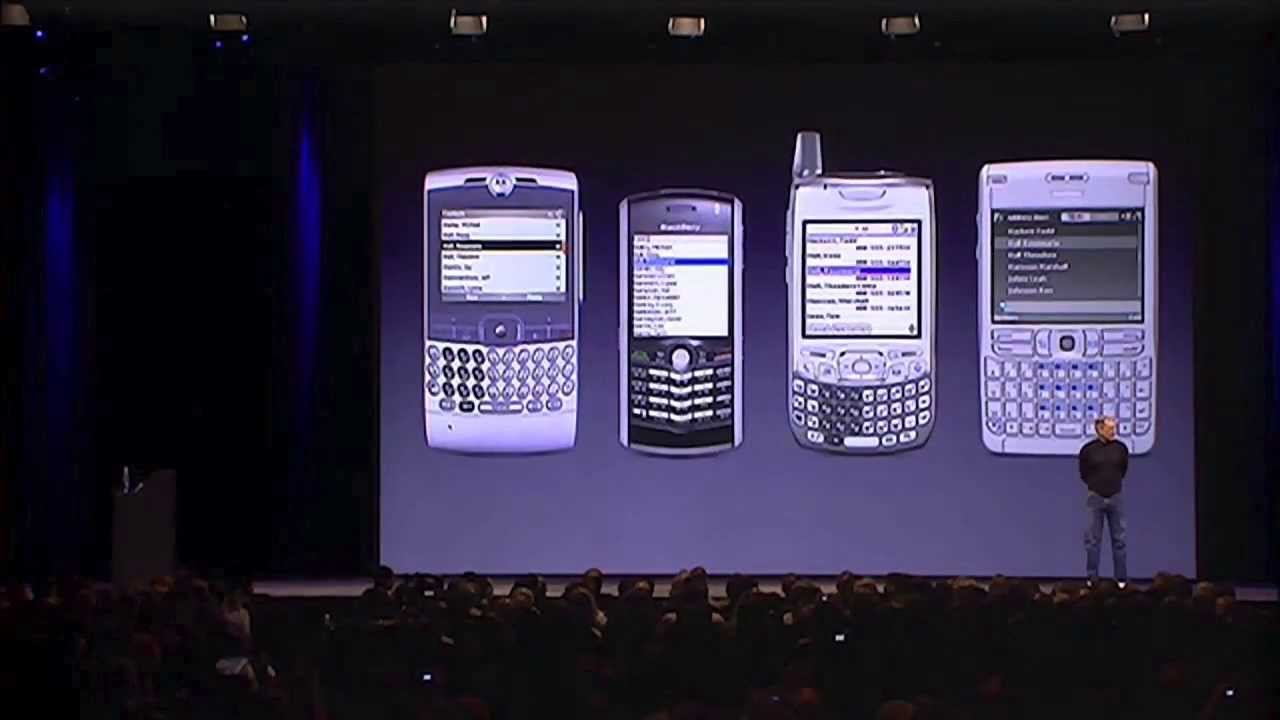
When the iPhone 1 was launched, it stood apart from other devices of its time, such as the BlackBerry and Nokia smartphones. Unlike the BlackBerry, which focused heavily on email and business applications, the iPhone provided a more robust multimedia experience. Compared to Nokia devices, which had physical keyboards, the iPhone’s touchscreen offered a modern, user-friendly interface.

The Evolution of the iPhone 1
Since its launch, the iPhone has evolved dramatically. Newer models have integrated faster processors, superior cameras, and innovative features like Face ID and advanced machine learning capabilities. However, the foundational elements established by the iPhone 1 remain influential in today’s smartphone design.
Complementary Tools to Enhance the iPhone 1
To maximize your experience with the iPhone 1, consider using complementary tools and applications. Here are 8 to 10 ideas that showcase how to elevate the usability of your device:
1. Use Spotify for Music Streaming
- Access millions of songs and albums on the go.
- Create personalized playlists to suit your tastes.
- Discover new music tailored to your preferences.
- Stream music without interruption during commuting.
2. Integrate with Dropbox for File Storage
- Store documents securely in the cloud and access them from anywhere.
- Share files quickly and easily with colleagues and friends.
- Collaborate on projects in real-time.
- Ensure that you have backups of important files.
3. Enhance Productivity with Trello
By using the iPhone 1 together with Trello, you will achieve more efficient results in project management. This tool’s intuitive interface allows users to create boards for organizing tasks and collaborating with teams, optimizing productivity.
4. Capture Memories Using Instagram
The camera of the iPhone 1 may not be as advanced as today’s models, but Instagram allows users to edit and share their photos seamlessly, enhancing the photographic experience.
5. Maintain Communication through Slack
Slack not only serves as a communication tool but also helps integrate with other applications, keeping your workflow organized directly from your iPhone 1.
6. Stay Organized with Google Keep
This note-taking application allows you to jot down ideas instantly and sync them across devices. It enhances your capability to keep track of your thoughts while on the move with the iPhone 1.
7. Connect with Meetup for Networking
Use Meetup to find local events or groups that match your interests, enriching your social experience while using the iPhone 1. You can network with people who share similar passions.
8. Improve Navigation with Google Maps
- Get precise directions wherever you go.
- Discover transit options or walking paths.
- Explore nearby places like restaurants and attractions.
- Access real-time traffic updates to avoid delays.
9. Use Canva for Design
Canva allows users to create stunning graphics and presentations, benefiting content creators who want to enhance visuals using their iPhone 1.
10. Track Fitness with MyFitnessPal
This app helps you manage your diet and fitness goals, ensuring that you stay healthy while maximizing the utility of your iPhone 1.
What Makes the iPhone 1 Unique?
The uniqueness of the iPhone 1 lies in its revolutionary rethinking of what a phone could accomplish. It combined countless features into a single device, making it the ultimate tool for lifestyle management and communication. Its continuing legacy can be seen in every smartphone released since.
The Future of Smartphones Post-iPhone 1
As we reflect on the impact of the iPhone 1, it’s critical to consider how it shaped the future of mobile technology. Each subsequent model has integrated more advanced computing power, machine learning capabilities, and user-friendly designs, emphasizing the user experience.
Conclusion
The iPhone 1 was a game-changer that set the stage for mobile devices as we know them today. Its features, groundbreaking design, and engaging user experience paved the way for future innovations. By integrating the iPhone 1 with complementary tools, users can further enhance their mobile experience, making their lives easier and more organized. Dive into this exciting world, and remember, the iPhone 1’s influence continues to ripple through the tech that surrounds us.
For further reading about the revolutionary impact of the iPhone on mobile technology, you can visit Wikipedia, or explore features in various blogs and tech sites. Don’t forget to maximize what you can do with your iPhone 1 by exploring the tool options we’ve discussed!
A Brief History of the iPhone 1
In June 2007, Apple revolutionized the mobile phone industry with the launch of the iPhone 1. This innovative device combined a phone, an iPod, and an internet communication device into one sleek gadget, marking a significant shift from previous mobile technology. 📱 Its introduction not only redefined the smartphone market but also set a new standard for future devices, ensuring that user experience, design, and functionality were prioritized.
Key Features of the iPhone 1
The iPhone 1 introduced several groundbreaking features that made it stand out in 2007:
- Multi-Touch Display: The iPhone 1 was the first to use a capacitive multi-touch screen, allowing users to interact with the device using multiple fingers, which enhanced navigation.
- iOS Operating System: Running on the iOS platform, the iPhone 1 provided a seamless user interface and access to various applications through the App Store.
- Camerawith Photo Capability: It included a 2 MP camera, enabling users to capture and share moments easily.
Comparative Analysis: Why the iPhone 1 Shines
When iPhone 1 launched, alternatives like the Nokia N95 offered competitive features. However, compared to the Nokia N95, the iPhone 1 stood out for its:
- Elegant and user-friendly interface
- Seamless integration with other Apple products and services
- Regular software updates and support
Using the iPhone 1 Effectively
To maximize the utility of the iPhone 1, consider integrating it with complementary tools. Here are 10 ways to enhance your iPhone 1 experience:
- iCloud: Utilize iCloud for automatic backup and synchronization of your data. Learn more about iCloud.
- Google Drive: For additional storage, Google Drive allows you to store files and access them on the go. Get Google Drive here.
- Spotify: For music lovers, integrating Spotify provides access to a vast library of songs, enhancing your iPhone media experience. Enjoy music wherever you go!
- Evernote: Use Evernote for note-taking and organization to help keep your ideas concise and organized.
- WhatsApp: Stay connected with friends and colleagues through WhatsApp for messaging and calls, especially on the go.
- Adobe Lightroom: Photo enthusiasts can enhance and edit their pictures using Adobe Lightroom to get professional-quality results.
- Slack: For workplace communication, leveraging Slack can significantly improve your productivity through organized conversations.
- Strava: Use Strava for tracking your fitness activities and connecting with other fitness enthusiasts. Explore Strava.
- Todoist: Keep track of tasks and prioritize your daily activities with Todoist, making your productivity soar.
- Headspace: Incorporate mindfulness practices into your daily routine with Headspace to maintain mental well-being.
Enhancing the iPhone 1 with Google Drive
Integrating Google Drive with your iPhone 1 not only increases storage capacity but also simplifies file access.
- Accessibility: Store all your essential documents in one place, accessible from any device.
- Collaboration: Share updates or work jointly on files in real-time with friends and colleagues.
- Backup: Easily back up important files without consuming space on your device.
- Offline Access: Sync files to use them even without an internet connection.
Boosting Fitness with Strava
Using Strava alongside your iPhone 1 can significantly enhance your fitness tracking and community engagement.
- Track Activities: Monitor your running, cycling, and swimming activities with precise GPS tracking.
- Join Challenges: Participate in various challenges to motivate yourself and others.
- Connect with Friends: Engage with a community of athletes and view their activities for inspiration.
- Analyze Performance: Review detailed metrics to improve your training outcomes.
The Legacy of the iPhone 1
The impact of the iPhone 1 continues to resonate even today. It laid the groundwork for future iterations, including the extended capabilities seen in current iPhone models.
Its unique combination of high functionality with a user-friendly design shifted how consumers perceive smartphones, leading to a massive change in the industry that emphasizes both productivity and entertainment.
The iPhone 1 Today
Although the technology landscape has evolved drastically since 2007, the foundational features of the iPhone 1 paved the way for the smartphone as we know it today. Today’s devices still maintain the essence of usability, design, and performance that the iPhone introduced.
If you are looking to explore smartphones, analyzing features from the iPhone 1 might just give you the essential insights into what to consider when choosing a current model. Its legacy helps understand the evolution of smartphone technology.
Concluding Thoughts on the iPhone 1
The iPhone 1 wasn’t just a product; it was a cultural phenomenon that changed how we communicate, work, and play. Understanding its features, integration with complementary tools, and how it set the stage for future innovation provides a valuable perspective to anyone interested in mobile technology. Whether you’re using it today or studying its history, the iPhone 1 remains a significant milestone in tech. So, dive deeper, explore its impacts, and appreciate the journey of modern smartphones!
For more information, consider visiting Wikipedia: iPhone for an in-depth understanding of the device’s history and its evolution through the years.
Understanding the iPhone 1: A Look Back at History
When the iPhone 1 launched in 2007, it marked a significant shift in how we interact with technology. 📱 It didn’t just redefine the smartphone; it set the stage for everything that followed. Let’s explore what made the iPhone 1 a groundbreaking device and examine how it influenced the evolution of mobile phones.
Technical Specifications of the iPhone 1
The specifications of the iPhone 1 were truly revolutionary for its time. It came equipped with:
- Display: 3.5-inch TFT capacitive touchscreen with a resolution of 320 x 480 pixels
- Internal Storage: Available in 4GB and 8GB variants
- Camera: 2 MP rear camera
- Operating System: Initially ran on iPhone OS 1
- Battery: 1400 mAh lithium-ion battery, providing up to 8 hours of talk time
Unlike many competitors of the time, the iPhone 1 combined a phone, an iPod, and an internet communicator into one device, making it exceptionally versatile.
The User Experience: Touch Interface and Design
The sleek, minimalist design of the iPhone 1 was complemented by its intuitive touch interface. Users quickly adapted to the absence of physical buttons, a feature that was remarkably innovative compared to other devices like the Blackberry. The fluidity of the interface allowed users to navigate easily, enhancing the overall user experience significantly.
Complementary Tools for Enhancing Experience
By using the iPhone 1 alongside other tools, users could enhance their overall experience. Here are some tools that can complement the iPhone 1:
Using Google Drive with the iPhone 1
By utilizing Google Drive, you can efficiently manage your documents on the go.
- Store your documents securely in the cloud for easy access.
- Edit and collaborate on documents in real-time with others.
- Access files from any device with an internet connection.
- Share large files easily without worrying about attachment limits.
Integrating Spotify with the iPhone 1
Spotify enhances your music experience on the iPhone 1 significantly. Here’s how:
- Listen to a vast library of songs from anywhere.
- Create and manage playlists to fit your mood.
- Discover personalized music recommendations based on your listening habits.
- Enjoy seamless music playback even during multitasking.
Why the iPhone 1 Stands Out
The iPhone 1 stands out for a multitude of reasons. Firstly, its design was not only aesthetically pleasing but also practical. The touchscreen technology was ahead of its time, promoting a shift from physical keyboards to a more fluid interface. This is particularly notable compared to other phones like the Motorola Razr, which primarily relied on buttons.
App Store Revolution
Another significant advantage of the iPhone 1 was the introduction of the App Store shortly after its release. This allowed third-party developers to create applications specifically for the iPhone, fostering innovation and diversity. The availability of apps expanded the phone’s functionality beyond basic tasks, making it a versatile tool for every user.
Impact on Communication and Social Interaction
The iPhone 1 changed how we communicate and interact socially. With apps like WhatsApp, users could send instant messages over the internet. This was a groundbreaking change compared to SMS or traditional phone calls, allowing for quicker and often free communication options.
Long-Term Influence on Mobile Technology
The iPhone 1 set a benchmark for future smartphones. Its emphasis on user experience and design influenced how subsequent devices were created, leading to the development of smartphones that boast high-end capabilities. Unlike early handheld devices that focused solely on practicality, the iPhone 1 prompted manufacturers to consider both form and function.
The Legacy of the iPhone 1
Today, the iPhone 1 is no longer in circulation, yet its influence persists. The concepts introduced in the iPhone 1 paved the way for devices that prioritize user experience and seamless integration of technology into daily life. When we look at the advancements in mobile technology today, it’s essential to acknowledge the foundational role that the iPhone 1 played.
Conclusion: The Enduring Relevance of the iPhone 1
Evidently, the iPhone 1 was not just a phone; it was a revolution. Its innovative features and user-centric design changed the landscape of mobile technology forever. While newer models have since emerged, the legacy of the iPhone 1 signifies a pivotal moment in technology history—one that shaped the devices we take for granted today.
The Impact of the iPhone 1 on Modern Smartphones
When the iPhone 1 was unveiled by Apple in 2007, it revolutionized the smartphone landscape. 📱 Its sleek design, intuitive interface, and robust features defined a new category of mobile devices that many still aspire to today. But what made the iPhone 1 stand out among its contemporaries? Let’s explore its defining characteristics and the lasting influence it has had on subsequent smartphone models.
Key Features of the iPhone 1
The iPhone 1 introduced several groundbreaking features that set the stage for future smartphone evolution. Here are the most notable:
- Multi-Touch Technology: The introduction of a touchscreen interface allowed users to navigate easily with finger swipes and pinches.
- Sleek Design: Its minimalist and stylish design redefined aesthetics in mobile technology.
- Internet Capability: With Wi-Fi and later cellular data capabilities, users could browse the web seamlessly, a significant departure from earlier devices.
- Integration of iOS: The launch of the iOS platform offered a user-friendly operating system that is still used today.
Understanding the User Experience with the iPhone 1
One of the aspects that made the iPhone 1 revolutionary was its focus on user experience. The intuitive interface allowed users of all ages to navigate the device easily. Unlike the complex menus of previous smartphones, Apple simplified the design, allowing users to find what they needed quickly. What’s more, the integration of applications meant people could expand their iPhone’s capabilities with a few taps.
The Role of Complementary Tools with the iPhone 1
While the iPhone 1 was a significant leap in technology, various complementary tools can enhance its functionality even further. Here are several tools that can be paired with the iPhone 1 for a superior experience:
1. Apple Music
By using Apple Music alongside the iPhone 1, you can easily manage and enjoy your music collection. This integration allows for:
- Access to a vast music library of over 75 million songs.
- The ability to create personalized playlists.
- Seamless synchronization across devices.
- Offline listening capabilities, ideal for on-the-go users.
2. Evernote
When paired with the iPhone 1, Evernote allows for effective note-taking and organization:
- Capture ideas and notes instantly with text or audio.
- Organize notes in notebooks for easy retrieval.
- Tagging feature helps in categorizing notes efficiently.
- Sync notes across multiple devices for easy access.
3. Google Maps
Using Google Maps on the iPhone 1 enhances your navigation experience:
- Real-time GPS navigation to find the quickest routes.
- Street view for discovering local areas.
- Public transport information integrated into the map service.
- Recommendations for nearby attractions and eateries.
4. Adobe Scan
Combine the power of the iPhone 1 with Adobe Scan for document scanning:
- Transform your iPhone 1 into a portable scanner.
- Automatic edge detection for perfect scans.
- Options to save scans as PDF or JPEG files.
- Cloud storage integration for easy access and sharing.
5. Zoom
With the rise of remote communication, Zoom enhances the capability of the iPhone 1:
- Join video calls effortlessly, promoting seamless communication.
- Record meetings for future reference.
- Screen sharing features enhance collaborative efforts.
- Virtual backgrounds add a fun element to professional meetings.
6. Slack
For team collaborations, using Slack alongside your iPhone 1 fosters connectivity:
- Real-time messaging keeps everyone in the loop.
- Integrates well with other work applications for enhanced productivity.
- Threaded conversations for organized discussions.
- Searchable history makes retrieving information fast and easy.
7. Dropbox
Using Dropbox with the iPhone 1 can help store and share files conveniently:
- Easy access to files on the go.
- Simple file sharing with colleagues or friends.
- Sync across devices to ensure you have the latest versions.
- File recovery options enhance data security.
8. Google Assistant
Combine the iPhone 1 with Google Assistant for a smart assistant experience:
- Manage daily tasks by setting reminders and alarms easily.
- Get answers to questions directly through voice commands.
- Control smart home devices efficiently.
- Utilize calendar integration to keep track of events.
9. FaceTime
While the iPhone 1 supports FaceTime, using it effectively enhances your communication:
- Easily connect with other Apple users for video calls.
- High-quality video and audio that make conversations engaging.
- Share your screen for better interaction during calls.
- Group calling feature allows multiple participants.
10. Instagram
The social media application Instagram captures moments effortlessly with your iPhone 1:
- Share photos and videos directly from your device.
- Explore creative filters to enhance visuals.
- Connect with friends and discover new content globally.
- Utilize Instagram Stories for real-time sharing.
The Legacy of the iPhone 1
The release of the iPhone 1 marked the beginning of a new era in mobile technology. It set a precedent for future smartphones in design, functionality, and user experience. This legacy continues to influence manufacturers, encouraging them to integrate innovative features that enhance ease of use. The revolution started with the iPhone 1 remains significant in guiding technological advancements today.
Final Thoughts on the iPhone 1
The iPhone 1 holds a unique place in the history of smartphones, not just as a device, but as a cultural icon that continues to shape how we interact with technology. Its powerful features, unparalleled user experience, and extensive utility alongside complementary tools lead it to remain a significant point of reference in discussions about smartphone evolution.
