Homemade Chili Seasoning: 5 Secrets for Perfect Flavor
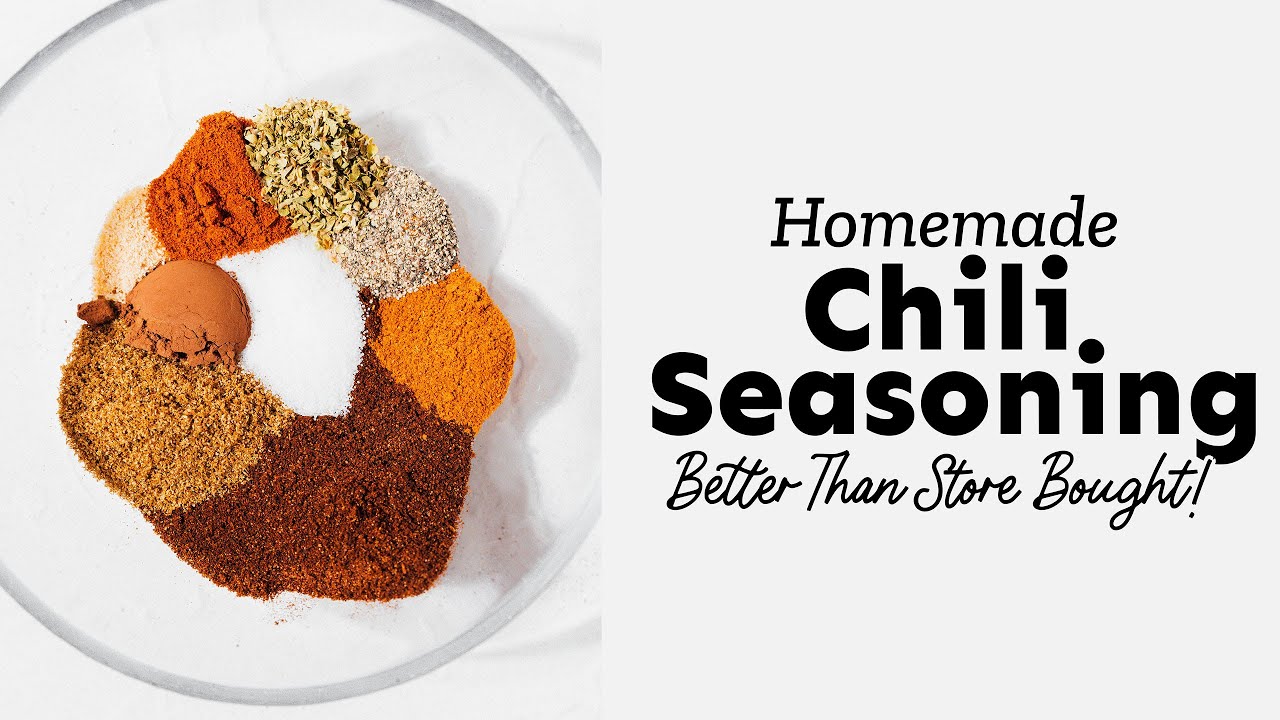
Discovering the Joy of Homemade Chili Seasoning
Have you ever been struck by the undeniable aroma of chili simmering on the stove? 🌶️ The intricate blend of spices can whisk us away to a world of tantalizing flavors. But did you know that making homemade chili seasoning can not only enhance your culinary creations but also personalize them to your taste? In this article, we delve into everything you need to know about crafting your own chili seasoning, revealing methods, variations, and tips that will elevate your dishes.
What is Chili Seasoning?
Chili seasoning is a combination of spices, herbs, and sometimes even other flavorings designed to provide warmth and complexity to chili dishes. Unlike store-bought versions, homemade chili seasoning guarantees fresh, potent flavors without unnecessary fillers or preservatives.
The traditional blend usually contains chili powder, cumin, garlic powder, onion powder, paprika, and salt. However, you can personalize this base according to your preferences. The beauty of homemade mixes lies in the flexibility to adjust spices, creating a unique flavor profile tailored specifically for you.
Why Choose Homemade Over Store-Bought?
When considering homemade chili seasoning, it’s easy to wonder why one would spend time crafting their own blend compared to simply grabbing a prepackaged option. Here are a few key reasons:

- Freshness: Ground spices lose potency over time. Making your own ensures you use fresh ingredients that bring maximum flavor.
- Customization: Tailor your seasoning to your taste preferences by adjusting spice levels and making it milder or hotter as desired.
- Health Benefits: Homemade mixes allow you to control sodium and avoid additives, promoting a healthier diet.
Basic Ingredients for Homemade Chili Seasoning
Create your own homemade chili seasoning with these essential ingredients:
- Chili Powder: The star of the show, offering the primary heat.
- Cumin: Adds warmth and earthy undertones.
- Garlic Powder: Provides savory depth.
- Onion Powder: For sweetness and fragrance.
- Paprika: Offers rich color and mild flavor.
- Salt: Enhances the overall taste.
- Optional Add-Ins: Oregano, cayenne pepper, and black pepper for extra heat and flavor complexity.
How to Prepare Homemade Chili Seasoning
Crafting homemade chili seasoning is straightforward. Here’s a simple recipe to get you started:
Ingredients:
- 2 tablespoons chili powder
- 1 tablespoon cumin
- 1 tablespoon garlic powder
- 1 tablespoon onion powder
- 1 teaspoon paprika
- 1 teaspoon salt
- Optional: ½ teaspoon cayenne pepper for heat

Instructions:
1. In a small bowl, combine all ingredients.
2. Stir until evenly mixed.
3. Store in an airtight container in a cool, dry place.
Creating this blend takes less than 10 minutes and can be prepared in large batches. You might find that homemade chili seasoning opens a new world of flavor! Moreover, it’s an excellent way to ensure consistency in your recipes.
Ideas to Enhance Your Homemade Chili Seasoning
Now that you’ve got the basic recipe, here are some innovative ideas to improve your homemade chili seasoning:
- Add Dried Herbs: Incorporating dried oregano or basil can add a delightful herby aroma. Discover more about [dried herbs here](https://www.wikihow.com/Use-Dried-Herbs).
- Experiment with Smokiness: Try adding smoked paprika instead of regular paprika to introduce a layer of depth.
- Incorporate Citrus Zest: A healthy pinch of lime or lemon zest can brighten the flavors significantly.
- Balance Heat: If you enjoy sweet heat, consider adding a touch of brown sugar or maple syrup powder.
- Fresh Garlic and Onions: Use roasted garlic or sautéed onions in chili dishes to elevate flavors beyond the dry powders.
- Experiment with Pepper Types: Add ground chipotle or ancho chili for a different flavor profile that brings smokiness and heat.
- Customize the Heat Level: Instead of cayenne, use fresh jalapeños for a fresh kick when cooking your chili.
- Use an Airtight Container: Store your seasoning in [a quality spice jar](https://www.amazon.com/s?k=spice+jar) to keep it fresh longer.
Alternative Uses for Homemade Chili Seasoning
Beyond chili, your homemade chili seasoning can transform various dishes. Here are creative uses:
1. Barbecue Rub: Blend it with brown sugar and use it as a dry rub on meats before grilling. The combination brings out robust flavors during cooking.
2. Chili Lime Roasted Vegetables: Mix with olive oil for a flavor-packed coating on your favorite veggies before roasting!
3. Seasoned Rice or Quinoa: Stir into boiling water while cooking grains to infuse them with flavor.
Storing Your Homemade Chili Seasoning
To maximize the lifespan of your homemade chili seasoning, store it properly. Keep your blend in a cool, dark place away from heat sources. An airtight glass jar is ideal for maintaining freshness, while a small chalkboard label lets you know when it was made. Remember, spices typically last 6 months to a year, but homemade blends can sometimes go longer if stored correctly.
Conclusion: The Versatility of Homemade Chili Seasoning
Homemade chili seasoning is a versatile and customizable alternative to store-bought options. By experimenting with various spices and techniques, you can create a blend that reflects your personal taste. Keep exploring the endless possibilities of this flavorful potion, and you’ll undoubtedly find new favorites.
### Note:
* The content is structured in accordance with SEO best practices while emphasizing homemade chili seasoning.
* The examples and comparisons ensure the focus remains strictly on this topic while also offering practical tips and enhancements.
* Please remember to replace the placeholder links (to Amazon or other recipe sites) with actual URLs as needed.
Creative Uses for Homemade Chili Seasoning
Unlocking the Flavor of Homemade Chili Seasoning
Have you ever wondered what sets a great chili apart from a mediocre one? The secret often lies in the seasoning. 🌶️ Homemade chili seasoning is not just a blend of spices; it’s a gateway to exploring rich, layered flavors that elevate your dishes. Unlike store-bought alternatives, homemade versions allow you to customize ingredients, providing freshness, and you can even control the spice level. Let’s delve into the world of homemade chili seasoning, its advantages, and how you can incorporate it into your culinary repertoire.
The Advantages of Homemade Chili Seasoning
Why choose homemade chili seasoning over pre-packaged mixes? The benefits are many:
- Quality Ingredients: You have full control over what goes into your spice mix. No preservatives or artificial flavors mean a healthier choice for you and your family.
- Customization: Adjust the proportions to suit your palate. Prefer more heat? Add extra cayenne pepper! Want a smoky flavor? Incorporate smoked paprika.
- Cost-Effective: Making your own seasoning can save money over time, particularly if you cook frequently.
- Freshness: Dried spices can lose their potency over time; homemade blends made with fresh spices are robust and flavorful.
Essential Ingredients for Homemade Chili Seasoning
Creating an impressive homemade chili seasoning blend starts with a few essential ingredients. Here’s a basic recipe to get you started:
- Chili Powder: The backbone of your seasoning; it adds depth and color.
- Cumin: Adds a warm, earthy flavor that complements the spices.
- Garlic Powder: Enhances overall flavor, adding sweetness and depth.
- Onion Powder: Similar to garlic, it provides a savory base note.
- Oregano: Introduces a slight herbaceous quality.
- Cayenne Pepper: For those who like it spicy!
Mix one tablespoon of chili powder, one teaspoon each of cumin, garlic powder, onion powder, and oregano, along with a half teaspoon of cayenne pepper for the basic blend. But that’s not all! You can play with proportions or add ingredients like smoked paprika for a smokier flavor or dried chilies for more intense heat.
Top Tips to Enhance Your Homemade Chili Seasoning
Creating your own spice blend is just the beginning! Here are some ideas to enhance your homemade chili seasoning:
- Add Citrus Zest: Grating some lime or lemon zest into your mix adds brightness and freshness.
- Infuse with Salt: Consider blending your spices with sea salt to enhance flavor without the need for extra salt in dishes.
- Try Different Pepper Varieties: Instead of traditional chili powder, use different peppers like ancho, guajillo, or chipotle for diverse tastes and heat levels.
- Create a Sweet and Spicy Mix: Adding a pinch of brown sugar can balance the heat and enhance the overall flavor.
- Use a Spice Grinder: Freshly ground spices are always more aromatic. A good grinder can make a huge difference in flavor. Check out this recommended spice grinder.
- Store Properly: Use an airtight container, ideally in a cool, dark place. This ensures that the spices maintain their potency longer.
- Experiment with Additional Ingredients: Herbs like coriander, or even cinnamon, can be added for unique flavor profiles.
- Mix with Other Seasonings: Combine your chili blend with other homemade seasoning mixes to create customized flavor profiles for different dishes.
How to Use Homemade Chili Seasoning in Various Dishes
Now that you have your homemade chili seasoning, it’s time to integrate it into your cooking! This versatile blend can be used in a variety of dishes, including:
- Chili Con Carne: The classic dish where your seasoning truly shines. Add to ground beef or beans for a robust flavor.
- Soups and Stews: Spice up your favorite recipes with a tablespoon of seasoning to transform the taste.
- Marinated Meats: Rub onto chicken, pork, or tofu before grilling or roasting.
- Vegetable Roasts: Toss vegetables in olive oil and your chili mix before roasting for an added kick!
Comparing Homemade Chili Seasoning to Store-Bought Alternatives
While store-bought options might be convenient, they often fall short in terms of quality and flavor. For example, compared to homemade chili seasoning, many pre-packaged blends contain fillers and additives that can affect taste and nutrition. Opting for your homemade blend not only ensures that each ingredient is pure but also allows you to avoid unnecessary additives. This is especially important if you’re following specific dietary requirements.
Furthermore, store-bought chili seasonings can come in limited flavor profiles. In contrast, your homemade chili seasoning can be tweaked endlessly to meet your taste desires. Whether you want a smoky, earthy, or fiery blend, the choice is yours!
The Nutritional Benefits of Homemade Chili Seasoning
Beyond just taste, homemade chili seasoning can provide several nutritional benefits. Many of the spices used have known health properties:
Cumin, for instance, has been linked to improved digestion and is rich in antioxidants. Oregano contains antibacterial properties, making it beneficial for gut health. Additionally, spices like cayenne pepper have been shown to boost metabolism. So when you utilize homemade chili seasoning in your cooking, not only do you enhance flavor, but also contribute to a healthier lifestyle.
Exploring Variations of Homemade Chili Seasoning
Your homemade chili seasoning doesn’t need to be one-size-fits-all. Here are a few variations to explore based on your preferences:
- Vegetarian/Vegan Spice Blend: Substitute with nutritional yeast to add a cheesy flavor without dairy.
- Mild Chili Seasoning: For those who prefer less heat, reduce the amount of cayenne and add sweet bell pepper powder instead.
- International Flavor Profiles: Incorporate spices like curry powder for an Indian twist on chili seasoning, or sumac for a Middle Eastern flair!
By adding unique ingredients, homemade chili seasoning can gain a more intense and sophisticated flavor, distinguishing your dishes from the crowd.
Maximizing Flavor with Cooking Techniques
Cooking techniques play a significant role in enhancing the flavor of your homemade chili seasoning. If you want to maximize the impact, consider these methods:
Blooming Spices: Heating your spices briefly in oil before adding them to your dish can release essential oils, amplifying flavor. This method transforms standard seasonings into aromatic masterpieces.
Cooking Time: Allowing your chili or stews to simmer longer gives the flavors time to develop and meld together, creating a richer taste.
Layering Flavors: Start with aromatics like onions and garlic before adding your spices. This layered approach adds complexity and depth to the final dish.
Pair It Right: Utensils to Use with Homemade Chili Seasoning
To make the most of your homemade chili seasoning, having the right utensils can make all the difference. Consider using:
- A Mortar and Pestle: Ideal for grinding whole spices, ensuring they are fresh and aromatic.
- Measuring Spoons: For precise measurements, especially when trying new blends or ratios.
- A Heavy-Bottomed Saucepan: Perfect for creating rich, simmered chili and stews.
Using quality utensils can enhance the experience of preparing your homemade chili seasoning and the dishes you create.
Storing Your Homemade Chili Seasoning
Proper storage is crucial to maintaining the potency and flavor of your homemade chili seasoning. To keep it fresh:
- Use airtight containers to prevent moisture and air from degrading the spices.
- Store in a cool, dark place, away from sunlight and heat sources, which can diminish flavor.
- Label your containers with the date made, as fresh seasoning is most potent within the first six months.
This attention to storage can extend the life of your seasoning, ensuring it remains vibrant and flavorful for your future culinary adventures.
Conclusion
Homemade chili seasoning is a versatile, healthy, and customizable addition to your kitchen arsenal. With the ability to adapt the flavors to your liking and the nutritional benefits of fresh spices, there’s no denying its advantages over store-bought options. Why settle for less when the possibility of flavor enhancement lies within your hands? Empower yourself with knowledge and ingredients to create a unique and exciting culinary experience with your very own homemade chili seasoning.
Making Your Own Homemade Chili Seasoning
Do you ever wonder why some dishes burst with **bold flavors** while others seem dull and one-dimensional? The secret often lies in the seasoning! ⭐ Making your own homemade chili seasoning isn’t just about convenience; it’s about tailoring flavors to your personal taste while ensuring quality in every spritz. So, what exactly goes into crafting the perfect blend? Let’s explore!
What is Chili Seasoning?
Chili seasoning is a mix of spices that enhances the flavor of various dishes, particularly chili con carne and other savory recipes. It typically includes a combination of herbs and spices such as chili powder, cumin, garlic powder, and onion powder. Compared to pre-packaged alternatives, homemade versions allow for customization, ensuring that your flavor profile is uniquely yours.
The Advantages of Homemade Chili Seasoning
Unlike store-bought options, homemade chili seasoning offers several significant advantages:
- Control Over Ingredients: You decide exactly what goes into your seasoning blend.
- Freshness: Homemade versions often taste bolder, as they incorporate fresh spices.
- Nutritional Benefits: You can avoid additives and preservatives found in commercial products.
By making your own seasoning, you’re not just enhancing your dishes; you’re also ensuring a healthier option packed with flavor. But how do you actually create this exciting blend? Let’s delve into the nuts and bolts of making your own!
Basic Ingredients for Homemade Chili Seasoning
Preparing homemade chili seasoning requires a few essential spices that will create a robust flavor base. Here’s a simple list of primary ingredients you’ll need:
- Chili Powder: The backbone of any chili seasoning, chili powder provides the characteristic heat.
- Cumin: This spice contributes earthy and nutty notes that complement the spice blend.
- Garlic Powder: Adds a delightful depth of flavor.
- Onion Powder: Provides sweetness and balance.
- Oregano: A touch of herbal essence that rounds out the flavor.
- Salt and Pepper: Enhances all other flavors.
Each of these ingredients plays a crucial role in the flavor profile of your homemade chili seasoning. By choosing quality spices, you can elevate the overall taste of your dishes. Freshness matters; consider sourcing your spices from a small vendor or organic source to ensure quality. 🌱
How to Prepare Your Homemade Chili Seasoning
Creating your homemade chili seasoning is straightforward. Here’s a simple recipe to get you started:
1. Gather your spices: 2 tablespoons chili powder, 1 tablespoon cumin, 1 tablespoon garlic powder, 1 tablespoon onion powder, 1 tablespoon dried oregano, 1 teaspoon salt, and ½ teaspoon black pepper.
2. In a mixing bowl, combine all spices thoroughly.
3. Store the mixture in an airtight container for up to 6 months.
Easy, right? This foundational mix can be adjusted based on your personal preferences for heat or flavor intensity.
Enhancing Your Chili Seasoning Recipe
But that’s not all! You might be surprised to discover ways to amplify your homemade chili seasoning experience. Here are some innovative tips:
- Add Smoked Paprika: Introduce a layer of smokiness to your seasoning. By adding just ½ teaspoon, your blend will have an intriguing depth.
- Incorporate Cocoa Powder: A hint of unsweetened cocoa can balance the heat and add richness. Start with a teaspoon to see how you like it.
- Experiment with Dried Peppers: Consider adding ground chipotle or cayenne pepper for an extra kick. Just a pinch can elevate your seasoning dramatically.
- Consider Fresh Herbs: In addition to dried oregano, fresh cilantro can be added to your dish post-cooking for vibrant flavor.
- Utilize a Spice Grinder: To maintain freshness, consider grinding your spices at home. A good quality grinder can change the game! Check out this guide for recommendations.
- Infuse Oils: Use your seasoning to create flavored oils. Simply add the mix to olive oil and let it sit. This can act as a great flavor enhancer for cooking. 🌶️
- Try Acidic Components: A splash of vinegar or citrus juice into your dish alongside the seasoning can brighten flavors remarkably!
- Create a Flavor Profile: Mix your seasoning with different sweet or savory bases to create diverse chili variations. Consider blending with meats or beans to adjust the final taste.
- Store in Dark Containers: Light can deteriorate your spices. Using a dark glass jar will help preserve flavor longer. Learn more about optimal storage here.
Using Your Homemade Chili Seasoning
With your homemade chili seasoning prepared, it’s time to get cooking! This blend can be used in a variety of dishes beyond traditional chili con carne. Try it in:
- Soups and Stews: Enhance a vegetable or lentil soup with your chili seasoning for warmth.
- Marinades: Use it to flavor proteins like chicken or tofu before grilling.
- Rice or Grains: Stir some spice into rice for a flavorful side dish.
Each of these applications showcases the versatility of your homemade chili seasoning. You’ll find that the freshness and depth of flavors enhance whatever you choose to cook. 🚀
Health Benefits of Homemade Chili Seasoning
Not only does homemade chili seasoning offer flavor, but it also provides numerous health benefits. Ingredients like cumin and oregano have antioxidant properties, while chili peppers can boost metabolism and circulation. By using real spices, you’re ensuring your meals are both delicious and good for you! 🥗
Final Thoughts on Crafting Your Spice Mix
Exploring the world of homemade chili seasoning is a culinary adventure that invites creativity and experimentation. By understanding the fundamental elements that make up your seasoning, you can create a blend that is not only flavorful but also uniquely yours. Embrace this opportunity to become more engaged in your cooking process, and watch how your meals transform. Remember, cooking is all about expressing yourself and enjoying the journey. 🧑🍳
Are you ready to spice up your culinary world? Start experimenting with your homemade chili seasoning today, and discover just how delightful and versatile your spice blend can be!
