RELIGION

Glossolalia: 7 Fascinating Insights You Need to Know
Understanding Glossolalia: The Phenomenon of Speaking in Tongues

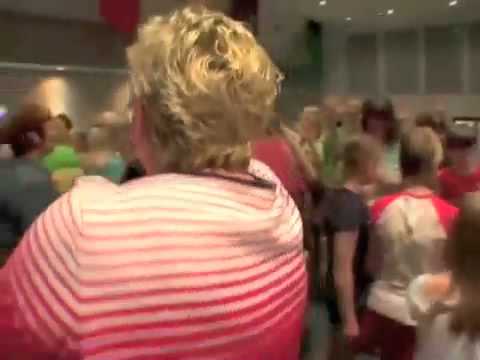
Have you ever witnessed a fervent speech in a vibrant setting where individuals communicate in a language that seems unfamiliar? This phenomenon is known as glossolalia 🗣️, or more commonly referred to as “speaking in tongues.” It evokes a sense of fascination and curiosity, often drawing people into discussions surrounding its meanings, significance, and impact on personal and communal experiences.

What is Glossolalia?

Glossolalia involves the occurrence of spontaneous speech that resembles a language but lacks the structured rules of grammar or syntax found in recognized languages. This phenomenon is seen across various cultures and is often linked to religious practices, particularly within Pentecostal and charismatic movements.

While some view it as a divine gift or evidence of spiritual activity, others perceive it through a psychological or sociolinguistic lens. Understanding glossolalia goes beyond its definition, encompassing its implications, sociocultural contexts, and the individual experiences tied to it.

Historical Context of Glossolalia

The concept of glossolalia has historical roots in early Christianity, as evidenced in the New Testament during events such as Pentecost (Acts 2:1-4). Here, followers of Jesus spoke in various tongues, understood by people from diverse backgrounds. Over centuries, glossolalia has re-emerged in different religious and spiritual contexts, often during ecstatic experiences or as a form of prayer.

For instance, ancient rituals in various cultures have showcased similar practices, demonstrating that speaking in tongues isn’t solely a religious phenomenon but has been part of human expression across eras.

The Psychology Behind Glossolalia

Many wonder what motivates individuals to communicate in glossolalia. Psychological studies suggest various theories. One notion is that it allows for emotional release or catharsis, creating a connection between an individual and their spirituality. This behavior may lead to feelings of euphoria and strengthens community bonds.

Through neurological research, it has been noted that certain brain patterns emerge during glossolalia. Engaging in this practice may produce altered states of consciousness, allowing individuals to step outside ordinary experiences.

Glossolalia in Religious Practices

Within religious contexts, glossolalia often serves as a medium for believers to express their devotion and connection to the divine. In many charismatic Christian denominations, speaking in tongues is viewed as a spiritual gift, enhancing personal prayer life and collective worship experiences.

Compared to traditional forms of prayer, glossolalia can create a unique environment that fosters intimacy with the divine. Participants often report heightened emotions and deeper connections to their faith, thus enriching their spiritual journeys.

The Benefits of Glossolalia in Worship Settings

  • Enhances personal expression of faith.
  • Facilitates a profound communal experience during worship.
  • Promotes emotional healing through deliberate expression.
  • Creates a deeper sense of belonging within spiritual communities.

Complementary Tools to Enhance Your Glossolalia Experience

Utilizing glossolalia effectively can be enhanced through various tools that deepen understanding and participation. Below are several instruments and methods that complement glossolalia, offering richer spiritual experiences:

1. Meditation Apps

Combining glossolalia with meditation can lead to an enriched state of mindfulness. Using apps like Headspace or Calm helps foster relaxation and prepares the mind for deeper spiritual encounters.

2. Music and Worship Playlists

Integrating music can enhance your experience with glossolalia. Platforms such as Spotify offer curated worship playlists that provide atmospheric backgrounds for spiritual expression.

  • Variety of genres catering to different worship styles.
  • Ease of access to vast music libraries.
  • Ability to create personalized playlists tailored to your spiritual journey.
  • Collaboration features allow sharing experiences with friends.

3. Virtual Community Platforms

Engaging with others via online platforms can augment your glossolalia experience. Using forums and social media groups specifically for spirituality allows sharing experiences and insights.

4. Prayer Journals

Keeping a prayer journal helps document profound encounters and understanding during glossolalia. Writing out feelings can provide clarity and reflection over time.

5. Online Courses

Consider enrolling in online courses that focus on spirituality, particularly those that touch on glossolalia. This expanded knowledge can enhance personal insights and experiences.

6. Language Learning Tools

While glossolalia may not directly correlate with learning a language, tools such as Duolingo can sharpen auditory skills, which may translate well into recognizing different tongues during worship.

7. Audio Recorders

Using audio recorders to capture glossolalia experiences allows for personal reflection and critique. Listening back can reveal evolving patterns, enhancing the journey of understanding.

8. Art Supplies

Expressing feelings through art complements glossolalia beautifully. Art supplies facilitate another form of expression that can enhance spiritual engagement.

  • Art can provide a visual representation of experiences.
  • Engages different cognitive skills compared to verbal expression.
  • Can be shared with communities fostering group expressions of spiritual states.
  • Visuals can serve as prayer reminders and reflections.

9. Support Groups

Joining support groups that discuss glossolalia can provide a platform where individuals share stories and experiences, promoting understanding and community.

10. Spiritual Retreats

Participating in retreats focuses exclusively on spiritual growth can immerse you deeply in practices surrounding glossolalia, creating an environment where one feels safe to explore this facet of spirituality.

Common Misconceptions about Glossolalia

Glossolalia often faces skepticism, but understanding these misconceptions can enhance awareness of its true purpose. Below are some common myths:

  • It is not a universal practice limited to Christianity; various cultures exhibit similar traits.
  • Glossolalia is not purely emotional but is rooted in authentic experiences.
  • Individuals practicing glossolalia do not have to be “religious”; it can be a personal spiritual expression.
  • It doesn’t necessitate proficiency in any known language.

Conclusion: Embracing the Journey of Glossolalia

Through understanding and utilizing glossolalia alongside various complementary tools, individuals can cultivate a rich and meaningful spiritual experience. The potential for personal growth, community connection, and expression in glossolalia is vast. Embrace the journey ahead and explore how this powerful form of expression can enhance your spiritual endeavors, allowing for a more profound understanding of yourself and your relationship with the divine.


The Historical Roots of Glossolalia

Glossolalia, also known as “speaking in tongues,” is a fascinating phenomenon with deep historical roots. It is the practice of speaking in an unknown language, often during religious rituals or spiritual experiences. This mystical form of expression has been found in various cultures and religious traditions around the world, dating back to ancient time. 🕊️

The term “glossolalia” originates from the Greek words glōssa, meaning “tongue,” and lalia, meaning “speech.” The practice gained extensive visibility within the Christian faith, particularly during the early 20th century with the Pentecostal movement. Unlike other spiritual practices, glossolalia stands out due to its spontaneous nature and ability to foster a unique connection with the divine.

Many scholars have studied the social and psychological aspects of glossolalia. Research indicates that this practice can enhance spiritual experiences and foster community by providing individuals with a means of expressing their faith in a profound, personal way. As we explore the implications and uses of glossolalia, it becomes evident that its impact transcends mere verbal communication.

Understanding the Mechanics of Glossolalia

At its core, glossolalia involves a distinctive approach to verbalizing feelings and emotions. Unlike structured speech or language, glossolalia flows naturally and often seems unrecognizable. This raises a question: how does one achieve this state? While each individual’s experience may vary, there are common threads.

Typically, individuals may enter into glossolalic speech through specific exercises or spiritual practices. Many practitioners find that meditation or prayer serves as a gateway for spontaneous glossolalia. These practices create a calming atmosphere, inviting a sense of surrender, enabling individuals to transcend linguistic barriers.

Glossolalia vs. Other Spiritual Expressions

While glossolalia is often framed within the context of Christian spirituality, it’s essential to recognize that other religious practices also utilize forms of ecstatic speech or trance states. For instance, Shamanistic cultures feature drumming and chanting to enter altered states of consciousness. However, glossolalia distinguishes itself through its lack of recognizable structure and formal language.

Compared to structured prayer or meditation, glossolalia emerges as a more spontaneous expression of faith. Unlike other religious experiences, glossolalia often emphasizes personal connection, enabling individuals to communicate with the divine in a raw and unfiltered manner.

The Spiritual Benefits of Glossolalia

Engaging in glossolalia offers a multitude of spiritual benefits. Research suggests that this practice can significantly enhance emotional well-being and facilitate a deeper sense of community among practitioners.

  • Emotional Release: Many individuals report feeling a sense of catharsis through glossolalia, releasing pent-up emotions during moments of ecstatic speech.
  • Deepened Faith: Practicing glossolalia can strengthen an individual’s connection to their faith, allowing for a more profound spiritual experience.
  • Community Building: Glossolalia often occurs in group settings, fostering a sense of belonging among practitioners.
  • Stress Relief: Engaging in glossolalic speech can promote relaxation and reduce stress levels.

Overall, glossolalia encourages practitioners to engage with their faith profoundly and authentically. This unique form of expression can enhance spiritual journeys while creating a sense of unity among participants.

Complementary Tools to Enhance Glossolalia

While glossolalia stands out as a powerful spiritual tool on its own, there are several complementary practices and tools that can enhance its benefits. From meditation apps to community gatherings, these can enrich the experience of glossolalic speech. Here are some ideas on how integrating these elements can provide greater benefits:

1. Meditation Apps

Meditation applications such as Headspace or Calm can provide guided sessions that prepare individuals for glossolalia by fostering a quiet mind and encouraging a receptive spirit. Combining meditation with glossolalia promotes deeper connection and understanding.

2. Group Retreats

Participating in spiritual retreats or community gatherings can amplify the effects of glossolalia. These collective experiences create a nurturing environment where individuals can practice together, share insights, and strengthen their spiritual bonds.

  • Shared Experiences: Bonding with others around the practice fosters connection and encouragement.
  • Facilitated Guidance: Expert-led retreats often provide a framework for safe exploration of glossolalia.
  • Holistic Learning: Combined practices such as yoga or breathwork can deepen the overall experience.
  • Creating Community: Attending these retreats builds lasting relationships with fellow practitioners.

3. Musical Accompaniment

Incorporating music or live instruments can create an uplifting environment conducive to glossolalia. Many practitioners find that rhythmic sounds enhance their ability to enter a transcendent state. Collaborative musical sessions can convert individual experiences into communal celebrations.

4. Language Learning Resources

Utilizing language programs, such as Duolingo, can help individuals explore new languages. Understanding linguistic structures may offer insight into the power behind glossolalia and help practitioners appreciate its uniqueness.

5. Journaling Practices

Keeping a journal encourages reflection and introspection after glossolalic sessions. Documenting experiences can clarify thoughts and emotions, helping individuals recognize patterns or significant revelations. A journaling habit can amplify the benefits of glossolalia by promoting accountability and awareness.

6. Online Support Groups

Joining online forums or social media groups dedicated to glossolalia, such as those on Facebook, allows practitioners to connect, share experiences, and offer mutual support. It fosters a collaborative environment while encouraging personal growth.

7. Breathwork Techniques

Engaging in breathwork techniques can enhance the overall experience during glossolalia. Breath control encourages relaxation and can set the stage for spontaneous speech and deeper communication with spiritual realms.

8. Inspirational Books

Reading books focused on spirituality or glossolalia can offer new perspectives and insights. Titles such as “The Tongue: A Biblical and Historical Perspective” can reveal dimensions of **glossolalia** that practitioners may find inspiring. 📚

  • Diverse Perspectives: Explore various interpretations of glossolalia across cultures and religions.
  • Practical Techniques: Gain insights into effective practices from experienced practitioners.
  • Historical Context: Understanding the historical roots enriches the experience.
  • Community Recommendations: Engage with suggestions from fellow spiritual travelers.

9. Charitable Involvement

Choosing to engage in charitable activities as a group can solidify bonds among practitioners while embodying the principles of kindness and compassion associated with spiritual beliefs. Acts of service can provide meaning and fulfillment that enhances the experience of glossolalia.

10. Expressive Art Forms

Incorporating art—such as painting, dance, or creative writing—into spiritual practice can complement the emotional depth of glossolalia. Expressing experiences visually or through movement can facilitate a broader understanding of personal revelations gained through ecstatic speech.

Common Misconceptions About Glossolalia

Despite its profound impact, glossolalia often faces several misconceptions that can deter individuals from exploring its benefits. Here, we address some common myths:

  • It’s Only for Charismatic Christians: While it’s prevalent within that community, glossolalia is practiced across diverse cultures and religions.
  • It Requires Special Training: Anyone can engage in glossolalia without extensive preparation or knowledge of foreign languages.
  • It’s a Form of Mental Illness: Many practitioners enjoy mental wellness and personal growth through the practice; it is not indicative of psychiatric issues.
  • It’s Not a Spiritual Experience: For many, glossolalia serves as a direct channel to the divine, enriching their spiritual journeys.

Conclusion: The Potential of Glossolalia

In conclusion, glossolalia offers a unique and transformative opportunity for spiritual exploration. By utilizing complementary tools and practices, practitioners can enhance their glossolalic experiences, leading to deeper personal insights and connections within their communities. Embracing this practice allows individuals to connect with their spirituality authentically while fostering a sense of belonging among fellow practitioners.

Exploring the Dynamics of Glossolalia

Have you ever experienced a moment when words fail you, yet the expression of thoughts transcends language? That is the beauty of glossolalia 🌟, often referred to as “speaking in tongues.” In this article, we will explore its significance, implications, and how to enhance its transformative potential.

Understanding Glossolalia

Glossolalia is a phenomenon often associated with spirituality and religious practices, where individuals speak in languages unknown to them, typically during ecstatic experiences. This act can be seen across various cultures and religions, making it an intriguing subject for both anthropologists and theologians alike.

Historical Context

The origins of glossolalia can be traced back to ancient cultures, where it was regarded as a way to communicate with the divine. Early Christian texts reference glossolalia as a spiritual gift for believers (1 Corinthians 12:10), linking it to a deeper connection with God. This practice also appears in other religious traditions, such as Hinduism and certain indigenous cultures.

Modern Interpretations

Today, dissociation is less about religious conviction and more an exploration of human consciousness. Many people engage in glossolalia as an expression of their spirituality without necessarily adhering to a particular faith tradition. This shift invites new understandings and applications of the practice in therapeutic settings and personal development.

Cultural Perspectives on Glossolalia

Globally, glossolalia shines as a cultural artifact, intriguing researchers and enthusiasts alike. Its prevalence in Pentecostal and charismatic movements emphasizes the interactive nature of worship. But what about cultures outside these circles?

Global Variations

From Indigenous rites in the Americas to ecstatic practices in African cultures, glossolalia displays fascinating variations. Each setting provides distinct meanings and purposes. For instance, while Western traditions may emphasize personal connection with the divine, others may focus on communal understanding and collective empowerment.

Psychological Aspects

Psychologically, glossolalia can serve as a coping mechanism, allowing individuals to express overwhelming emotions or experiences. Analyzing its effects, some studies suggest it aids in stress reduction and emotional release, acting as a conduit for deeper psychological reflection. Such insights pave the way for its integration into therapeutic practices, enhancing emotional wellbeing.

Practical Applications of Glossolalia

With an understanding of its diverse cultural relevance, how can we apply glossolalia in various scenarios? Here are some practical applications and complementary tools that enhance its use:

Complementary Tools to Enhance Glossolalia

Pairing glossolalia with certain tools or practices can potentiate its effects. Here are some that can enrich your experience:

1. Meditation Apps

Using meditation apps like Headspace can create a serene atmosphere for practicing glossolalia. These apps often include guided sessions focused on mindfulness, helping you achieve a relaxed state that facilitates deeper expression.

2. Sound Therapy

Incorporating sound therapy can dramatically enhance your experience. Here’s how:

  • Relaxation: Helps to calm the mind and prepare for glossolalia.
  • Focus: Enables you to concentrate on the sounds you create.
  • Emotional Release: Provides a safe space for expressing emotions through sound.
  • Enhanced Creativity: Inspires new forms of expression and vocalization.

3. Journaling Techniques

Keeping a journal allows you to reflect on your glossolalia experiences. Use prompts around your feelings and insights gained during your practice.

4. Breath Control Exercises

Control over your breathing can significantly affect your vocal expressions in glossolalia. Practicing breath control can help you maintain focus and stabilize your emotions during the experience.

5. Community Groups

Join local or online communities focusing on glossolalia. Shared experiences and suggestions can enrich your practice.

6. Music Therapy

Engaging with music, whether by playing instruments or listening to harmonious sounds, can elevate your glossolalia practice, encouraging fluid expression.

7. Spiritual Retreats

Participating in spiritual retreats can deepen your understanding and practice of glossolalia, surrounded by like-minded individuals.

8. Visualization Tools

Utilizing visualization techniques can enhance your ability to connect with the spiritual dimensions of glossolalia. Here’s how:

  • Visualization Exercises: Engage your imagination to foster deeper emotional connections.
  • Setting Intentions: Clear, focused imagery can direct your experience positively.
  • Emotional Anchoring: Use visual cues to anchor feelings that arise during practice.
  • Guided Imagery: Follow along with guided exercises to create a roadmap for your expression.

9. Online Courses

Participating in online courses about glossolalia or spirituality can broaden your understanding and application of the practice.

10. Art Therapy

This therapeutic approach allows for expression beyond words, aiding in connecting with the emotions tied to your glossolalia practice.

Challenges and Considerations

While glossolalia has numerous benefits, it is crucial to approach it with an open mind yet a critical eye. Issues of authenticity, understanding, and appropriation can emerge when discussing or practicing glossolalia in various contexts.

Potential Misinterpretations

Misunderstandings can arise, especially in intercultural dialogues. Communicating the essence and personal experience of glossolalia is essential for fostering a supportive environment.

Being Respectful of Cultural Contexts

Those engaging in glossolalia outside its cultural origins must respect its roots and inherent meanings, ensuring that practices are embraced sincerely and thoughtfully.

Conclusion: Embracing Glossolalia

The journey into glossolalia invites each participant to explore the depth of their experiences and the myriad ways it can be enhanced with complementary tools. Embrace the uniqueness it offers and consider how these practices can shape your overall experience.

Understanding Glossolalia: A Deep Dive into its Aspects and Applications

Have you ever experienced the phenomenon of speaking in tongues? 🤔 This intriguing practice, known as glossolalia, has fascinated individuals across various cultures and religions. In this article, we will explore the psychological and physiological aspects of glossolalia, its practical applications, and how complementary tools can enhance its value.

What is Glossolalia?

Glossolalia refers to the phenomenon where individuals speak in languages unknown to them. This often occurs in a religious context during prayer or worship. It is a part of spiritual experiences in many faiths, including Christianity, Pentecostalism, and Buddhism. The term itself is derived from the Greek words “glossa,” meaning tongue, and “lalia,” meaning speaking.

The Psychological and Physiological Aspects of Glossolalia

Understanding the psychological and physiological underpinnings of glossolalia can provide valuable insights into why individuals engage in this practice.

Psychological Factors

Many researchers suggest that glossolalia can be linked to psychological states such as anxiety relief and emotional expression. Individuals often report a feeling of euphoria or tranquility while they engage in glossolalia. This is not only seen as a spiritual practice but also as a method for personal coping and emotional release.

Physiological Responses

From a physiological perspective, studies have shown that glossolalia may have a unique impact on the brain. Neuroimaging research indicates that areas associated with emotional processing are activated during the practice. Interestingly, this suggests that glossolalia may serve as a form of self-regulation, allowing individuals to connect more deeply with their emotions.

Applications of Glossolalia

Now that we understand the psychological and physiological aspects, let’s explore how glossolalia can be practically applied. This practice can foster community, enhance personal spirituality, and provide a means of expressing complex emotions.

Community and Fellowship

In religious settings, glossolalia often serves as a unifying force. It allows individuals to connect with one another on a spiritual level, reinforcing community bonds. Unlike other practices, glossolalia is frequently spontaneous, creating shared experiences among congregants.

Enhancing Personal Spirituality

Engaging in glossolalia can deepen one’s spiritual experience. When individuals express themselves through this practice, they may find a greater sense of connection to their faith and an enhanced understanding of their spiritual journey.

Complementary Tools for Enhancing Glossolalia

The use of complementary tools can help individuals maximize their glossolalia experiences. Below are 10 strategic ideas for leveraging glossolalia alongside other tools or practices:

  1. Journaling – Documenting experiences can lead to deeper insights.
  2. Mindfulness Apps – Using meditation or mindfulness can enhance focus and intention, making glossolalia even more meaningful. Check out the app Headspace for effective mindfulness practices.
  3. Group Discussions – Facilitate discussions within spiritual groups to share experiences.
  4. Creative Arts – Combining glossolalia with art can enhance expression.
  5. Music Therapy – Music can soothe the environment in which glossolalia occurs and promote emotional healing.
  6. Spiritual Councils – Seek guidance from spiritual advisors to understand glossolalia better.
  7. Workshops on Spiritual Practices – Join workshops to learn more about the nuances of glossolalia.
  8. Breathing Exercises – Incorporate breathing techniques to improve focus. Tools like Breathe App can provide guided exercises.
  9. Community Outreach – Engage in service projects as a way to express personal spirituality.
  10. Online Forums – Participate in discussions on platforms that focus on spiritual practices.

In-Depth Look at Complementary Tools

1. Mindfulness Apps – Headspace

  • Guided Meditation: Provides sessions specifically designed to enhance spiritual practices.
  • Focus Tools: Helps improve concentration and presence during glossolalia.
  • Diverse Content: Offers a variety of approaches in mindfulness and meditation.
  • User-Friendly Interface: Easy for individuals of all backgrounds to navigate.

2. Breathing Exercises – Breathe App

  • Structured Programs: Provides specific techniques to calm the mind before engaging in glossolalia.
  • Breath Control Techniques: Enhances vocal expression during glossolalia.
  • Usage in Group Settings: Can help facilitate a calming atmosphere conducive to communal glossolalia.
  • Push Notifications: Reminds users to incorporate breathing sessions regularly.

Comparing Glossolalia with Other Practices

When considering alternatives, it’s important to note how glossolalia stands apart. Compared to traditional methods of prayer or meditation, glossolalia offers a more spontaneous and emotionally expressive approach. Users often find that engaging in glossolalia can lead to a more profound sense of connection both with themselves and their community.

Advantages of Glossolalia

  • Encourages emotional expression without the constraints of language.
  • Can foster a deeper community bond through shared experiences.
  • Supports personal spiritual growth uniquely.

Tips for Practicing Glossolalia

If you’re just beginning your journey with glossolalia, here are some practical tips to help you effectively engage in the practice:

  1. **Find a Comfortable Space**: Ensure you are in a quiet and comfortable environment to facilitate ease.
  2. **Engage in Group Settings**: Practicing with others can create a supportive atmosphere, enhancing your experience.
  3. **Utilize Accompanying Tools**: Integrate mindfulness or breathing exercises to deepen your practice.
  4. **Be Open-Minded**: You’ll find that being open to the experience can lead to richer outcomes.

Final Thoughts on Glossolalia

Exploring the practice of glossolalia allows individuals to discover new dimensions of self-expression and spirituality. By understanding its psychological and physiological aspects, as well as incorporating complementary tools, participants can enhance their experience significantly.

Curious about how you can enhance your spiritual journey? Glossolalia might just be the practice you need to unlock deeper emotional connections. So, if you haven’t tried it yet, now is the perfect time to explore this unique form of expression!

Tabla de contenidos

Botón volver arriba
Cerrar

Bloqueador de anuncios detectado

¡Considere apoyarnos desactivando su bloqueador de anuncios!