What Was the Reformation? 5 Key Changes That Shaped History
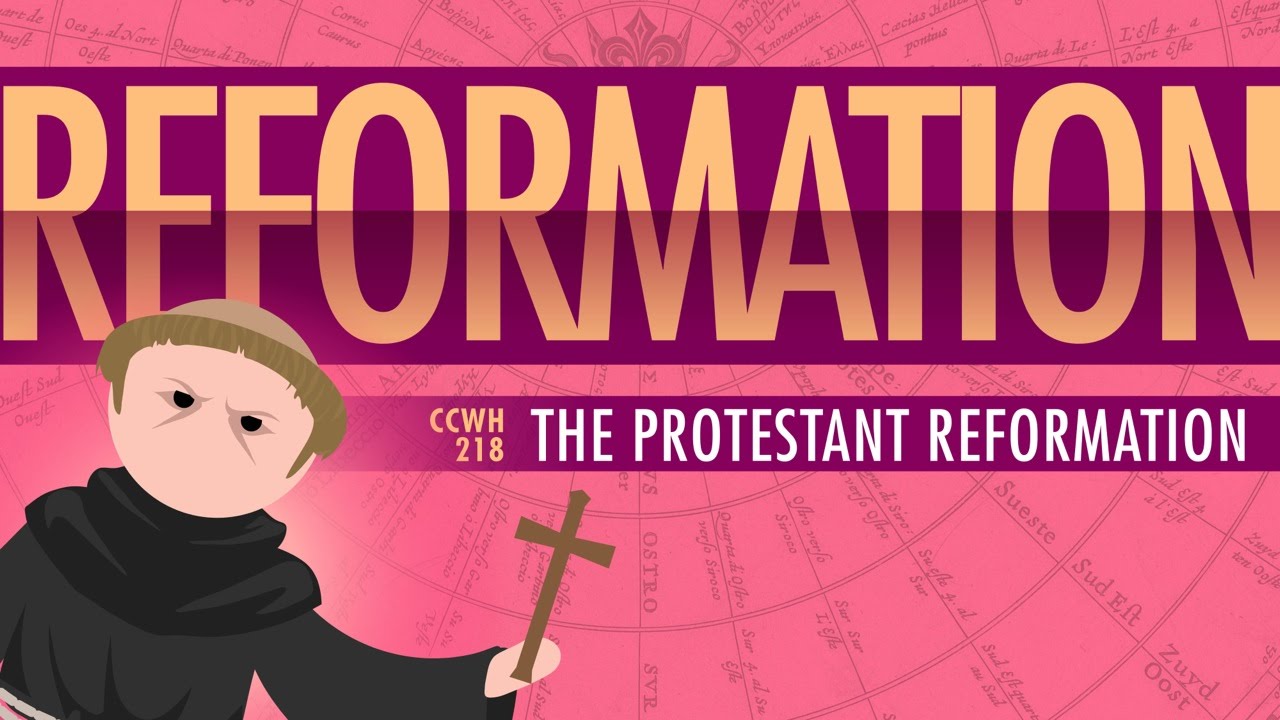
What Was the Reformation?
Have you ever wondered how a single movement could reshape an entire continent’s religious landscape? 🌍 The Reformation, which emerged in the 16th century, was a pivotal moment in European history that revolutionized the practice of Christianity, primarily in Western Europe. At its core, the Reformation was a religious movement against the corruption and practices of the Catholic Church, leading to the establishment of various Protestant denominations. Understanding the nuances of this transformative period can provide insight into contemporary religious dynamics and cultural values.
The Historical Background of the Reformation
The Reformation was not born in a vacuum; it arose from centuries of social, political, and religious struggles. Amidst growing dissatisfaction with the Catholic Church’s indulgences, corruption, and nepotism, figures like Martin Luther, John Calvin, and Henry VIII emerged as catalysts for change. Martin Luther’s 95 Theses, posted in 1517, ignited widespread debate. His arguments questioned the Church’s authority and emphasized individual interpretation of the Scriptures, a radical departure from the prevailing beliefs of the time.
Key Figures of the Reformation
Several individuals played crucial roles in the Reformation, each contributing unique perspectives and challenges to established Church doctrine.
- Martin Luther: Arguably the most famous Reformation figure, Luther advocated for faith alone as the path to salvation.
- John Calvin: He introduced the concept of predestination and established a rigorous form of Protestant theology.
- Henry VIII: His quest for a male heir led to the English Reformation, resulting in the Church of England’s formation.
The Key Tenets of Reformation Thought
The Reformation introduced several essential ideas that challenged traditional Catholic teaching:


- Justification by Faith: This principle argued that salvation comes through faith in Jesus Christ rather than through good works or Church rituals.
- Scripture Alone (Sola Scriptura): Many Reformers believed that the Bible was the sole authority in Christian faith and should be accessible to all believers.
- Universal Priesthood of Believers: This concept emphasized that all Christians have direct access to God without needing a priestly intermediary.
Impact on Society and Culture
The Reformation’s influence extended beyond theology; it led to significant societal and cultural changes:
- Educational Reform: Protestant thinkers advocated for literacy and education, leading to the establishment of schools.
- Political Change: The rise of Protestant state churches reshaped political boundaries and influenced governance.
- Art and Literature: The Reformation inspired the creation of Protestant art, music, and literature that reflected its ideals.
Complementary Tools and Resources for Understanding the Reformation
To gain a deeper appreciation of the Reformation, consider using complementary tools that broaden your knowledge and enhance your exploration. Here are some highly effective suggestions:
- Documentaries: Watch insightful documentaries such as “Luther: The Life and Legacy of the Reformer” for a visual representation of key events.
- Books and Literature: Reading works such as “The Protestant Reformation” by Hans J. Hillerbrand provides in-depth analysis.
- Online Courses: Platforms like Coursera offer free courses on the Reformation.
- Podcasts: Engage with podcasts like “The Reformation Podcast” for discussions on various aspects of the movement.
- Museums and Historical Sites: Visit places like the Lutherstadt Wittenberg to witness history first-hand.
- Academic Journals: Access journals such as “The Sixteenth Century Journal” for scholarly articles.
Benefits of Using Documentaries and Books
Focusing on documentaries and literature, let’s explore how these tools complement your understanding of the Reformation:
Documentaries
- Visual Learning: Offer engaging narratives that illustrate Reformation events and figures.
- Expert Interviews: Feature historians discussing the Reformation’s implications and ongoing relevance.
- In-depth Context: Provide rich background details that books may overlook.
- Accessibility: Can often be found on streaming platforms or educational institutions’ websites.
Books and Literature
- Comprehensive Insights: Often provide more depth than video content, offering a thorough exploration of themes.
- Annotations and Footnotes: Facilitate further research through citations and references.
- Diverse Perspectives: Include various authors’ viewpoints that enrich understanding.
- Enhanced Retention: Reading improves retention of ideas compared to passive consumption.
Modern-Day Relevance of the Reformation
The lessons of the Reformation continue to resonate in contemporary debates on faith, governance, and individual rights. Issues surrounding religious freedom stemmed from the principles established during this period. Additionally, discussions on interpretation, authority, and ethical living have roots in the questions raised during the Reformation.
For example, the principle of Sola Scriptura has influenced various modern denominational splits, each interpreting the Scriptures through their theological lens. By recognizing these continued discussions, you can better understand current religious landscapes and explore ways the Reformation principles can address modern issues.
Exploring Related Topics
To deepen your understanding of the nuances of the Reformation, consider investigating related topics such as:
- The Catholic Counter-Reformation: A response by the Catholic Church that aimed to reform its practices and reaffirm its authority.
- The Enlightenment’s Influence: How the Reformation set the stage for Enlightenment thought and secularism.
- Comparative Theology: Understanding how different denominations interpret the Reformation’s principles today.
- The Role of Women: Examining the impact of the Reformation on women’s roles in church and society.
Conclusion: Embracing and Learning from History
The Reformation was a watershed moment that not only redefined Christianity but also set in motion societal transformations that continue to influence us today. By utilizing complementary tools such as documentaries, books, and online courses, you can deepen your exploration of this complex movement and appreciate its lasting impact. So, are you ready to embark on a journey of discovery through the pages of history? The remarkable stories of faith, struggle, and triumph await.
What Was the Reformation? 🤔
The **Reformation** was a pivotal movement in the 16th century that brought significant changes to Christianity and Western society as a whole. It questioned the authority of the Catholic Church and led to the establishment of Protestant churches. This exploration will delve into the **causes**, **key figures**, and **impact** of the Reformation, while also offering insights into complementary tools that enhance your understanding of this transformative period.
The Causes of the Reformation
The Reformation emerged from a confluence of various factors, including political, social, and religious discontent. Here are some of the key causes:
- Corruption within the Church: Widespread practices like indulgences and a lack of moral integrity among clergy spurred outrage.
- Renaissance Humanism: The revival of classical learning encouraged individuals to question established traditions.
- Technological Advancements: Inventions like the printing press facilitated the spread of ideas critical of the Church.
- Political Factors: Local rulers sought to assert their independence from papal authority and gain control over church lands.
Key Figures of the Reformation
Several individuals played crucial roles in the Reformation, shaping its direction and outcomes. Each had unique contributions that resonated with the discontentment of their time:
Martin Luther
Perhaps the most iconic figure of the Reformation, Martin Luther, challenged the Catholic Church’s practices in 1517 by nailing his **95 Theses** to a church door. His emphasis on salvation through faith alone rejected the notion of works-based righteousness.
John Calvin
John Calvin further developed Reformation theology, particularly in Geneva, emphasizing **predestination** and the sovereignty of God. His writings, especially “Institutes of the Christian Religion,” became foundational texts for Reformed Christianity.
Henry VIII
King Henry VIII’s desire for an annulment led to England’s break from the Catholic Church. His establishment of the *Church of England* marked a significant political and religious shift.
The Spread of Reformation Ideas
The Reformation’s ideas spread rapidly throughout Europe, significantly altering the religious landscape. Key factors in this dissemination included:
- Printing Press: This invention not only spread Reformation texts but also encouraged public debates about religious ideas.
- Public Discourse: The rise of pamphlets and treatises enabled broader engagement beyond the educated elite.
- Support from Rulers: Many princes and leaders supported Reformation ideas to assert independence from the Pope.
Impact of the Reformation
The impact of the Reformation was profound and manifold:
Religious Changes
It led to the establishment of various Protestant denominations, including Lutherans and Calvinists, affecting worship practices and community life.
Social Reforms
The Reformation sparked discussions about literacy, education, and the role of individuals in interpreting Scripture, contributing to rising literacy rates. 📚
Political Ramifications
It resulted in numerous conflicts across Europe, such as the **Thirty Years’ War**, and fostered the rise of the modern nation-state as princes and governments wrested control from the Church.
Complementary Tools for Understanding the Reformation
To deepen your understanding of the Reformation, various **complementary tools** can enhance your studies and analyses. Here are some recommendations:
1. Online Courses
Platforms like Coursera offer various courses on Reformation history, providing structured learning with expert insights.
2. Podcasts
Engaging podcasts such as “History of Philosophy Without Any Gaps” cover the Reformation in detail, offering discussions that bring historical figures and events to life.
- Accessibility: Listen on-the-go and easily fit learning into your schedule.
- Diverse Perspectives: Experts present topics from various angles for richer understanding.
- Engaging Format: Storytelling renditions keep listeners captivated and foster retention of complex ideas.
- Supplementary Information: Many podcasts provide additional resources for deeper engagement.
3. Documentaries
Visual documentaries available on platforms like Netflix or public broadcasting stations can visually depict the Reformation’s context and its repercussions, making history more relatable and immersive.
4. Historical Texts
Public domain texts, such as Luther’s “The Freedom of a Christian,” are available for free online, providing original perspectives from key Reformation figures.
5. Online Forums
Participate in forums such as Reddit’s history channel to engage with fellow history enthusiasts and scholars, allowing for discussion and debate on Reformation topics.
6. Virtual Tours
Consider virtual tours of historical sites significant to the Reformation, such as Luther’s home in Wittenberg, to place context around the events and figures discussed.
7. Interactive Timelines
Utilize websites that create interactive timelines to visualize events and their interconnectedness throughout the Reformation era.
8. Educational Apps
Apps like Duolingo or Khan Academy can offer quizzes and learning activities specifically tailored for historical education.
- User-Friendly Interface: Easy navigation encourages learning without overwhelm.
- Gamification: Engaging features allow for fun experiences while studying history.
- Tailored Content: Various levels let users learn at their own pace.
- Community Support: Join forums within these applications to discuss Reformation topics with others.
9. Social Media
Follow scholars or institutions specializing in Reformation studies on platforms like Twitter and Instagram to receive the latest research, events, and discussions.
10. Scholarly Journals
Explore journals focused on religious studies, such as *The Journal of Ecclesiastical History*, for in-depth articles and academic perspectives on the Reformation. 📰
Conclusion: The Lasting Legacy of the Reformation
The Reformation not only transformed Christianity but also laid the foundation for many modern Western values relating to individualism, governance, and free thought. By utilizing complementary tools, you can enrich your understanding of this influential movement, gaining insights that are both intellectually satisfying and historically significant. So, commit to exploring the **Reformation** and see how its echoes continue to influence today’s society!
The Impact of the Reformation
The Reformation: A Transformative Era in Christianity
Have you ever wondered how a single movement could reshape an entire faith? 🤔 The **Reformation**, a seismic event in the 16th century, did just that for Christianity. This article will explore what was the Reformation, its key figures, events, and profound impact on religion and society.
Understanding the Reformation
The **Reformation** was a religious movement that started in the early 1500s. It aimed to reform the practices and beliefs of the **Roman Catholic Church**. The movement is often associated with figures like **Martin Luther**, **John Calvin**, and **Huldrych Zwingli**. Their ideas not only challenged the Church’s authority but also led to the creation of Protestant denominations such as Lutheranism and Calvinism.
One of the core issues prompting the Reformation was the Church’s practices, like the sale of indulgences, which were seen as corrupt and disconnected from the true teachings of Christianity. This discontent paved the way for calls for reform, fundamentally altering the landscape of Western Christianity.
Key Figures of the Reformation
Martin Luther
Martin Luther, a German monk, is credited as the primary catalyst for the Reformation. His **Ninety-Five Theses**, which criticized Church practices, especially the sale of indulgences, were famously nailed to the door of the Wittenberg Castle Church in 1517. This action sparked widespread debate and led to significant theological discussion across Europe.
John Calvin
Another prominent figure, **John Calvin**, furthered Reformation ideas with an emphasis on predestination and the sovereignty of God. His writings laid the groundwork for Reformed theology, influencing various Protestant denominations.[source]
Huldrych Zwingli
In Switzerland, **Huldrych Zwingli** led a branch of the Reformation that focused more on the scripture than on tradition, advocating for a return to the original teachings of the Bible. His work alongside Luther’s inspired reformers across Europe.
Major Events During the Reformation
The Posting of the Ninety-Five Theses
Luther’s **Ninety-Five Theses** are often viewed as the initial spark that ignited the Reformation. This rejected the Church’s practices and heralded a broader call for reform.
The Diet of Worms
In 1521, Luther was summoned to the **Diet of Worms**, where he famously stated he could not recant his writings. This event solidified the divide between Protestant reformers and the Catholic Church.
The Peasants’ War
The Reformation also influenced socio-political movements, such as the **German Peasants’ War** of 1524-1525, which was partly inspired by reformative ideas but ultimately ended in brutality. This illustrates the complex interplay between religious reform and societal unrest.
Core Beliefs and Teachings
The Reformation propagated several fundamental beliefs that contrasted sharply with Catholic doctrine, which included:
- Sola Scriptura: The belief that scripture alone is authoritative.
- Sola Fide: Justification by faith alone, rather than by works.
- Sola Gratia: Salvation by grace alone, emphasizing God’s mercy.
- Priesthood of all believers: The notion that all Christians have access to God without mediation from priests.
The Splintering of Christianity
The Reformation led to the birth of various Protestant denominations, causing Christianity to splinter significantly. Unlike before, where a singular Catholic Church held sway, now multiple factions, including Baptists, Methodists, and Presbyterians emerged, each interpreting the faith differently. This diversification has led to rich pluralism within Christianity today.
The Reformation’s Cultural Impact
Translation of the Bible
One of the lasting legacies of the Reformation was the translation of the Bible into vernacular languages, making it accessible to ordinary people. This democratization of knowledge empowered individuals to interpret Christian teachings on their terms.
Education and Literacy
The emphasis on personal Bible study encouraged literacy and education across Europe. Schools were established, catering to both boys and girls, leading to an overall increase in literacy rates.
Social and Political Changes
Political structures also transformed as state powers began to align with Protestant ideas, challenging the Catholic Church’s authority. Nationalism rose, linking religious identity closely to national identity in several European countries.
Complementary Tools to Enhance the Understanding of the Reformation
To deepen your understanding of what was the Reformation and its implications, you can utilize a variety of **complementary tools**. Here are some effective strategies:
1. Use Digital Archives
Accessing digital archives of historical documents can provide insights into the original writings and events surrounding the Reformation.
2. Audiobooks and Podcasts
Platforms like **Audible** or **Spotify** offer a wealth of audiobooks and podcasts that explore Reformation topics. For instance:
- Engaging narratives that bring historical figures to life.
- In-depth discussions on theological implications.
- Access to scholarly interpretations.
- Convenient for users who prefer auditory learning.
3. Online Courses
Websites like **Coursera** offer online courses about Reformation history, helping to illuminate its context and consequences.
4. Documentaries
Watch documentaries on platforms like **YouTube** or **Netflix** that detail the Reformation, combined with visual storytelling to enhance engagement.
5. Study Groups
Joining or forming study groups allows for collaborative discussions about various interpretations and angles of the Reformation, fostering insights through peer interaction.
6. Historical Fiction
Reading historical fiction novels based on Reformation themes can offer relatable perspectives on this complex period.
7. Museums and Exhibitions
Visit museums that feature Reformation exhibits, where you can see artifacts and learn through interactive displays.
8. Reading Secondary Literature
Books and essays from historians provide analysis and are crucial for deeper understanding. Key benefits include:
- Different viewpoints on key events.
- Detailed examinations of influential figures.
- Historical context that enriches understanding.
- Connections between the Reformation and current theological debates.
9. Reference Guides
Utilize reference guides or encyclopedias such as the Encyclopaedia Britannica to clarify historical facts and concepts related to the Reformation.
10. Engage with Online Forums
Participating in forums and discussions, like those on **Reddit**, allows for diverse perspectives and community insights on Reformation topics.
The Legacy of the Reformation
The **Reformation** has left a profound legacy on Christianity, shaping modern thoughts on faith, governance, and civil rights. It initiated a process of questioning authority that inspired later social movements, contributing to the development of democratic ideas and human rights.
Widespread rediscovery of scripture and individual interpretation has led to a vibrant tapestry of belief systems within Christianity today. This rich historical period continues to influence spiritual, sociocultural, and political landscapes.
Conclusion
The **Reformation** was more than a religious movement; it was a transformative period that reshaped not only the Christian faith but also the fabric of society itself. Understanding its significance can offer profound insights into contemporary issues, challenges, and the diverse landscape of religious beliefs that exist today. By engaging with a variety of tools and resources, you can further your comprehension of this pivotal historical moment and its ongoing relevance.
The Cultural Shifts During the Reformation
What Was the Reformation? Unraveling the Movement That Changed Christianity
Have you ever wondered how a single movement could reshape an entire religion? The **Reformation** was such a movement, and its effects resonate to this day. 🌍 In the 16th century, it triggered a wave of significant changes across Europe, marking a departure from the traditions of the **Catholic Church** toward diverse forms of Protestantism.
Understanding the Origins of the Reformation
The Reformation originated in a climate of religious dissatisfaction with the Catholic Church. Factors leading to this upheaval included corruption, the sale of indulgences, and the challenge of existing theological interpretations. Key figures like Martin Luther and John Calvin emerged, challenging the Church’s authority and proposing reforms. Luther’s 95 Theses, published in 1517, sparked widespread debate and dissent.
Key Figures in the Reformation
The Reformation was fueled by various influential leaders, each contributing unique perspectives and approaches:
- Martin Luther: His doctrine of justification by faith alone and critique of indulgences catalyzed the movement.
- John Calvin: Established a systematic theology that emphasized predestination, shaping Reformed churches.
- Huldrych Zwingli: Promoted a more radical reform in Zurich, focusing on scripture over traditions.
- Henry VIII: His political motivations resulted in the English Reformation, breaking from the Catholic Church.
Theological Implications of the Reformation
The Reformation significantly altered Christian theology. **Sola Scriptura** (scripture alone) became a foundational principle for many reformers, arguing that the Bible should be the sole authority in matters of faith and practice. This led to a democratization of religious interpretation, allowing individuals to engage directly with the scriptures.
Social and Political Consequences of the Reformation
The implications of the Reformation extended beyond theology into social and political realms. It fueled nationalistic sentiments, as newly formed Protestant nations emerged. This shift often led to conflicts, such as the **Thirty Years’ War**, ultimately reshaping European boundaries and governance.
How the Reformation Impacted Education
One significant outcome of the Reformation was the emphasis on education. Protestants advocated for literacy among the masses, asserting that individuals needed to read the Bible. This push for education led to the establishment of public schools.
The Role of the Printing Press
The invention of the **printing press** by Johannes Gutenberg in the 15th century played a crucial role in the Reformation. The ability to mass-produce texts allowed reformers like Luther to disseminate their ideas rapidly. This democratization of knowledge strengthened the movement and enabled widespread engagement with theological debates. 📚
The Rise of Different Protestant Denominations
The Reformation did not result in a singular Protestant church but rather a multitude of denominations, each with distinct beliefs and practices. Major branches include:
- Lutheranism: Emphasizes justification by faith and the authority of scripture.
- Calvinism: Known for its doctrines of predestination and a focus on God’s sovereignty.
- Anabaptism: Advocates for adult baptism and a separation from state influence.
- Anglicanism: A middle way between Catholicism and Protestantism with its own liturgical practices.
Complementary Tools to Enhance Understanding of the Reformation
To dive deeper into the **Reformation**, leveraging complementary tools can enhance your understanding. Here are a few ideas:
- Online Courses: Enroll in a course on religious history to gain structured knowledge. Platforms like Coursera offer specialized courses on the Reformation.
- Documentaries and Films: Watch documentaries for visual learning. For example, “The Reformation” by PBS offers rich insights into the era.
- Academic Journals: Access journals on religious studies for in-depth articles, such as those found in JSTOR.
- Mobile Apps: Use apps like Duolingo to learn about key terms and figures in a gamified manner.
- Podcasts: Listen to podcasts focusing on Reformation history for a narrative approach. “History of Philosophy Without Any Gaps” covers relevant themes.
- Social Media Groups: Join Facebook groups or Reddit communities where enthusiasts discuss Reformation topics.
- Online Forums: Engage in discussions on platforms like Quora, posing questions and answering others about the Reformation.
- Local Historical Societies: Participate in events or lectures at societal meetups to connect with experts.
Case Studies of Reformation Impacts
Analyzing specific case studies can reveal how the Reformation influenced different regions:
Germany
Germany was at the heart of the Reformation. Luther’s 95 Theses sparked regional movements, leading to the establishment of **Lutheran churches** and transforming German society, politics, and culture.
England
In England, King Henry VIII’s quest for a male heir and subsequent break from the Catholic Church resulted in the creation of the **Church of England**. This political maneuver had profound religious ramifications that persist in modern British society.
The Lasting Legacy of the Reformation
The Reformation’s legacy remains vital in contemporary discussions about religion, freedom, and democracy. Movements emphasizing individual rights and interpretations of faith can trace their roots to the Reformation’s foundational principles. What’s more, its cultural impact can still be felt in art, literature, and philosophy.
Global Perspectives on the Reformation
The effects of the Reformation were not confined to Europe. Missionary work and colonial expansion carried Protestant thought to new lands, creating diverse expressions of Christianity worldwide. This globalization of the Reformation showcases how religion evolves beyond its cultural origins. 🌏
Engaging with Reformation Scholarship
If you’re interested in exploring scholarly work on the Reformation, consider looking into Harvard University’s resources on the Reformation, where you can find various articles and publications. Such resources can provide a solid foundation for understanding the theological debates that shaped the period.
Conclusion and Further Exploration
The Reformation was a pivotal event in history, reshaping Christianity and influencing various aspects of societal development. Its theological debates, coupled with socio-political shifts, laid the groundwork for modern Western thought. As you explore complementary tools and resources, remember that the Reformation is not just a historical event but a living legacy that continues to shape our world.
What Was the Reformation? 🌟
The Reformation was a landmark event in the 16th century that dramatically changed the landscape of Christianity and its role in society. Curious about what triggered such monumental shifts? Let’s delve into its origins, key figures, and effects that are still relevant today.
Origins of the Reformation
The Reformation began in 1517 with Martin Luther, a German monk who challenged the Catholic Church’s practices, particularly the sale of indulgences. Luther’s 95 Theses criticized the Church’s corruption and called for a return to biblical teachings. This was a pivotal moment, acting as a catalyst for a movement that questioned the authority of the Church and promoted reforms.
Key Factors Leading to the Reformation
- Corruption within the Church: The perceived moral decay and financial exploitation of the Church led many to seek reform.
- Humanism: The Renaissance encouraged a focus on individual merit and scholarly pursuits, influencing religious thought.
- Printing Press: The invention of the printing press facilitated the widespread distribution of reformative literature, making ideas more accessible.
Major Figures of the Reformation
Various reformers emerged during this period, each contributing unique perspectives and actions:
Martin Luther
Luther’s beliefs emphasized salvation by faith alone and the authority of Scripture. His refusal to recant during the Diet of Worms solidified his status as a leader of the Reformation.
John Calvin
A French theologian, Calvin developed the doctrine of predestination and established a theocratic government in Geneva, shaping Protestantism with his significant writings, including “Institutes of the Christian Religion.”
Huldrych Zwingli
In Switzerland, Zwingli sought reform through scripture and led movements that influenced Protestantism in the region, advocating for a more spiritual form of worship.
Impact of the Reformation
The Reformation had far-reaching consequences, transforming not only religion but also politics, culture, and society across Europe.
Transformation of Christian Practices
Many Protestant denominations branched out as various groups interpreted Scripture differently. This diversification challenged the Catholic Church’s monopoly on worship and theology.
Political Ramifications
With the decline of papal authority, many political leaders seized the opportunity to assert control over religious matters in their territories, fundamentally altering the balance of power in European politics.
Complementary Tools and Resources Related to the Reformation
The Reformation serves as a foundation for understanding modern Christianity and its diverse interpretations. To further enhance this study, you may consider utilizing various tools and resources.
1. Online Courses on Reformation Theology
Platforms like Coursera and edX offer courses that delve deeper into Reformation theology. By engaging in these courses, you will gain a structured learning experience.
2. Digital Libraries for Historical Texts
Using resources like the Project Gutenberg, you can access historical texts from the Reformation period. Explore key writings from figures like Luther and Calvin to enrich your perspective.
- **Extensive Archive**: Over 60,000 free books, including many original works.
- **User-Friendly:** Easy navigation allows you to search by title or author quickly.
- **Accessible Formats**: Available in multiple formats like PDF, ePub, and Kindle.
- **Educational Resource**: Perfect for research or personal study, enhancing historical knowledge.
3. Documentaries and Podcasts
Exploring the Reformation through documentaries such as “The Protestant Reformation” can provide visual and narrative insights, making the history more engaging.
4. Community Forums
Join online discussion groups or forums to share insights and ask questions about the Reformation. platforms like Reddit can be beneficial for connecting with fellow enthusiasts.
5. Libraries and Archives
Utilize university libraries or national archives to access primary sources and secondary analyses, which can provide invaluable context to the Reformation.
6. Apps for Historical Study
Applications like Khan Academy offer courses on the Reformation among other historical topics, making learning flexible and personalized.
7. Research Papers
Many academic journals publish insightful papers about the Reformation; sites like JSTOR provide access to peer-reviewed content for deeper studies.
8. Study Groups
Creating or joining a study group focused on the Reformation can foster deeper discussions and collaborative exploration of the topic.
- **Collaborative Learning**: Exchange knowledge and perspectives with peers.
- **Structured Study**: Schedule regular discussions or sessions to cover varying aspects of the Reformation.
- **Shared Resources**: Combine resources to create comprehensive study materials.
- **Motivational Environment**: Encourage accountability and enthusiasm among members.
9. Social Media Groups
Platforms like Facebook or LinkedIn often have dedicated groups focusing on the Reformation, allowing for a communal sharing of resources and discussions.
10. Virtual Tours of Historical Sites
Take a virtual tour of significant historical sites related to the Reformation, such as Luther’s home in Germany, to gain visual context and enhance your learning experience.
Lasting Influence of the Reformation
The legacy of the Reformation is visible in various aspects of modern Christianity. The emphasis on personal faith and interpretation of the Bible continues to resonate with many believers today. Additionally, the movement’s impact on socio-political structures can still be seen in contemporary governance and civil society.
Final Thoughts
Understanding the Reformation is more than studying a historical event; it’s about recognizing the ongoing dialogue it fosters within the Christian community and its implications for religious freedom and personal belief today. The Reformation’s spirit of inquiry and reform is equally relevant now, encouraging us to seek truth in our beliefs.
Further Reading and Resources
For those keen on diving deeper, consider reading up on reputable sources such as Wikipedia, which provides a comprehensive overview, or exploring books like “The Reformation: A History” by Diarmaid MacCulloch for more in-depth analysis.
