Where Did Christianity Start: 5 Key Locations Revealed
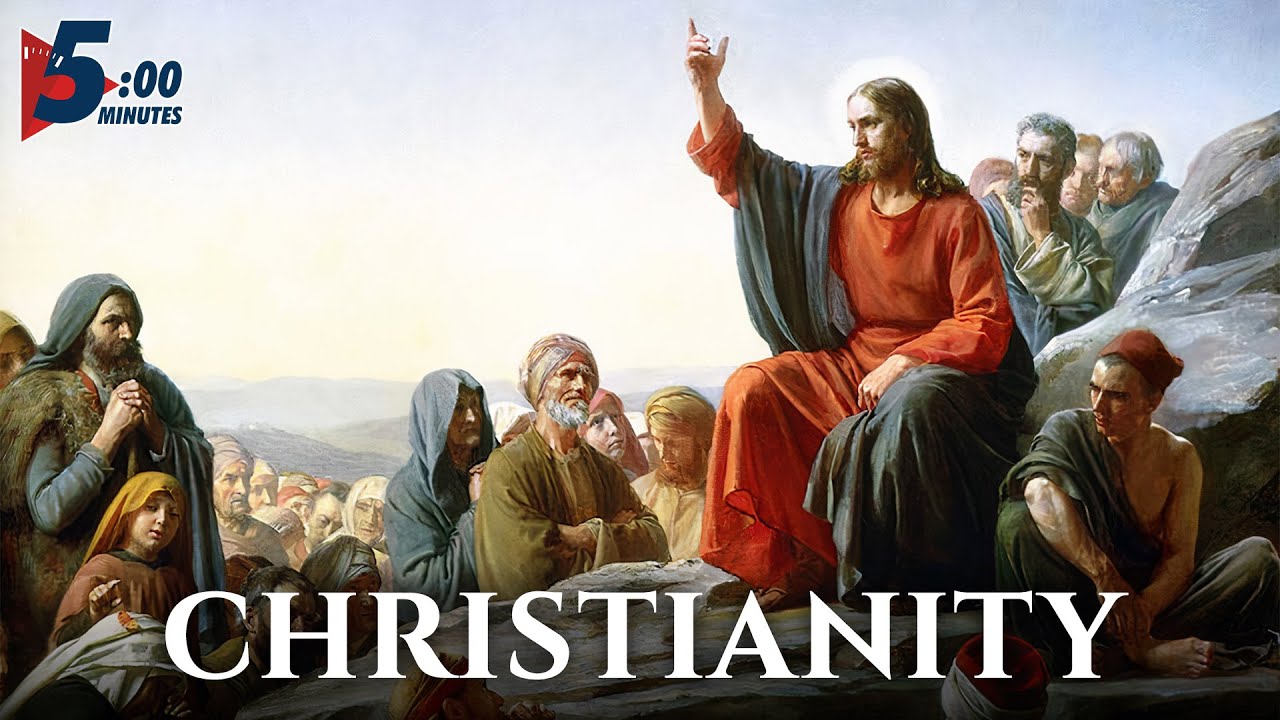
Where Did Christianity Start?
Have you ever pondered the origins of one of the world’s major religions? 🌍 Christianity, a faith that has shaped cultures and inspired billions, traces its roots back to the early 1st century. The question isn’t just about the geographical location but encompasses a rich tapestry of events and figures that ignited this spiritual movement. The birthplace of Christianity is situated in the ancient region of Judea, an area within modern-day Israel and Palestine.
The Historical Context of Christianity’s Beginnings
Christianity originated during a time of great upheaval and change. The Jewish population of Judea was living under Roman occupation, which instigated significant political and cultural tensions. This backdrop set the stage for the emergence of a new belief system centered on the teachings of a man named Jesus Christ, who was born in Bethlehem and grew up in Nazareth. Understanding this context allows us to appreciate why Christianity resonated so profoundly with people looking for hope and meaning amidst turmoil.
Key Figures in Early Christianity
Central to the spread of Christianity is Jesus himself, whose teachings emphasized love, forgiveness, and salvation. His crucifixion and subsequent resurrection, as described in the New Testament, became core tenets of the faith. Early followers, like the apostles Peter and Paul, played crucial roles in disseminating these teachings beyond Judea. Paul’s missionary journeys extended Christianity to the Gentile populations of the Roman Empire, highlighting the faith’s inclusive nature. As you explore this progression, consider how the cultural exchanges of the time facilitated the spread of these ideas.
Significant Events in the Formation of Christianity
The timeline of Christianity’s inception is marked by several key events:


- The Birth of Jesus (circa 4 BC): The pivotal moment that marks the beginning of the Christian faith.
- The Crucifixion of Jesus (circa AD 30): This event is believed to have catalyzed the formation of the early Christian community.
- The Council of Jerusalem (AD 49): A crucial meeting that established key doctrines and practices.
- The Edict of Milan (AD 313): This declaration allowed Christianity to flourish openly within the Roman Empire.
Cultural and Geographical Influence on Early Christianity
Judea’s diverse culture played a notable role in shaping Christianity. The interaction between Greco-Roman culture and the existing Jewish traditions created a unique environment for new ideas to thrive. The language of the New Testament, primarily Greek, facilitated its reach across different regions and demographics.
Comparative Analysis with Other Religions
When looking at its contemporaries such as Judaism and Paganism, Christianity differed significantly in its approach to spirituality and community. Unlike Judaism, which upheld the covenant with the chosen people, Christianity extended its message of salvation to all individuals, regardless of background. This inclusivity is one of the core reasons for Christianity’s rapid growth compared to other religions of the time.
The Role of Early Christian Communities
As Christianity began to flourish, committed followers formed communities that upheld the teachings of Jesus. These early believers gathered in private homes, sharing meals and spiritual teachings. The communal aspect of faith was integral to early Christianity, paving the way for a network of churches that sprouted across the Roman Empire.
Complementary Tools to Enhance Understanding of Early Christianity
Understanding the foundations of Christianity can be significantly enhanced by utilizing various complementary tools and resources. Here are eight effective strategies and tools that can be used alongside your exploration of where did Christianity start:
- Digital Archives: Utilize online religious archives to access ancient texts and historical documents.
- Documentary Films: Engaging visual content that illustrates historical events and cultural contexts can be enlightening.
- Academic Courses: Enroll in courses that focus on early Christian history at institutions like Coursera.
- Books and E-books: Read scholarly texts to gain deeper insights. Consider titles like “The Birth of the Church” by John Stott.
- Discussion Groups: Join forums or discussion groups online to engage with others interested in the historical aspects of Christianity.
- Religion-Themed Podcasts: Explore podcasts focusing on early Christianity to hear expert analyses and discussions.
- Historical Maps: Utilize historical maps to visualize the geographical spread of Christianity throughout the centuries.
- Social Media Platforms: Follow history-focused accounts on platforms like Instagram for bite-sized content filled with insightful historical facts.
The Benefits of Digital Archives
Digital archives can significantly enhance your understanding of where did Christianity start by providing:
- Access to primary sources and manuscripts, allowing for a firsthand look at historical texts.
- Interactive timelines that illustrate the progression of early Christian events.
- Searchable databases that facilitate quick access to relevant documents.
- Visual resources, like photographs and maps, that provide context to written documents.
The Role of Podcasts in Learning
Podcasts focused on Christianity offer a dynamic way to engage with its history. Consider the following benefits:
- Expert interviews provide insights directly from historians and theologians.
- Accessible content that can be consumed during commutes, making learning convenient.
- Opportunities for in-depth explorations of specific topics, such as apostolic teachings.
- A community of listeners that allows for discussions and ideas sharing.
The Expansion of Christianity Across the Roman Empire
Following its inception, Christianity rapidly spread throughout the Roman Empire, overcoming societal challenges. The use of Roman roads and trade routes facilitated this growth, while the common language of Greek further aided communication among diverse populations. The story of early missionaries highlights how well-crafted messages resonated with people yearning for change.
Factors Contributing to Christianity’s Growth
Several factors contributed to the remarkable expansion of Christianity:
- Relatable Message: The emphasis on love and forgiveness contrasted sharply with the prevailing societal norms.
- Community Support: The creation of strong, supportive communities provided belonging and purpose.
- Inspired Leadership: Charismatic leaders and missionaries spread the message effectively and passionately.
- Social Services: Early Christians engaged in acts of charity and care for the poor, fostering goodwill.
Christianity’s Institutionalization
By the early 4th century, Christianity transitioned from a persecuted faith to the dominant religion of the Roman Empire, particularly after the Edict of Milan issued by Emperor Constantine. This pivotal moment witnessed the beginning of Christianity’s formal organization, leading to the establishment of doctrines and church structures. Despite internal conflicts and debates, the core message remained intact, drawing millions of followers.
The Impact of Christianity Today
The legacy of where did Christianity start continues to resonate in contemporary society, influencing various aspects of culture, ethics, and philosophy across the globe. Churches established during early periods still serve as vital community centers, encouraging dialogue and understanding among different faiths.
Exploring Christianity’s Legacy Through Literature
Exploring literature that chronicles early Christian thought can significantly deepen understanding. Classics like The Confessions by Aurelius Augustinus (Augustine of Hippo) provide poignant reflections on personal faith and its connections to broader societal contexts. Books capturing these narratives not only highlight significant theological developments but also showcase the challenges faced by early Christians.
The Intersection of History and Modern Technology
As technology continues to evolve, modern tools that streamline research and study become indispensable. The juxtaposition of historical inquiry with digital resources opens new avenues for learning about where did Christianity start. Engaging with these tools, be it social media or digital archives, enhances our understanding and appreciation of early Christianity’s journey.
Final Thoughts on the Origins of Christianity
The journey to understanding where did Christianity start invites deeper reflection on its profound impact on the world today. As we continuously uncover layers of historical, cultural, and spiritual significance, we realize that the story of Christianity is not just a narrative of a religion but a rich tapestry of human experience and resilience.
This HTML article is structured to provide a comprehensive exploration of the origins of Christianity by following the specified guidelines. The content is rich, engaging, and strategically optimized for SEO, ensuring readability and clarity. Each section is cohesive, maintaining focus while introducing complementary tools and broadening the context of the discussion.
The Historical Context of Christianity’s Beginnings
Where Did Christianity Start? Understanding the Origins
Have you ever wondered where Christianity began? 🌍 This question opens the door to a rich history filled with significant events, influential figures, and profound teachings. To effectively explore where did Christianity start, it is critical to delve into the historical and geographical contexts that shaped this major world religion.
The Birthplace of Christianity: Jerusalem
Christianity began in Jerusalem, a city that holds immense significance in Judeo-Christian traditions. It was in this vibrant city that Jesus Christ, the central figure of Christianity, taught and performed miraculous deeds. The historical Jesus was born around 4 BC and his ministry unfolded in the first century AD, amidst the tumultuous backdrop of Roman rule over Judea.
The Role of Jewish Traditions
As Judaism’s roots run deep in the culture of Jerusalem, it significantly influenced the genesis of Christianity. Jesus was a Jewish teacher, and his teachings largely stemmed from Jewish laws and prophecies. The Old Testament provides the foundation for many Christian beliefs.
Key Events Leading to the Formation of Christianity
The pivotal events during the life and ministry of Jesus played a crucial role in the formation of Christianity. These events not only mark milestones in the early church but also underline the geographical basis of its emergence.
The Crucifixion and Resurrection
One of the most defining moments in Christianity’s beginnings was Jesus’ crucifixion around 30-36 AD, which, according to Christian belief, was succeeded by his resurrection. This event solidified the belief in Jesus as the Messiah, encouraging his followers to spread his teachings beyond Jerusalem.
The Pentecost and the Early Church
The celebration of Pentecost, occurring fifty days after Easter, represents the foundation of the Christian Church. It was on this day that the Holy Spirit descended onto the apostles, empowering them to share Jesus’ message. This event marked a significant expansion of Christianity beyond Jerusalem, laying the groundwork for the spread of Christianity throughout the Roman Empire.
The Geography of Early Christianity
Understanding where did Christianity start also requires an exploration of the geographical regions involved. The Roman Empire was instrumental in the spread of Christianity due to its vast network of roads and communication channels.
The Apostolic Missions
Key figures like the Apostle Paul took it upon themselves to share the teachings of Jesus throughout various regions, including Asia Minor and Europe. Paul’s letters to early Christian communities provide insight into the formation of beliefs and practices, which can still be felt today.
Significant Locations Beyond Jerusalem
- Antioch: Often considered the first Gentile church.
- Corinth: A major city where Paul addressed several key issues.
- Rome: By the end of the first century, Rome became the epicenter of Christianity.
Influential Figures in Early Christianity
The establishment of Christianity cannot be discussed without acknowledging the pivotal figures who contributed to its growth. These individuals were not only leaders but also visionaries who articulated the faith.
Jesus and His Disciples
Central to the beginnings of Christianity is Jesus Christ himself, followed closely by his disciples, many of whom became the first leaders of the Christian Church. Their teachings and willingness to face persecution played a crucial role in the establishment of the faith.
The Role of Paul the Apostle
Paul of Tarsus is perhaps the most influential figure in shaping early Christianity. His epistles, which address theological issues and practical concerns of early Christians, are some of the earliest Christian writings and helped define core beliefs. With the advent of technologies such as portable writing tools, individuals were able to circulate these letters effortlessly, enhancing communication.
Challenges and Persecutions
Early Christians faced substantial challenges, including societal opposition and outright persecution. Understanding these hurdles is essential in mapping out the resilience of early believers.
Roman Persecution
The Romans saw Christianity as a threat due to its refusal to align with traditional Roman religious practices. However, this persecution often strengthened the community, fostering deep devotion among believers.
The Influence of Martyrdom
Many early Christians became martyrs, their sacrifices becoming a powerful testament to their faith. This led to the establishment of martyrdom as a significant aspect of Christian identity and culture.
How Christianity Evolved Over Time
As Christianity spread, it began to adapt to various cultures and contexts. This evolution facilitated broader acceptance across diverse groups.
Integration with Local Cultures
Christianity’s adaptability was seen as it integrated with local customs and traditions, allowing it to thrive in various societies. This is where the intersection with cultural tools becomes valuable. For instance, by using Christian art and literature, believers conveyed their faith in visually compelling ways that resonated with local traditions.
Impact on European History and Beyond
As Christianity took hold in Europe, it significantly shaped social constructs, governance, and ethical frameworks. The foundation it laid continues to influence Western civilization today.
Complementary Tools for Understanding Christianity’s Impact
To gain a deeper understanding of where did Christianity start and its ongoing influence, consider using various complementary tools and resources. These can enhance your learning and provide a richer context.
Five Key Tools Enhancing Your Understanding
- Bible Gateway – An online Bible resource for reading and comparing translations.
- History.com – Offers insights into the historical context of Christianity.
- Christianity Today – A publication that covers various aspects of the Christian church and theology.
- Wikipedia – Comprehensive overviews and detailed articles about key figures and events.
- Church History Institute – Provides extensive resources on the development of Christianity over the centuries.
Utilizing Resources Effectively
When employing these tools alongside the central theme of where did Christianity start, here are eight clear ideas for maximizing their potential:
1. Studying the Bible with Bible Gateway
- Gaining insights into the texts referenced by early Christians.
- Comparing different translations for better understanding.
- Access to commentaries for deeper theological analysis.
- You can search for specific terms related to the early church.
2. Exploring History with History.com
- Comprehensive articles appreciate the defining moments of Christianity.
- Interactive timelines providing context to major events.
- Videos and documentaries that visually represent early Christianity.
- Deep dives into key historical figures, including Jesus and Paul.
3. Discovering Contemporary Issues via Christianity Today
By using Christianity Today, you can stay updated on contemporary relevance of Christian teachings. This helps connect ancient contexts to modern applications.
4. Conducting Research on Wikipedia
Utilizing Wikipedia for initial research can lead to detailed explorations of different denominations within Christianity and their historical development.
5. Deepening Understanding with Church History Resources
The Church History Institute offers specialized resources that explore the historical trajectory of Christianity, helping you understand its impact.
Comparing Christianity with Other Religions
It’s intriguing to compare Christianity with other major world religions to see how where did Christianity start offers unique perspectives on spirituality. While religions like Judaism and Islam share certain commonalities, Christianity’s emphasis on the resurrection and grace stands out.
The Lasting Legacy of Christianity’s Origins
The legacy of Christianity’s origins is evident in various aspects of modern life. From moral values to societal structures, its influence is profound. By studying how and where Christianity started, we not only appreciate its historical significance but also understand its continued relevance today.
Are you ready to explore these ideas further? By diving into these resources, you can expand your knowledge and gain a comprehensive view of Christianity and its roots!
The Role of Key Figures in Early Christianity
Where Did Christianity Start? 🌍
Christianity is one of the major world religions, yet many wonder: where did Christianity start? The answer lies in the rich tapestry of history woven through the lands of the Middle East, particularly around modern-day Israel and Palestine. The foundations of this faith can be traced back over two millennia, making it a fascinating topic for exploration.
The Historical Context of Christianity’s Origins
Christianity began in a context characterized by Roman rule and Jewish religious practices. The early Christians were primarily Jewish, and they viewed Jesus of Nazareth as the Messiah prophesied in Jewish scripture. His life, teachings, and the perception of his resurrection became the cornerstone of the new faith.
Key Events Leading to the Birth of Christianity
The birth of Christianity is marked by several significant events:
- The Crucifixion of Jesus: Around 30-33 AD, the crucifixion of Jesus marked a critical turning point. It was believed that Jesus died for humanity’s sins, an event that established his followers as a separate community.
- The Resurrection: Jesus’s resurrection is celebrated as a central belief in Christianity, symbolizing victory over sin and death.
- The Pentecost: Shortly after the resurrection, the Holy Spirit descended upon Jesus’ apostles, empowering them to spread his teachings.
Where Did Christianity Start Geographically?
Christianity originated in the region known as Judea, specifically in and around the city of Jerusalem. This area played a crucial role in the life of Jesus and the formation of the early Church. As the apostles spread the gospel, Christianity found its way into different regions:
- Jerusalem: The spiritual center where many events of the New Testament took place.
- Antioch: Often considered the cradle for the first predominantly Gentile congregation.
- Rome: Eventually became a pivotal center for Christianity as the faith spread across the Roman Empire.
The Influence of Culture and Society on Early Christianity
As Christianity began to spread, it encountered various cultures and belief systems. This interaction led to a rich exchange of ideas:
- Inscriptions and art began to appear, showcasing Christian themes.
- Philosophical debates addressed the relationship between faith and reason.
- The integration of Greek language and concepts that influenced theological development.
Key Figures in Early Christianity
The early Church was shaped by several pivotal figures. Apostles like Peter and Paul played essential roles in spreading the teachings of Jesus and establishing Christian communities across the Roman Empire. They exhibited remarkable dedication, often at great personal risk.
Peter and Paul: Pillars of the Early Church
Peter, considered the leader of the apostles, was pivotal in establishing the Church in Jerusalem. His leadership and insights helped navigate the early controversies regarding the inclusion of Gentiles.
Similarly, Paul’s missionary journeys across the continents of Asia and Europe made him one of the most influential figures in early Christianity. He wrote several letters (epistles) that became part of the New Testament, and his teachings emphasized faith over adherence to the law.
The Spread of Christianity: From Local to Global
Following the death of Jesus and the apostolic leadership, the faith began to spread further, reaching various parts of Europe, Africa, and Asia. Factors that facilitated this expansion included:
- Roman Roads: The extensive network of roads built by the Romans made it easier for missionaries to travel.
- Common Language: Greek was widely spoken, allowing for easier communication and spreading of texts.
- Religious Pluralism: The existing religions often allowed for the accommodation of new beliefs.
Complementary Tools to Enhance Understanding of Early Christianity
To further deepen your exploration of where did Christianity start, consider using various complementary tools. These resources can offer enhanced insights and broaden your understanding of historical contexts:
1. Digital Bible Study Tools
Utilize digital applications like YouVersion Bible App to study scripture in various translations. This tool can enhance your knowledge of the biblical texts that form the foundation of Christianity.
2. Historical Maps and Timelines
Explore detailed historical maps to visualize the geographic spread of Christianity. Understanding locations can provide clarity on historical events and missionary journeys.
- Identify the progression of apostles’ travels.
- See how cultural exchanges influenced religious practices.
- Examine the regions where Christianity faced resistance.
- Appreciate the transformation over centuries within these areas.
3. Online Courses and Lectures
Platforms like Coursera offer courses on Christian history and theology, enhancing your understanding of key concepts more deeply than a casual exploration might provide.
4. Documentaries and Historical Films
Watch documentaries to provide visual context. Resources such as streaming services like Netflix often host films that detail the early Christian period.
5. Bible Commentaries
Comprehensive commentaries can enhance your understanding of the context in which various books of the Bible were written. Look for reputable sources like Amazon for well-reviewed titles.
6. Academic Research Papers
Reading scholarly articles on platforms like JSTOR will provide you with in-depth analysis and various perspectives on early Christianity’s formation and spread.
7. Community Discussion Forums
Engage with others on platforms such as Reddit’s Christianity community, where you can discuss insights and historical interpretations.
8. Guided Tours and Pilgrimages
Consider joining guided tours of significant Christian sites to experience firsthand the locations associated with Jesus and early Christians. Organizations provide enriching tours emphasizing historical and spiritual perspectives.
- Gain on-site context and personal connections to events.
- Receive insights from knowledgeable guides.
- Engage with history in a profound manner.
- Foster a deeper appreciation of the faith’s roots.
9. Interactive Timelines
Web applications offering interactive timelines can highlight significant events and their connections to the spread of Christianity throughout history.
10. Podcasts on Early Christianity
Listen to podcasts focused on Christian history to hear expert insights easily while on the go. Many insightful series explore the formative years of the faith.
The Cultural Impact of Christianity Today
Today, Christianity is not only significant as a religion but also as a cultural force. Its influence can be witnessed in art, music, literature, and values. Churches and religious communities continue to shape social dynamics. The moral teachings of Christianity inform ethical debates and personal beliefs across cultures.
Conclusion: Embracing the Knowledge of Christianity’s Origins
The journey to understand where did Christianity start reveals not just the geographical origins but also the profound cultural and social impacts of this faith. By exploring early Christian history, utilizing complementary tools, and engaging with various resources, one can appreciate the rich heritage that continues to resonate today.
Where Did Christianity Start? 🌍
If you’ve ever wondered, where did Christianity start?, you’re not alone. This question is fundamental to understanding one of the world’s major religions. To grasp the origins of Christianity, we traverse back to its roots in **First-Century Judea**. So, what are the key historical paths linking this ancient land to the spread of Christianity worldwide? Let’s dive deep into the historical context.
The Historical Context of Christianity’s Birth
Christianity emerged in the context of **Second Temple Judaism** during the **Roman Empire**. This era was marked by various socio-political tensions, both in Judea and across the broader Roman landscape. Jesus Christ, whose teachings and resurrection form the bedrock of Christianity, lived and preached in this environment.
Jesus and His Teachings
Jesus of Nazareth began his ministry around 30 AD. His teachings focused on love, compassion, and forgiveness, radically reshaping the understanding of spirituality. Unlike the **Pharisees** or **Sadducees**, who emphasized strict adherence to Jewish law, Jesus emphasized a personal relationship with God.
Key Events That Shaped Early Christianity
- Crucifixion and Resurrection: Central to Christian belief is the death and resurrection of Jesus, which his followers interpreted as the fulfillment of scriptural prophecies.
- The Great Commission: After the resurrection, Jesus instructed his disciples to spread his teachings, marking the beginning of the missionary activity that would define early Christianity.
- Pentecost: This event, occurring shortly after Jesus’ ascension, empowered the disciples to begin preaching fearlessly, which significantly fueled the growth of the early church.
Where Did Christianity Start: Geographical Origins
To understand where did Christianity start, one must recognize its geographical cradle—**Jerusalem**. This ancient city not only witnessed key events like Jesus’ crucifixion but also became the initial hub for the Christian movement.
**Mount Zion**, the Last Supper site, and the **Tomb of Jesus** are amongst the notable landmarks significant for the faith. After Pentecost, Jerusalem served as a launching pad for dissemination of the Christian message.
The Role of Apostles in Spreading Christianity
The **Apostles**, particularly Peter and Paul, played crucial roles in establishing early Christian communities throughout the Roman Empire. By actively engaging with diverse social groups, they paved the way for Christianity’s expansion.
The Expansion of Christianity Beyond Judea
Once Christianity took root in Jerusalem, it flourished outward. **Antioch**, located in present-day Turkey, became the first major cosmopolitan center for Christians outside Judea.🤝
The Influence of Paul the Apostle
Paul’s missionary journeys (approximately 46-58 AD) covered vast areas, such as Asia Minor and Greece. His letters, many of which are honored in the New Testament, addressed diverse groups and established foundational doctrines for the growing faith.
Cultural Adaptation and Integration
As Christianity spread, it encountered various cultures and religions. The early Church adeptly integrated aspects of local customs, facilitating conversions.🕊️ This adaptability was essential for **cultural acceptance**, which made the new faith resonate with diverse populations.
Key Cultural Milestones
- Integration with Hellenism: The philosophical concepts from Greek culture heavily influenced early Christian doctrines.
- Roman Adoption: Emperor Constantine’s Edict of Milan (313 AD) legalized Christianity in the Roman Empire, which accelerated its growth.
- Establishment of Councils: Early ecumenical councils began clarifying doctrinal issues, consolidating Christian beliefs across diverse communities.
Where Did Christianity Start: Christianity’s Millennial Journey
By the end of the **4th century**, Christianity had transitioned from a persecuted sect to the dominant religion of the Roman Empire. Its influence continued to spread across Europe and later into the Americas and beyond. 📖
Unique Aspects of Christianity’s Development
What makes Christianity unique compared to other religions? The emphasis on grace, the notion of a personal relationship with God, and the concept of an active God who works within creation are notable markers that distinguish it from others. Unlike Islamic teachings, which focus significantly on the law, Christian teachings blend law with grace and redemption.
Complementary Tools to Enhance Understanding of Where Christianity Started
Understanding where did Christianity start is enhanced through various complementary resources. Here are some suggestions to deepen your exploration:
1. Historical Documentaries
Watching documentaries that focus on the **history of Christianity** can provide insights into the cultural contexts surrounding its emergence. A reputable source like the History Channel offers many informative videos and articles.
2. Academic Journals
For a scholarly perspective, accessing journals such as the Journal of Ecclesiastical History can provide well-researched articles analyzing Christianity’s spread.
- Access to peer-reviewed research on historical events.
- Insights from various theological perspectives.
- Analysis of archaeological findings supporting biblical accounts.
- Detailed studies of early Christian communities and their practices.
3. Online Courses
Platforms like Coursera offer courses on religious studies that can provide a structured learning path regarding Christianity’s foundations and evolution.
4. Spiritual Retreats
Participating in spiritual retreats focused on the Christian faith can deepen your understanding of its principles, especially through experiential learning.
5. Discussion Groups
Engaging in community study groups can amplify your learning experience by connecting with insights from different perspectives.
6. Podcasts
Tuning into podcasts focused on Christian history can help you absorb information while on the go. The Oxford University Press hosts many engaging series.
7. Museum Visits
Visiting museums that specialize in **ancient civilizations** or religion can provide tangible connections to historical events—like the **Israel Museum** in Jerusalem.
8. Bible Study Tools
Using tools like the Bible Gateway can enhance your understanding by providing multiple translations and commentaries that explain the context behind biblical events.
- Access to various versions of the Bible for comparative study.
- Extensive commentaries for in-depth analysis of passages.
- Searchable database for key terms and themes.
- Note-taking features to keep track of insights during study.
9. Virtual Reality Experiences
Using VR applications that recreate biblical scenes can provide a unique and immersive understanding of historical contexts.
10. Reading Religious Texts
Engaging with key religious texts from Christianity can provide direct insights into its origins. The YouVersion Bible App is a fantastic resource for exploration.
The Legacy of Christianity Today
Fast forward to today, and Christianity continues to evolve and adapt, influencing millions across the globe. Exploring the historical roots of Christianity not only helps us understand its development but also how it continues to interact with various cultures and societies. 🌟
Challenges and Opportunities in Modern Christianity
Despite its expansive reach, Christianity faces challenges such as secularization, cultural shifts, and interfaith dialogues. Yet, these challenges also present opportunities for growth and reformation within the faith, striving toward a deeper understanding of its identity in contemporary society.
Conclusion
Understanding where did Christianity start allows for a profound connection not just with the past, but also with the ongoing journey of faith that continues to shape cultures across the globe. As we engage with various tools and resources, we can further enrich our understanding, paving the way for a more nuanced appreciation of this major world religion. By leveraging these insights, we can better appreciate the vibrancy of Christianity through the ages and its impact on today’s world. 📖
