Google Messages vs Samsung Messages: 5 Key Differences to Know
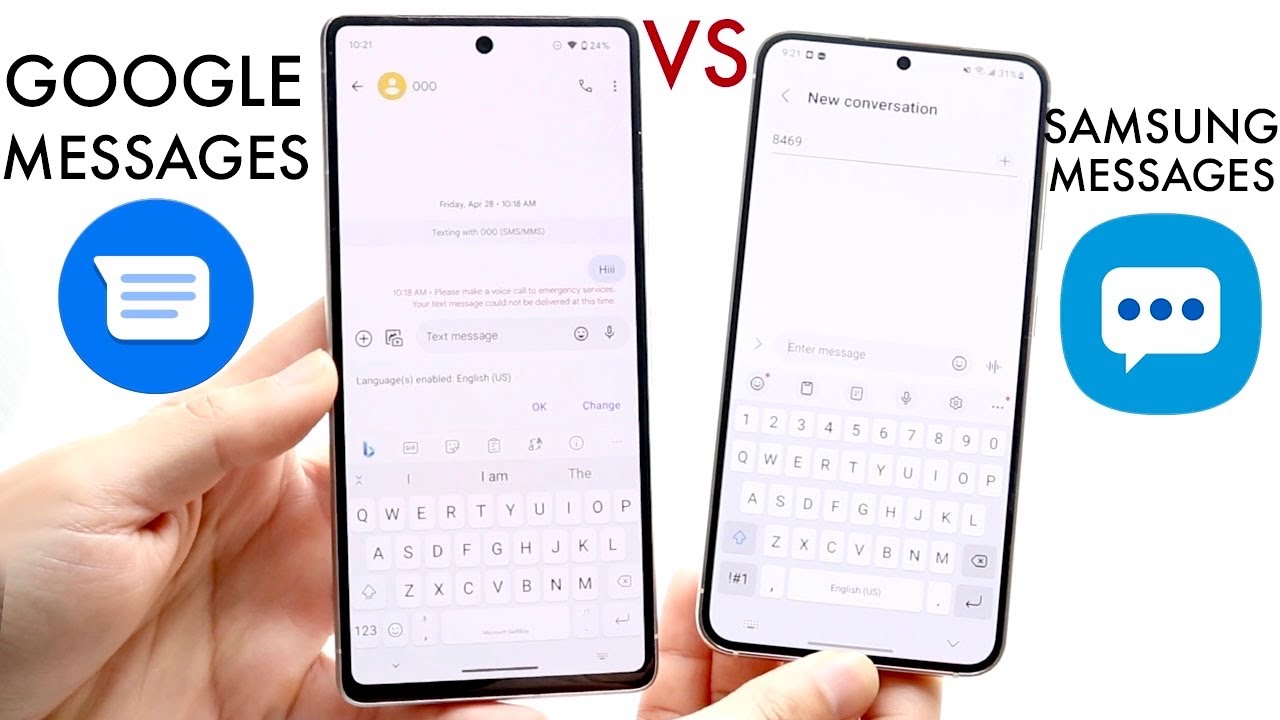
Google Messages vs Samsung Messages
Google Messages vs Samsung Messages
📱 Have you ever wondered which messaging app, **Google Messages** or **Samsung Messages**, offers a better experience for users? Both applications come pre-installed on devices, but they provide distinct features that cater to various preferences. Understanding these differences can enhance your texting experience. Let’s dive in!
Features Comparison
Both Google Messages and Samsung Messages offer a range of features, from basic messaging to more advanced functionalities. However, there are some notable differences that set them apart.
User Interface and Ease of Use
When it comes to the user interface, **Google Messages** emphasizes simplicity and functionality. The clean design makes it easy to navigate, even for those unfamiliar with advanced messaging apps. On the other hand, **Samsung Messages** offers a more feature-rich experience, which might seem overwhelming for some users.
Messaging Features
Google Messages shines through features like:

- Rich Communication Services (RCS) support for enhanced functionalities.
- Easy integration with Google Assistant for sending messages by voice.
- Built-in spam protection which helps keep your chats clutter-free.
In contrast, Samsung Messages also offers some unique features:
- Extensive customization options for themes and colors.
- Support for Samsung-specific features like Smart Replies.
Multimedia Messaging
Both applications allow sending photos, videos, and audio messages. Yet, Google Messages provides a smoother experience when sharing large media files, thanks to its better integration with the cloud. Samsung Messages, however, excels in its ability to combine multimedia with multiple message formats, creating a rich texting experience.
Integration with Other Apps
One notable aspect where Google Messages vs Samsung Messages can be assessed is their integration with other tools. Google Messages easily connects with various Google services like Google Photos and Google Drive, enhancing your multimedia sharing capabilities.
Complementary Tools for Enhanced Messaging Experience
Using complementary tools alongside Google Messages or Samsung Messages can significantly enhance your overall communication experience. Here are several useful tools to consider:
- Google Drive – For easy backups of your messages and media.
- Textra SMS – A powerful replacement with more customization options.
- Gboard – Google’s keyboard, optimizing your typing experience.
- WhatsApp – For secure instant messaging alongside SMS.
- Google Assistant – Leverage voice commands to send texts hands-free.
- Facebook Messenger – Seamlessly connect with social media contacts.
- IFTTT – Automate your messaging tasks for specific triggers.
Breakdown of Complementary Tools
Google Drive for Message Backups
- Provides secure backup solutions for your texts and media.
- Ensures that you never lose important conversations.
- Easy restoration of messages during device transfers.
- Access messages from any device via your Google account.
Textra SMS for Customization
- Extensive customization options including themes and bubble styles.
- Quick reply features for more efficient texting.
- Supports both SMS and MMS sending, giving flexibility in communications.
- Option to schedule SMS, enhancing your messaging strategy.
Performance and Stability
In terms of performance, Google Messages is renowned for its speed and stability, as it receives regular updates from Google. Samsung Messages, while generally reliable, may occasionally exhibit lag, especially on older devices. This performance aspect can be a deciding factor when choosing your default messaging app.
Security Features
Security is crucial in messaging applications. Google Messages employs industry-standard encryption methods for text messages, offering users peace of mind. Samsung Messages also provides encryption but may not be as transparent about its security measures. This distinction is essential when evaluating which application to use for sensitive conversations.
Offline Functionality
Both apps function well without an internet connection, allowing you to send and receive texts using cellular data. However, Google Messages excels by providing features that automatically sync messages once you’re back online, ensuring your conversations are always up-to-date.
Final Score: User Preferences
The choice between Google Messages and Samsung Messages often boils down to personal preference. Many users appreciate Google Messages for its clean design and smoother performance, while others prefer Samsung Messages for its customization options. The best way to identify what works for you is to try both applications and see which aligns with your messaging needs.
Conclusion
In the battle of **Google Messages vs Samsung Messages**, both have their strengths and weaknesses. For a streamlined, efficient messaging experience, Google Messages shines through with its integration and ease of use. However, if customization and Samsung-specific features are what you seek, Samsung Messages gives a more tailored experience. Whatever your choice, understanding how both platforms work can help maximize your communication strategies.
To learn more, explore [Google Messages](https://messages.google.com/) and [Samsung Messages](https://www.samsung.com/global/galaxy/apps/messages/) today!
Overview of Google Messages
Google Messages, widely recognized as one of the leading messaging applications, offers a rich array of features that enhance the user experience. 🌟 It enables users to send text messages, images, videos, and audio messages seamlessly and is optimized for both SMS and RCS (Rich Communication Services). With Google Messages, you can engage in one-on-one conversations and participate in group chats, making it a versatile tool for communication.
Key Features of Google Messages
- Rich Communication Services (RCS): This feature enhances basic SMS functionality, allowing for read receipts, typing indicators, and larger media file sharing.
- Search Functionality: Easily find past messages or media by using the built-in search feature, making it convenient to locate important conversations.
- Message Organization: Users can categorize messages by priority, helping streamline communication with friends, family, or colleagues.
- Integration with Google Services: Seamlessly share Google Drive files or use Google Assistant within the app to enhance messaging capabilities.
Overview of Samsung Messages
Samsung Messages stands out as the default messaging application for Samsung devices. It provides a reliable alternative for users who prefer Samsung’s ecosystem and offers solid performance for the average user. With the app, customers can also enjoy standard SMS/MMS features, alongside several additional capabilities tailored for Samsung users.
Key Features of Samsung Messages
- Integration with Samsung Ecosystem: Exclusive features, such as Smart Reply and Bixby integration, take advantage of Samsung’s ecosystem, providing a seamless user experience.
- Group Messaging Support: Allows users to create group chats, making it easy to communicate with multiple contacts simultaneously.
- Customizable Themes and Messages: Users can personalize the app’s interface with different themes, ringtones, and chat backgrounds.
- Samsung Cloud Backup: Automatically back up messages to the Samsung Cloud, ensuring that crucial information is never lost.
Comparative Analysis: Google Messages vs. Samsung Messages
When considering Google Messages vs Samsung Messages, it’s essential to examine several critical aspects that differentiate these two applications. Below is a strategic comparison focusing on usability, features, and overall performance.
Ease of Use
In terms of user interface, both applications have intuitive designs, but Google Messages leans towards simplicity and ease of navigation. Users often find it easier to access features without sifting through numerous menus. Conversely, Samsung Messages may come with additional options that can be overwhelming for new users. Thus, for anyone prioritizing straightforwardness, Google Messages may be the better choice.
Key Features Comparison
While both applications share standard SMS capabilities, Google Messages includes enhanced RCS functionalities, allowing for a richer messaging experience. For instance, RCS allows users to send larger files without compression, unlike basic SMS limitations. In contrast, Samsung Messages has some unique features that cater specifically to its devices, such as the integration of Bixby.
Storage and Backup Options
Google Messages benefits from automatic backups in your Google account, ensuring that even in the event of device loss or damage, messages can be recovered seamlessly. Samsung Messages, primarily using the Samsung Cloud, can provide similar functionality; however, some users find Google’s backup process more user-friendly, especially for those who regularly switch between devices. This aspect is crucial when choosing between Google Messages vs. Samsung Messages.
Complementary Tools to Enhance Google Messages vs Samsung Messages
To maximize your messaging experience, consider utilizing complementary tools alongside Google Messages vs Samsung Messages. The right tools can enhance functionality, streamline communication, and improve organization. Here are some strategic ideas:
1. Google Drive
By utilizing Google Drive, users can effortlessly share larger files or photos via Google Messages, bypassing traditional SMS limits.
2. WhatsApp
Unlike Google Messages vs Samsung Messages, WhatsApp offers end-to-end encryption and additional communication tools, making it a secure option for confidential conversations. By pairing these two, you can switch easily between secure and standard messaging.
- Enhanced security for private chats.
- Group calling features to connect multiple people at once.
- Ability to send documents and media securely.
- Rich media integration, such as stickers and GIFs.
3. Google Assistant
Integrating Google Assistant can offer hands-free messaging options, allowing voice-activated commands for sending texts through either Google Messages or Samsung Messages.
4. IFTTT (If This Then That)
Using IFTTT can enhance automation. Create applets that connect Google Messages or Samsung Messages with different services for smarter notifications.
5. Samsung DeX
With Samsung DeX, users can extend their messaging experience to a desktop environment, allowing for more comfortable typing and screen sharing capabilities.
6. Android Auto
Using Android Auto allows safe messaging while driving, ensuring that you can respond via Google Messages or Samsung Messages without taking your hands off the wheel.
7. Notion
For those who want to organize conversations, using Notion can help in tracking key messages or setting reminders for follow-ups when used in conjunction with your messaging app.
8. Slack
Combining Slack with your messaging apps can enhance teamwork. By sending direct messages from Google Messages and keeping group discussions organized through Slack, your workflow will improve tremendously.
- Streamlined team communication in a centralized platform.
- Access to file sharing for collaborative projects.
- Real-time notifications keep you updated on conversations.
- Integrate third-party tools for enhanced productivity.
9. Telegram
Telegram offers cloud-based messaging. Using it with either Google Messages or Samsung Messages can provide additional privacy features and multi-device accessibility, allowing smoother communication.
10. Evernote
Evernote allows users to jot down ideas from conversations in Google Messages or Samsung Messages. It’s an effective tool for capturing essential information and reminders quickly.
Audience Segmentation with Messaging Apps
Understanding how audience segmentation impacts messaging can significantly enhance your engagement. By adapting your communications via Google Messages vs Samsung Messages tailored for different audience segments, you can provide a more personalized experience. This promotes more effective communication and increases satisfaction, resulting in improved interactions overall.
Conclusion
In the ongoing debate of Google Messages vs Samsung Messages, both applications provide unique advantages suited for different users. Google Messages shines with its integration of RCS, user-friendliness, and seamless integration with the broader Google ecosystem. On the other hand, Samsung Messages excels in its customization options and integration within Samsung’s own suite of devices.
Ultimately, the decision between these two messaging platforms depends on user preference, device compatibility, and desired features. Regardless of choice, combining these messaging apps with the right complementary tools can optimize your communication experience and enhance overall productivity.
Overview of Google Messages
Google Messages has emerged as a leading messaging platform for Android users, providing a seamless communication experience powered by Google’s advanced technology. One major advantage is its integration with the RCS (Rich Communication Services) protocol, which elevates traditional SMS capabilities by enabling features like group chats, read receipts, and high-resolution image sharing. 🌟
This platform is designed with user-friendliness in mind, allowing for easy navigation and management of conversations. With a clean, simple interface, Google Messages makes it easy for users to find what they need, whether it’s a text, image, or video. Furthermore, the app is continually updated with new features, enhancing its functionality and security.
Overview of Samsung Messages
Samsung Messages is a robust messaging application exclusive to Samsung devices. While it connects seamlessly with Samsung’s ecosystem, it also supports standard SMS and MMS functionalities. Samsung Messages is known for its attractive interface and integration with Samsung-specific features, such as SmartThings and Bixby. 💬
One of the standout aspects of Samsung Messages is its easy synchronization across devices, allowing users to access their messages from various platforms, such as tablets and smartwatches. Additionally, Samsung Messages supports various multimedia formats, ensuring that users can send photos, videos, and audio messages without hassle.
Key Comparisons Between Google Messages and Samsung Messages
When comparing Google Messages vs Samsung Messages, several key aspects come to light, highlighting the strengths and weaknesses of each platform.
User Interface and Experience
Google Messages features a minimalist, intuitive layout that appeals to a wide range of users. Users can manage conversations easily, switch between SMS and RCS seamlessly, and even search for texts with ease. In contrast, Samsung Messages offers a more colorful interface, packed with additional themes and personalization options, but it may feel overwhelming for users who prefer simplicity.
Features and Functionalities
**Google Messages** boasts a rich set of features thanks to its RCS support. These include:
- Enhanced group messaging capabilities
- Read receipts and typing indicators
- Integration with Google Assistant for sending messages hands-free
- Smart reply options based on message content
**Samsung Messages**, while reliable, focuses on media sharing and connectivity with Samsung appliances. Notable features include:
- Rich Multimedia Messaging (MMS) support
- Customizable messaging backgrounds and themes
- Gesture controls for quick emoji and GIF access
- Linking with Samsung SmartThings for IoT interactions
Integration with Other Services
When looking at the integration capabilities between Google Messages vs Samsung Messages, each offers unique connections to other services:
- Google Messages: Integrates well with Google services like Photos for easy image sharing. You can enhance your messaging experience further by using apps like Google Drive for quick file sharing.
- Samsung Messages: Works seamlessly with Samsung services, allowing users to connect with SmartThings quickly. Users can send commands to smart devices directly from the messaging platform.
Complementary Tools to Enhance Your Experience
Using complementary tools alongside Google Messages vs Samsung Messages can significantly enhance users’ messaging experiences. Here are some effective tools to consider:
1. Google Drive
By using Google Drive in conjunction with Google Messages, users can share large files and maintain high-quality images without compression.
2. WhatsApp
Integrating WhatsApp adds instant messaging capabilities and end-to-end encryption, ensuring your conversations remain private. WhatsApp strengthens communication especially when connecting with users who prefer it over SMS.
- Private chats with robust encryption
- Voice and video call functionalities
- Group chats with up to 256 participants
- Sharing live location for better coordination
3. Slack
For professional communications, using Slack alongside Google Messages allows for clear and organized business discussions, significantly boosting productivity.
4. Telegram
Similar to Google Messages, Telegram supports group chats but brings additional features like channels, bots, and enhanced file sharing. It keeps personal and group discussions completely separate from traditional SMS platforms.
5. Microsoft OneNote
This application can be a great companion for Google Messages users. By maintaining notes of important conversations and sharing snippets through messaging, users can remain organized and efficient.
6. Google Assistant
Utilizing Google Assistant with Google Messages can streamline the process of sending messages, setting reminders, or even searching for past conversations through voice commands.
7. Zoom
For those needing to transition from texting to video calls, integrating Zoom provides a coherent flow from chats to virtual meetings, making communication more dynamic.
8. IFTTT (If This Then That)
Another valuable tool, IFTTT, allows users to automate tasks between different applications. It can be used alongside Google Messages for triggers such as sending auto-responses or notifications.
- Establish workflows to save time on repetitive tasks
- Connect Google Messages with other applications for seamless metrics management
- Send alerts based on criteria, like important emails
- Automate reminders for timely engagements
9. Giphy
For personality-filled conversations, integrating Giphy allows users to share GIFs easily through both messaging platforms, enhancing the engagement of conversations.
10. Spotify
Share your favorite playlists with friends directly through messages. This turns each chat into a fun social interaction, allowing others to explore your music taste. The integration brings entertainment into your conversations.
Conclusion: Making the Right Choice for You
Choosing between Google Messages vs Samsung Messages ultimately depends on your device, preferences, and the features most important to you. If you prioritize a clean interface and RCS capabilities, Google Messages may be the better option. However, if you’re deeply integrated into the Samsung ecosystem and appreciate media-focused functionalities, Samsung Messages could shine brighter. The complementary tools outlined enhance these apps, creating a versatile and dynamic messaging experience tailored to your needs. What you’ll discover next might surprise you about how these applications can drastically improve your communication style!
Google Messages vs Samsung Messages: A Comprehensive Guide
🌟 Are you torn between Google Messages and Samsung Messages? You’re not alone! Choosing the right messaging application can significantly enhance your communication experience. This article delves into the strengths and weaknesses of both platforms, ensuring you make an informed decision.
User Experience Comparison
Both Google Messages and Samsung Messages are popular messaging applications that cater to different user preferences and device capabilities. Let’s compare their user interfaces, functionalities, and overall user experiences.
Design and Interface
Google Messages boasts a clean, modern interface that emphasizes ease of use. Icons are intuitive, allowing users to navigate swiftly through their conversations. In contrast, Samsung Messages integrates Samsung’s signature design aesthetic, offering a more customized interface but potentially overwhelming new users with its options and features.
Accessibility and Setup
Setting up both applications is easy. Google Messages is primarily built for Android users, while Samsung Messages is optimized for Samsung devices. However, Google Messages is available on various Android smartphones, making it a versatile option. Additionally, if you ever switch to a Samsung device, you can easily access your messages with Samsung’s seamless data transfer capabilities.
Key Features Comparison
When it comes to features, both apps offer a range of functionalities. However, the integration and quality of these features differ. Below is a side-by-side comparison of their primary features.
Rich Communication Services (RCS)
Both Google Messages and Samsung Messages support Rich Communication Services (RCS). This feature enhances traditional SMS functionalities, allowing users to send high-resolution images, videos, and read receipts. However, Google Messages generally has broader adoption among carriers, leading to a more seamless experience.
Media Sharing
With Google Messages, sharing media is straightforward, and you can easily send images, GIFs, and stickers. Samsung Messages also supports media sharing, but the integration of additional features such as Bixby integration might complicate the user experience.
Performance and Reliability
Performance plays a crucial role in user satisfaction. Google Messages tends to have faster text delivery and is often updated to fix bugs, ensuring consistent performance. Samsung Messages, while reliable, may lead to slower messaging on older devices due to additional bloatware associated with the Samsung ecosystem.
Notifications
Google Messages has an effective notification system, allowing users to customize alerts for new messages. Samsung Messages also offers this, but doesn’t always provide the same level of customization, which can frustrate users looking for specific notification types.
Complementary Tools to Enhance Your Experience
While using either Google Messages or Samsung Messages, pairing them with complementary tools can maximize their functionalities. Here are some suggestions on how to do so:
- Trello: Use Trello to organize your communication and tasks. By linking to Google Messages, you can manage teamwork efficiently.
- Evernote: Record important conversations or ideas shared via Samsung Messages by saving them in Evernote for future reference.
- Google Drive: Easily share files through Google Messages directly from your Google Drive, improving collaboration.
- Slack: Integrate your messages for work discussions seamlessly. Google Messages and Slack can work hand-in-hand to help with work-related communications.
- IFTTT: Create “if this then that” automations to streamline your messaging experience across both platforms.
- Todoist: Link your Samsung Messages to Todoist to turn messages into actionable tasks instantly!
- Google Calendar: Set reminders based on conversations in Google Messages, enhancing time management.
- Zapier: Utilize Zapier to automate workflows between Google Messages and other applications ({different wait time or triggers}) like sending a message when an event is created.
- Dropbox: Enhance file-sharing capabilities through Google Messages by linking Dropbox for quick access to shared files.
- Zoom: Use Zoom to initiate meetings from your Samsung Messages seamlessly, enhancing remote collaboration.
Evernote Details
- Note-taking: Jot down important points from conversations or plans discussed in Samsung Messages.
- Organization: Create notebooks to categorize different topics or threads from Google Messages.
- Accessibility: Access your notes across all devices, keeping your information synced and convenient.
- Integration: Directly share notes from Evernote within Google Messages for easy collaboration.
Zapier Benefits
- Automation: Automatically forward important messages from Google Messages to other platforms.
- CRM integration: Send messages to your favorite CRM tools without switching apps.
- Efficiency: Save time by automating repetitive tasks related to SMS communications.
- Customization: Tailor Zaps to your specific needs, enhancing your messaging workflow.
Security Features
Security is paramount in today’s digital landscape. Both Google Messages and Samsung Messages take user privacy seriously but implement different strategies to ensure security.
End-to-End Encryption
Google Messages supports end-to-end encryption for RCS messages, ensuring that only you and the recipient can read the messages. On the other hand, Samsung Messages has evolving security protocols, though its encryption practices can vary based on the carrier and device.
Spam Protection
Google Messages features built-in spam protection that filters out unwanted messages. Samsung Messages also has this capability but may not be as effective across all devices, particularly older models.
Concluding Thoughts
Whether you choose Google Messages or Samsung Messages depends on your preferences and device compatibility. Google Messages is more versatile, while Samsung Messages offers a tailored experience for Samsung users. Both applications have unique features that make them stand out, enhancing communication speed and efficiency.
But that’s not all! As you navigate through your messaging choices, consider integrating complementary tools to make the most out of your Google Messages or Samsung Messages experience. Happy messaging! 📨
Further Resources
- Google Messages Overview
- Samsung Messages Support
- Get Evernote for note-taking
- Discover Zapier for automation
- Explore Trello for organization
Compatibility and Integration
Google Messages vs Samsung Messages: A Comprehensive Comparison
In an age where instant communication is crucial, understanding the features of different messaging applications is essential. 📱 Users often find themselves choosing between popular apps like Google Messages and Samsung Messages. But how do these services stack up against each other? Let’s delve deep into the comparisons between Google Messages vs Samsung Messages and explore the benefits each offers.
Key Features of Google Messages
Google Messages has gained popularity due to its clean design and seamless integration with the Android system. Here are some standout features:
- Rich Communication Services (RCS): Google Messages provides advanced messaging features such as read receipts, typing indicators, and high-resolution image sharing.
- Web Access: Users can access their messages through a web interface, allowing for easier communication while on a desktop.
- Smart Reply: This AI-driven feature suggests quick responses based on the context of your conversation, making replies faster and easier.
- Integrated Search: The app allows users to search through messages effectively, helping them locate important information quickly.
Key Features of Samsung Messages
Samsung Messages provides a robust user experience particularly tailored for Samsung devices. Here’s what sets it apart:
- Device Optimization: The app is optimized for Samsung hardware and software, ensuring better performance and faster loading times.
- Gallery Integration: Samsung Messages allows for easy sharing of images and videos from your gallery, giving you quick access to your media.
- Customizable Themes: Users can personalize their messaging experience by customizing themes, colors, and fonts.
- Group Messaging: The app supports robust group chat features, enabling seamless communication with multiple contacts.
Comparative Analysis: Google Messages vs Samsung Messages
When comparing Google Messages vs Samsung Messages, it’s crucial to consider various factors: usability, features, and performance.
Usability
Both applications are user-friendly, but Google Messages has a slight edge with its intuitive interface. Users report finding the straightforward layout and navigational flow of Google Messages more appealing. Unlike Samsung Messages, Google Messages is designed to be universally accessible across different Android devices, ensuring a consistent experience regardless of where you use it.
Features
While Samsung Messages excels in device optimization, Google Messages leverages RCS technology to enhance the messaging experience with real-time features. Compared to Samsung Messages, Google Messages regularly updates its features across more devices. Therefore, users who prioritize advanced messaging may prefer Google Messages over Samsung Messages.
Performance
Performance-wise, Samsung Messages might better utilize Samsung’s hardware capabilities. Users with Samsung devices often experience smoother operation. However, for cross-device functionality and consistent performance, Google Messages outperforms, as it caters to a broader audience and multiple Android environments.
Complementary Tools to Enhance Messaging Experience
To make the most out of your messaging experience with Google Messages vs Samsung Messages, consider using complementary tools and services. Here are 10 ideas that can enhance your messaging strategy:
- Google Assistant: Integrating Google Assistant streamlines your messaging process. You can send messages, set reminders, and even access schedules using voice commands.
- Cloud Storage (Google Drive): Easily back up your messages and media files with Google Drive. This ensures you never lose important conversations.
- Third-Party Keyboard Apps: Enhance typing efficiency on both platforms by using keyboards like Gboard or SwiftKey, which include predictive text and emoji suggestions.
- Task Management Tools: Tools like Todoist can be linked to your messages for quick task creation based on conversations.
- Photo Editing Apps: Use apps like Snapseed for quick edits before sending images, which adds professional quality to your shared media.
- VPN Services: Using a VPN can secure your messages while you’re connected to public Wi-Fi, ensuring privacy in your communication.
- SMS Backup & Restore: This app allows you to back up your conversations, ensuring you never lose important text exchanges.
- IFTTT (If This Then That): Automate your workflows between Google Messages and other platforms for enhanced productivity. For example, set automatic replies based on your Google Calendar availability.
- Email Synchronization: Linking your emails with messaging can improve communication efficiency, especially for work-related discussions.
- WhatsApp:** While it’s a direct competitor, using WhatsApp alongside Google Messages can ensure you reach contacts regardless of the app they prefer.
Breakdown of Ideas 2 and 8
Cloud Storage (Google Drive)
- Backup Conversations: Secure your messages by saving them to Google Drive, providing peace of mind regarding data loss.
- Easy Access: Access photos and videos shared in your conversations through Drive, allowing for seamless viewing during chats.
- Enhanced Storage Capacity: Unlimited storage for photos at reduced quality ensures you can back up all your media without fear of running out of space.
- Collaboration:** Collaborate on documents or files directly within chats, increasing productivity during discussions.
IFTTT (If This Then That)
- Automated Responses: Set up automated replies during busy hours to maintain communication flow.
- Integration with Calendar: Automatically notify contacts when you are busy based on calendar entries.
- Social Media Links: Share updates from conversations to your social media directly, increasing connectivity.
- Trigger Actions: Use certain keywords to trigger specific actions in other applications, enhancing responsiveness.
Security Considerations
When utilizing messaging apps, security is paramount. Both Google Messages and Samsung Messages offer encryption features, but users should ensure they are aware of privacy settings. Google Messages uses RCS, which provides an additional layer of security for data in transit. Ensure that you are keeping your app updated to protect against vulnerabilities.
User Experience Enhancements
User experience can greatly influence your choice between Google Messages vs Samsung Messages. Regular updates and feedback loops from tech companies allow for continuous improvement. Utilize options like themes in Samsung Messages for personalization. In contrast, Google Messages’ minimalist design appeals to users looking for a straightforward interface. Moreover, using emojis 🤩 can enhance engagement in conversations, making your peers feel more connected.
Conclusion: Why Choose Google Messages or Samsung Messages?
Ultimately, your choice between Google Messages vs Samsung Messages may stem from your specific needs. If prioritizing advanced communication features is essential, Google Messages offers flexibility and a forward-thinking approach. Alternatively, if you are a Samsung device user who values optimization and personalization, Samsung Messages is a strong contender. Regardless of your preference, using complementary tools will significantly enhance your messaging capabilities and ensure a richer communication experience.
For more information on Google Messages, visit their official page here.
To understand more about Samsung Messages, check out their details here.
