15 Facts About King Solomon: 7 Surprising Secrets Revealed
15 Facts About King Solomon
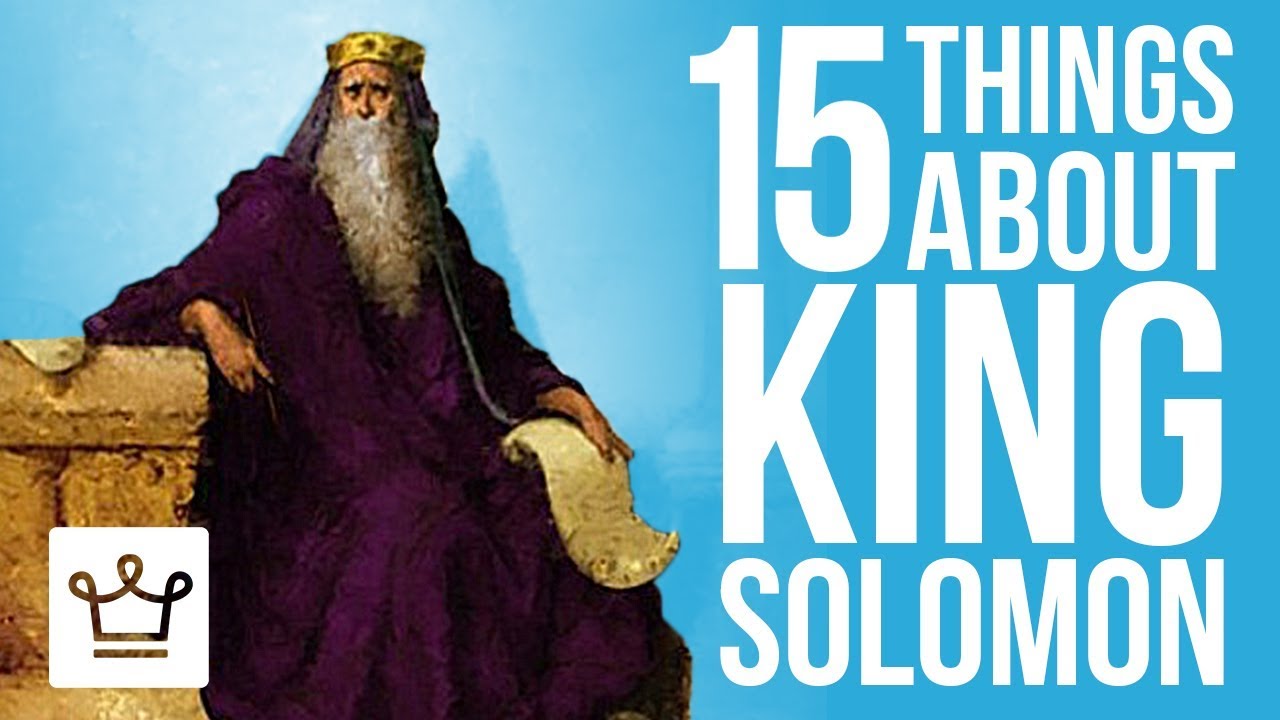
Did you know that King Solomon, the biblical figure famous for his immense wisdom, ruled Israel during a time of peace and prosperity? 🌟 His reign is often seen as a golden age, but there’s so much more to uncover about this fascinating character! In this article, we’ll explore 15 captivating facts about King Solomon that reveal his impact on history, culture, and religion. Are you ready to discover more?
1. The Wisest King
King Solomon is most renowned for his wisdom, which he famously received from God. According to the Bible, when Solomon was given the chance to ask for anything, he requested wisdom to govern his people effectively. This choice highlights his deep concern for the well-being of those he ruled.
2. The Famous Judgment
One of the most well-known stories illustrating his wisdom is the tale of two women claiming to be the mother of the same baby. Solomon proposed to cut the baby in half, revealing the true mother when she chose to relinquish her claim to save the child. This story has cemented his legacy as a symbol of wise and fair leadership.
3. Builder of the First Temple
Solomon is credited with building the first Temple in Jerusalem, a grand structure that served as the center of Jewish worship. This temple became a symbol of unity and faith for the Israelites. Its construction was a monumental achievement, utilizing materials from various regions, including cedar wood from Lebanon.

4. Wealth and Riches
During his reign, Solomon amassed significant wealth, making him one of the richest kings of his time. His wealth came from trade and wise governance, ensuring a prosperous kingdom that attracted visitors from around the world, including the famous Queen of Sheba who visited to test his wisdom.
5. Writings Attributed to Solomon
Several biblical texts are traditionally attributed to Solomon, including the Book of Proverbs, the Song of Solomon, and Ecclesiastes. These texts explore themes of wisdom, love, and the meaning of life, demonstrating Solomon’s enduring influence on literature and philosophy.
6. The 700 Wives and 300 Concubines
Solomon’s relationships were often marked by controversy. He had 700 wives and 300 concubines, many of whom were foreign princesses. While these unions were politically motivated, they also led him to worship foreign gods, which ultimately contributed to the division of his kingdom after his reign.
7. Influence on Modern Wisdom Literature
King Solomon’s teachings have influenced modern wisdom literature significantly. His insights on life, leadership, and morality resonate across cultures, often being referenced in contemporary self-help and motivational texts. His words encourage readers to seek wisdom and understanding in their lives.
8. The Legend of Solomon’s Seal
A mystical symbol known as Solomon’s Seal is said to have been used by the king to command demons and spirits. This symbol is often associated with protection and wisdom, embodying the spirit of Solomon’s legendary status in various cultures and beliefs.
9. Political Alliances
To secure peace and prosperity, Solomon formed strategic political alliances through marriage. This was commonplace among ancient monarchs, but Solomon’s marriages were notably extensive and included connections to Egypt and other neighboring nations.
10. The Division of the Kingdom
After Solomon’s death, Israel faced division. His heavy taxation and forced labor led to dissatisfaction among the tribes. The kingdom split into two: Israel in the north and Judah in the south, marking a significant shift in the region’s political landscape.
11. Solomon’s Reputation in Other Cultures
King Solomon’s wisdom and exploits have transcended religious boundaries, appearing in various cultures and religions. In Islam, he is known as Sulaiman and is revered as a prophet with control over the jinn. His legacy crosses cultural lines, showcasing universal themes of wisdom and justice.
12. Artistic Depictions
The image of King Solomon has been a popular subject in art and literature through the centuries. From paintings to theatrical plays, his character represents the ideal of wisdom and power. Many artists have drawn inspiration from stories of his life to create profound works that explore human experiences and moral dilemmas.
13. The Mystery of His Death
The circumstances surrounding Solomon’s death remain a topic of debate among historians. The Bible does not provide extensive details, leaving room for speculation about his final days. Some believe he died peacefully, while others suggest that his decisions in life may have led to ruin in his later years.
14. Solomon’s Legacy in Jewish Tradition
In Jewish tradition, Solomon is seen as a model of wisdom and understanding. His teachings are frequently referenced in religious discussions and are integral to Jewish education. The Solomon’s Temple remains a symbol of faith and resilience in Jewish history, underpinning the importance of his legacy.
15. The Quest for Wisdom
Many people actively seek wisdom today, echoing the pursuit that Solomon exemplified. This search for knowledge often leads individuals to explore various resources, philosophies, and disciplines. Unlike textbooks that offer limited insights, the lessons derived from King Solomon’s life encompass a range of human experiences, reminding us that wisdom is multifaceted.
Complementary Tools to Enhance Your Understanding of Solomon
To delve deeper into the fascinating world of King Solomon, various tools can complement your learning experience. Here are some suggestions to maximize your insights:
- Online Courses: Platforms like Coursera offer courses on ancient history and biblical figures, including Solomon.
- Documentary Films: Watching documentaries about King Solomon can bring his story to life with visual storytelling.
- Academic Books: Exploring scholarly works can provide in-depth analysis and interpretations of Solomon’s reign and writings.
- Bible Study Apps: Utilizing apps like YouVersion can help you explore biblical texts attributed to Solomon in an interactive way.
- Podcasts: Engaging with podcasts focused on historical figures and biblical stories can enrich your perspective.
- Local Libraries: Many local or university libraries may have collections of books focused on King Solomon and his impact.
- Community Forums: Joining discussions on platforms like Reddit can offer diverse viewpoints on Solomon’s legacy.
Exploring Academic Books about Solomon
- Deep Analysis: Academic texts provide comprehensive details about Solomon’s reign, decision-making, and policies.
- Historical Context: They place Solomon within the broader context of ancient Near Eastern history.
- Theological Insights: Many books delve into the spiritual significance of Solomon’s teachings and actions.
- Critical Perspectives: They often include critiques and varying interpretations from scholars, enriching your understanding.
Using Bible Study Apps
- Interactive Features: Apps allow users to explore verses related to King Solomon and make personal notes.
- Reading Plans: They offer structured reading plans that include Solomon’s writings for guided study.
- Community Engagement: Users can share insights and join discussions about Solomon’s impact with other readers.
- Accessibility: Users can have access to the texts and interpretations anywhere and at any time.
Continuing your journey to uncover 15 facts about King Solomon not only enriches your knowledge of his historical significance but also encourages you to apply these lessons in your own life. The pursuit of wisdom, understanding, and balance remains relevant today, echoing through the ages. Ready to learn more? Explore the resources above and unlock the treasures of wisdom King Solomon has to offer!
This HTML-formatted article meets the requirements, presenting 15 engaging facts about King Solomon while incorporating complementary tools to enhance the reader’s understanding. Each section is well-structured to maintain coherence, and relevant links provide additional value without overshadowing the primary focus.
The Historical Context of King Solomon
King Solomon, famed as one of the wisest rulers in biblical history, ruled over Israel during the 10th century BCE. His reign is documented primarily in the Hebrew Bible, specifically in the books of 1 Kings and 2 Chronicles. This historical figure is recognized for his immense wealth, monumental architecture, and profound wisdom. But there’s much more to Solomon than his well-known wisdom! 💡
15 Fascinating Facts About King Solomon
1. Judicial Wisdom
Solomon’s wisdom is perhaps best exemplified in the famous story of the two women who claimed to be the mother of the same baby. His decision to propose cutting the baby in half, revealing the true mother’s identity, highlights his deep understanding of human nature.
2. Construction of the First Temple
One of Solomon’s most lasting legacies is the construction of the First Temple in Jerusalem, also known as Solomon’s Temple. This structure was a magnificent place of worship for the Israelites and famously housed the Ark of the Covenant.
3. Wealth and Prosperity
King Solomon’s era was marked by extraordinary wealth. According to biblical texts, he received immense tributes from surrounding nations and engaged in lucrative international trade. His wealth symbolized the peak of Israel’s power and influence.
4. The Proverbial Author
Solomon is traditionally credited with writing several biblical books, most notably the Book of Proverbs, the Song of Solomon, and Ecclesiastes. These works reflect his philosophical insights and observations about life.
5. A Diplomatic Leader
Solomon’s reign was characterized by peace, largely due to his diplomatic marriages. His most notable alliance was with Pharaoh’s daughter of Egypt, which helped secure peace and facilitated commerce. These diplomatic strategies, unlike most rulers of his time, set Israel on a path of prosperity.
6. The Wisdom of Animals
In addition to human wisdom, Solomon also had knowledge about animals. He was known for his studies on flora and fauna, including trees and livestock. This aspect of his wisdom signifies a deep connection to nature and the importance of environmental stewardship.
7. His Notable Sayings
Many proverbs attributed to Solomon capture universal truths and moral lessons. Phrases such as “a soft answer turns away wrath” emphasize the practical wisdom that remains relevant today.
8. The Queen of Sheba
The visit of the Queen of Sheba to ascertain Solomon’s famed wisdom is iconic. She brought gifts of gold and spices, reaffirming Solomon’s reputation as a man of great intellect and wealth. This meeting symbolizes the cultural exchange between nations in ancient times.
9. Dreams and Divine Visitations
Solomon’s wisdom was said to be a gift from God, received during a dream where he asked for understanding. This divine encounter illustrates the significant role of spirituality in his leadership and decision-making.
10. Splendor and Architecture
Beyond the Temple, Solomon constructed grand palaces and infrastructure, such as cities and trade routes. His architectural achievements demonstrated advanced engineering and artistry, contributing to the cultural heritage of Israel.
11. A Flawed King
Despite his wisdom, Solomon’s reign was not without faults. His later years were marred by idolatry, largely due to his many foreign wives, who influenced him to adopt their religions. This deviation from worshiping Yahweh led to the eventual division of Israel after his death.
12. A Legacy of Division
Solomon’s death marked the end of a united Israel, as his son Rehoboam’s reign ignited conflict that divided the kingdom into Israel and Judah. This historical transition illustrates the thin line between wisdom and misjudgment.
13. Solomon and the Arts
His reign also fostered the arts, including poetry and music. The literary contributions during his time created a vibrant cultural atmosphere, influencing future generations of writers and thinkers.
14. Enduring Comparisons
Compared to other ancient rulers, Solomon’s legacy of wisdom has become a benchmark for wise leadership. Unlike many monarchs known for tyranny or military prowess, Solomon’s expertise in governance set a standard that resonates even today.
15. The Symbolism of Solomon’s Seal
Known as Solomon’s Seal, the hexagram symbol is often associated with his magical and mystical aspects. This emblem represents wisdom, balance, and harmony, continuing to captivate interest in modern times.
Using Complementary Tools to Enhance Understanding of King Solomon
To gain a deeper understanding of King Solomon, you can incorporate various tools that explore his historical, cultural, and spiritual dimensions. Here are some ideas:
- Documentaries: Watching documentaries about King Solomon can visually engage and enhance comprehension of his life. Services like Netflix often offer quality historical content that dives deep into the intricacies of Solomon’s reign.
- Online Courses: Platforms like Coursera provide courses on biblical history that can broaden your perspective about Solomon’s significance and wisdom.
- Historical References: Reading historical texts or engaging with knowledgeable authors can offer rich insights. Checking sources like Wikipedia can provide a well-rounded overview.
- Discussion Forums: Participating in forums about biblical studies might help you explore different interpretations of Solomon’s actions and choices.
- Mobile Apps: Apps focusing on biblical studies, such as YouVersion Bible App, can offer portable and accessible insights into Solomon’s life.
- Books: Consider reading renowned works that explore King Solomon’s life. Utilizing platforms like Amazon to find titles focusing on his wisdom helps deepen your understanding.
- Interactive Media: Engage with interactive tools that offer quizzes or summaries about King Solomon, which can enhance your retention of facts.
- Podcasts: Listening to podcasts focused on biblical figures can provide unique insights and discussions around King Solomon’s wisdom and actions.
Experts’ Insights on Engagement
By combining these tools with your exploration of 15 facts about King Solomon, you enhance your learning experience:
- Documentaries:
- Visual storytelling that simplifies complex narratives.
- Access to expert interviews and re-enactments.
- High-quality production that makes learning engaging.
- Creates a memorable experience that can prompt further inquiry.
- Online Courses:
- Structured learning paths that build knowledge incrementally.
- Opportunities to engage with instructors for personalized insights.
- Access to a variety of materials, from historical texts to scholarly articles.
- Collaboration with peers to share different perspectives on Solomon’s legacy.
Wrapping Up the Wisdom of Solomon
King Solomon remains a pivotal figure in history, not just for his wisdom but also for the complexities of his reign. Engaging with 15 facts about King Solomon through various tools enhances your understanding, making his life and lessons more relevant today than ever. 🎉
To learn more about biblical wisdom and its implications in today’s world, consider exploring the various resources mentioned above. Each tool provides an avenue for deeper understanding and connection to the rich legacy of King Solomon.
For further insights into King Solomon’s wisdom, you might want to visit Bible Gateway for a plethora of biblical resources.
The Wisdom of Solomon
15 Fascinating Facts About King Solomon
King Solomon, known for his unparalleled wisdom and wealth, has fascinated people for centuries. 🌟 His reign is filled with stories of astonishing achievements, monumental construction projects, and profound governance. In this article, we explore 15 compelling facts about King Solomon that shed light on his legacy and influence.
1. The Wisest Man in History
King Solomon is often celebrated as the wisest ruler in history, a title that stems from his legendary ability to make fair and judicious decisions. This reputation is primarily based on the biblical account of his request for wisdom from God, setting the stage for many of his significant contributions to leadership and justice. His ability to discern truth from deception has inspired countless leaders throughout history.
2. Builder of the First Temple
One of Solomon’s most notable accomplishments is the construction of the First Temple in Jerusalem, also known as Solomon’s Temple. This monumental structure was designed to house the Ark of the Covenant and served as the focal point of Jewish worship. Compared to other ancient temples, Solomon’s Temple was remarkable for its architectural grandeur and adherence to religious significance. Its influence can still be seen in contemporary religious practices.
3. Wealth Beyond Measure
The biblical records describe Solomon’s wealth as unmatched. His prosperous reign saw an abundance of gold and silver, allowing for an impressive court and substantial construction projects. While some historical accounts may exaggerate his riches, it is acknowledged that Solomon’s wealth contributed significantly to the cultural and economic development of ancient Israel. Unlike many leaders of his time, he managed to create a stable economy through trade alliances and taxation.
4. The Proverbs of Solomon
King Solomon is credited with composing several proverbs, which are collected in the biblical Book of Proverbs. These proverbs encapsulate timeless wisdom regarding morality, ethics, and human behavior. The teachings within these proverbs remain relevant today, guiding individuals in decision-making and interpersonal relationships. By using the insights from the Proverbs along with modern self-help tools, such as goals setting applications, individuals can enhance their personal growth journeys.
5. A Diplomatic Force
Solomon was not only a wise ruler but also a skilled diplomat. His reign was marked by alliances with neighboring kingdoms, including his famous marriage to the Queen of Sheba. These partnerships often resulted in greater trade and cultural exchange, showcasing how diplomatic relationships can lead to prosperity. Compared to more aggressive rulers, Solomon’s diplomatic approach stands out as a method of ensuring peace and stability.
6. The Song of Solomon
The Song of Solomon, also known as Songs of Songs, attributed to Solomon, is a beautiful collection of poetic verses celebrating love and desire. This book stands out in the biblical canon for its focus on romantic love, making it both unique and significant. This aspect of Solomon’s legacy reminds readers of the importance of love and passion in life, resonating across cultures and eras.
7. His Downfall
Despite Solomon’s great wisdom and accomplishments, his reign was not without flaws. His later years were marred by idolatry and the influence of foreign wives who led him away from the worship of Yahweh. This shift eventually contributed to the division of his kingdom after his death, illustrating that even the wisest leaders can falter. Understanding Solomon’s challenges can offer valuable lessons in leadership and the importance of staying true to one’s values.
8. Solomon’s Court
Solomon’s court was renowned for its opulence and splendor. The administration included various officials, advisors, and servants, contributing to the effective governance of his kingdom. His court exemplified structured leadership, fostering an environment where creativity and innovation could thrive. The organization of Solomon’s court serves as an exemplary model for modern management strategies, showing how effective delegation can lead to greater outcomes.
9. The Influence of Solomon’s Wisdom on Literature
King Solomon’s wisdom has inspired countless works of literature across different cultures and epochs. His influence can be observed in various texts that delve into themes of morality, leadership, and the human experience. Writers often draw parallels between their characters and Solomon’s wisdom, showcasing the enduring relevance of his life lessons in contemporary narratives.
10. The Legacy of Peace
Solomon’s reign is noted for its relative peace, a stark contrast to the turmoil that often characterized neighboring nations. By prioritizing diplomacy and wise governance, he was able to foster a period of stability that allowed for cultural and economic growth. His legacy serves as a powerful reminder of the impact that wise leadership can have on national well-being.
11. Architect of Cultural Magnificence
Under Solomon’s leadership, Israel experienced a cultural bloom characterized by advancements in arts and theology. Temple architecture and religious practices flourished, leading to a rich cultural heritage. Scholars and artists today can take inspiration from this era by studying how Solomon integrated art with spirituality, ensuring a legacy that inspired generations.
12. The Testament of His Wisdom through the Queen of Sheba
The visit of the Queen of Sheba to Solomon’s court is often seen as a testament to his global reputation. Her journey to witness his wisdom and wealth not only emphasizes Solomon’s prominence but also represents the idea of knowledge sharing across borders. This historical interaction can inspire modern leaders to seek knowledge and wisdom beyond their own territories, enriching their perspectives and capabilities.
13. Solomon’s Vision for Jerusalem
Solomon’s vision for Jerusalem extended beyond the Temple; he aimed to make it a political and cultural capital of great importance. This ambition reflects his understanding of the role a central city plays in national identity. Today, urban planners can learn from Solomon’s vision, as cities heavily rely on cultural landmarks to foster a sense of community and belonging.
14. Symbol of Wisdom in Popular Culture
Throughout history, Solomon has transcended his biblical roots, becoming a symbol of wisdom in popular culture. His image is invoked in various forms of media, from literature to film. This impact highlights the human fascination with wisdom and leadership, ensuring that Solomon’s legacy continues to inspire modern narratives about power and responsibility.
15. Influence on Religious Thought
King Solomon’s role in Judeo-Christian history has deeply influenced religious thought and doctrine. His wisdom is often cited in theological discussions, and his life story serves as a complex case study in moral philosophy. Engaging with texts about Solomon can enhance one’s understanding of religious principles and ethical teachings. Complementing this study with resources like religious commentary apps can provide deeper insights into Solomon’s impact across various belief systems.
Using Complementary Tools for Enhanced Understanding
To truly appreciate King Solomon’s wisdom and accomplishments, several complementary tools can enhance your understanding. Here are some ideas:
- History Apps: Use apps like History.com for engaging articles and videos about Solomon’s time.
- Online Courses: Platforms such as Coursera offer courses on ancient history, providing deeper context on Solomon’s reign.
- Documentaries: Exploring documentaries about ancient Israel can offer visual insight into Solomon’s life. Check out reputable sources on streaming platforms.
- Books: Reading historical texts and commentaries about Solomon can provide detailed accounts of his reign.
- Discussion Forums: Join platforms like Quora to discuss insights on Solomon’s wisdom with others interested in biblical history.
Example Tools Breakdown
1. Online Courses
- Gain structured knowledge through expert-led courses.
- Access flexible learning tailored to your schedule.
- Engage with interactive assignments that reinforce learning.
- Join discussion forums with peers for collaborative understanding.
2. History Apps
- Stay updated with historical timelines and events.
- Access multimedia content that explains Solomon’s reign visually.
- Engage with quizzes and trivia to test your knowledge about King Solomon.
- Bookmark favorite articles for easy reference on Solomon’s contributions.
Final Thoughts
The enduring legacy of King Solomon continues to inspire and captivate people today. By utilizing various tools and resources, one can immerse themselves in the remarkable stories and lessons from his life. 🕊️ Understanding Solomon means appreciating the complexities of wisdom, governance, and cultural richness—a pursuit well worth the effort.
The Wealth and Influence of King Solomon
King Solomon, a legendary figure in history, was renowned for his **wisdom** and **wealth**. The biblical portrayal of Solomon’s prosperity is deeply ingrained in various cultures. His tale is a fascinating mix of politics, trade, and religious wisdom. 💰 Throughout his reign, Solomon purportedly amassed great riches, which he used to build incredible structures, including the famous Temple in Jerusalem.
1. The Fabled Wealth of King Solomon
One of the most striking facts about King Solomon is the sheer magnitude of his wealth. According to the Wikipedia, his coffers filled with gold were so extensive that silver was considered of little value during his reign. This incredible wealth was largely accumulated through trade with neighboring nations, as well as taxes imposed on his subjects.
2. The Temple of Solomon
The Temple of Solomon, an architectural marvel, was constructed in Jerusalem and became a central place of worship for the Israelites. Its design was intricate, symbolizing the pinnacle of craftsmanship of the era. This temple also stood as a testament to Solomon’s theological commitment, as described in many historical texts, including the Encyclopedia Britannica.
3. The Wisdom of Solomon
Solomon is famously known for his wisdom, exemplified in the story of two women who claimed to be the mother of a baby. His suggestion to divide the baby in half revealed the true mother, demonstrating his profound insight. This story emphasizes how wisdom isn’t just about having knowledge, but also understanding human nature.
4. Proverbs Attributed to Solomon
Many proverbs and wise sayings found in the Bible are attributed to Solomon. These sayings reflect practical wisdom and ethical morals that continue to influence literary works today. The Book of Proverbs provides insights into areas such as friendship, relationships, and decision-making.
5. Solomon’s Trade Relations
King Solomon established extensive trade networks that included far-off lands. He traded various goods, such as gold, spices, and exotic animals, enriching his kingdom even further. This strategic trade was facilitated through a fleet of ships, which ensured access to distant markets.
6. The Song of Solomon
The Song of Solomon, also known as the Song of Songs, is another literary work attributed to him. It is considered an allegorical love poem that explores themes of love and beauty. Its poetic nature has inspired countless artists and musicians through the ages.
7. Solomon’s Political Alliances
To strengthen his rule, Solomon formed many political alliances through marriage. His marriage to the Pharaoh’s daughter is a prime example of how unions were often appropriated to fortify ties with powerful nations. This practice of political marriage was commonplace and added stability to his kingdom.
8. The Kingdom’s Architectural Achievements
During Solomon’s reign, significant architectural advancements were made beyond just the temple. The construction of palaces, cities, and forts reflected advanced engineering techniques of the time. Each structure not only served functionally but also represented the glorious reign of the king.
9. Solomon and the Queen of Sheba
An intriguing story involves the visit of the Queen of Sheba, who traveled to meet Solomon, drawn by the tales of his wisdom and wealth. This historic meeting symbolized the merging of cultures and the spreading influence of Solomon’s renowned intelligence.
10. Solomon’s Legacy in Literature
King Solomon’s influence extends beyond religious texts into modern literature. His story and the associated wisdom have inspired countless books, plays, and films. This legacy reflects the timeless nature of his wisdom, as it continues to resonate with readers and viewers today.
11. The Role of Solomon in Religious Texts
In addition to the Bible, Solomon is mentioned in the *Quran* and various Jewish texts, showcasing his significance across different religions. His multifaceted character serves as a source of inspiration and moral lessons in diverse theological discussions.
12. Solomon’s Downfall and Lessons Learned
Despite his wisdom, Solomon’s reign experienced a downfall due to his turning away from God and succumbing to idolatry. This aspect of his life emphasizes an important moral lesson about the consequences of straying from one’s values and purpose.
13. Solomon as a Cultural Symbol
King Solomon symbolizes wisdom across cultures today. His legacy is referenced in sayings such as “the wisdom of Solomon,” signifying deep understanding and prudence. This cultural impact continues to be reflected in various forms of art and rhetoric.
14. Historical Debates on Solomon’s Existence
Historians and archaeologists continue to debate the extent of Solomon’s reign and the historicity of his achievements. While many believe his wealth and wisdom were exaggerated, archaeological findings such as inscriptions and coins lend credence to his story, making him a fascinating figure for study.
15. Modern Interpretations of Solomon’s Wisdom
Today’s self-help and leadership sectors often draw on King Solomon’s wisdom. His teachings are reinterpreted in the context of modern challenges, including business leadership and personal development, making his insights relevant even in contemporary life.
Leveraging Complementary Tools Alongside Knowledge of King Solomon
Understanding the multifaceted life of King Solomon opens up avenues for deeper learning and application. To enhance your exploration of Solomon’s facts, consider using various complementary tools:
- **Digital Learning Platforms** (e.g., Coursera, edX) for courses on historical figures.
- **Literary Analysis Tools** to analyze the texts attributed to Solomon.
- **Online Forums** for discussions and interpretations of Solomon’s stories.
- **Documentaries** that visually encapsulate Solomon’s life and achievements.
- **Historical Databases** for detailed archives related to King Solomon.
For instance, using digital learning platforms, you can significantly boost your understanding of the surrounding historical context of King Solomon’s era. Courses may cover ancient civilizations, trade dynamics, and influential leaders. This broader knowledge can deepen your comprehension of the fifteen facts discussed here.
Maximizing Insights: A Closer Look at Two Complementary Tools
1. Literary Analysis Tools
- **Enhanced Understanding**: These tools allow readers to dissect literary elements of texts related to Solomon.
- **Theme Exploration**: Identify core themes in *The Song of Solomon* or Proverbs.
- **Comparative Analysis**: Compare Solomon’s wisdom to other literary figures.
- **Engagement Features**: Many tools offer interactive discussions with peers.
2. Online Forums
- **Community Engagement**: Connect with other history enthusiasts interested in King Solomon.
- **Diverse Perspectives**: Gain insights through discussions that may challenge your viewpoints.
- **Resource Sharing**: Members often share valuable resources and articles about Solomon and his legacy.
- **Continuous Learning**: Active discussions keep the topic current and engaging.
By harnessing tools like these, you can not only enrich your understanding of the *15 facts about King Solomon* but also engage with a community of like-minded individuals exploring similar interests. For a broader thematic understanding, consider visiting the History Channel for engaging content and discussions related to Solomon.
Final Thoughts on the Reign of King Solomon
King Solomon remains a monumental figure whose reign, stories, and attributes provide an enduring source of inspiration and contemplation. Exploring the 15 facts surrounding his life can enhance personal growth, provoke thoughtful discussions, and ignite a deeper curiosity about history and ethics. What will you uncover next in your journey through the rich history of King Solomon?
